Finland and Norway Break Western Norm by Directly Phone Putin to Urge End to Ukraine War
· GlobeWire Daily World Desk · Source: www.nbcnews.com
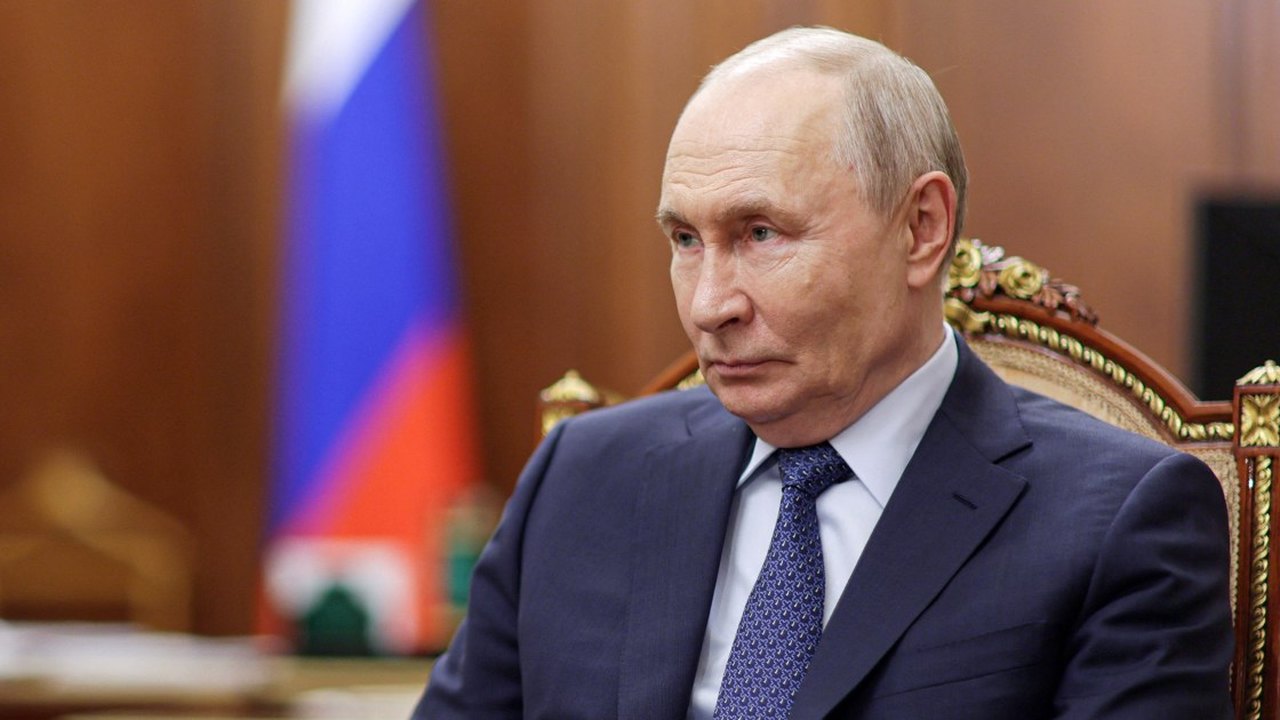
Image: www.nbcnews.com — Creative Commons
Nordic Leaders Reach Out to Moscow
On Tuesday, Finnish President Alexander Stubb and Norwegian Prime Minister Jonas Gahr Støre placed a joint telephone call to Russian President Vladimir Putin. The conversation, described by the leaders as “frank and substantive,” marked a rare departure from the long‑standing Western practice of avoiding direct contact with the Kremlin since Russia’s full‑scale invasion of Ukraine in February 2022.
What Was Said
In a joint statement, Stubb emphasized the geographic proximity of Finland and Norway to Russia and the direct impact of the war on European security: “The outcome of this war will have a direct impact on our and the broader European security. Ending the war requires direct discussions.” Støre added that the conflict carries “enormous human and material costs” and that the call stressed “the importance of de‑escalation.” Both leaders reiterated their “strong support for Ukraine” and said that assistance would continue.
After the call with Putin, the Nordic leaders spoke with Ukrainian President Volodymyr Zelenskyy, according to an aide to the Ukrainian president.
Kremlin’s Readout
The Kremlin released a summary of the discussion that did not indicate any shift in Russia’s position. The statement noted that “achieving a just and long‑term peace is possible only if the legitimate interests of the Russian Federation are fully and unconditionally taken into account.” It also blamed “the confrontational policies of EU and NATO countries” for prolonging the hostilities.
Reactions From Europe
The move was met with criticism from other European leaders. Danish Prime Minister Mette Frederiksen said she saw “no signs that Russia wants peace” and urged Europe to stay united rather than act “solo.” She expressed concern that the Nordic call could undermine a coordinated diplomatic effort.
Stubb and Støre clarified that they were speaking as leaders of their respective countries, not as representatives of the European Union or NATO, and affirmed that their countries would maintain their longstanding support for Ukraine.
Context: Shifts in Western Engagement
The call occurred against a backdrop of shifting U.S. policy. President Donald Trump has recently taken a more conciliatory tone toward Moscow, easing some sanctions and discussing a diesel supply deal with Russia. Trump has also suggested that Ukraine should consider replacing President Zelenskyy, a stance that has strained U.S.–Ukrainian intelligence sharing and satellite communications.
Western European capitals have largely continued to shun direct dialogue with Putin, opting instead for sanctions and diplomatic pressure. The Finnish‑Norwegian outreach therefore stands out as an isolated diplomatic channel.
Practical Implications
- Diplomatic Channels: The call demonstrates that some neighboring states believe direct dialogue may complement broader sanctions‑based strategies. Whether this approach will open additional back‑channel talks remains uncertain.
- Security Calculus: For Finland and Norway, both NATO members sharing borders with Russia, the ability to convey security concerns directly to Moscow could be seen as a risk‑mitigation tool, especially as the war’s spill‑over effects (e.g., refugee flows, energy disruptions) affect the region.
- European Unity: The criticism from Denmark highlights a tension between national initiatives and collective EU/NATO policy. If more EU members pursue similar contacts, it could either fragment or diversify the diplomatic effort.
- Ukrainian Perspective: The subsequent call with President Zelenskyy suggests that Kyiv is being kept informed of these outreach attempts, but the Ukrainian leadership has not publicly indicated any change in its negotiating stance.
What Remains Unknown
- Putin’s Response: The Kremlin’s readout did not reveal any concrete concessions or policy shifts. It is unclear whether the conversation influenced Russian strategic calculations.
- Future Talks: No schedule for follow‑up discussions has been announced, and it is not known whether other NATO or EU members will join similar initiatives.
- Impact on Sanctions: The call has not prompted any immediate changes to the sanctions regime imposed by the EU or the United States.
How to Verify
The full report of the call and related statements can be accessed on NBC News: https://www.nbcnews.com/world/russia/leaders-norway-finland-hold-rare-call-putin-break-previous-european-st-rcna605886. The Kremlin’s official readout and statements from the Finnish and Norwegian governments are also posted on their respective foreign‑affairs websites.
--- This article is based solely on the verified information provided by NBC News and official statements from the parties involved. No additional sources were consulted.
AI-assisted reporting; source claims are attributed and have not been independently verified.
More to read
 UK Pledges £100m for 'World First' AI Biosecurity Lab in Budget Announcement
 Flávio Bolsonaro Arrives in Florida After Fleeing Brazil Following Election Defeat
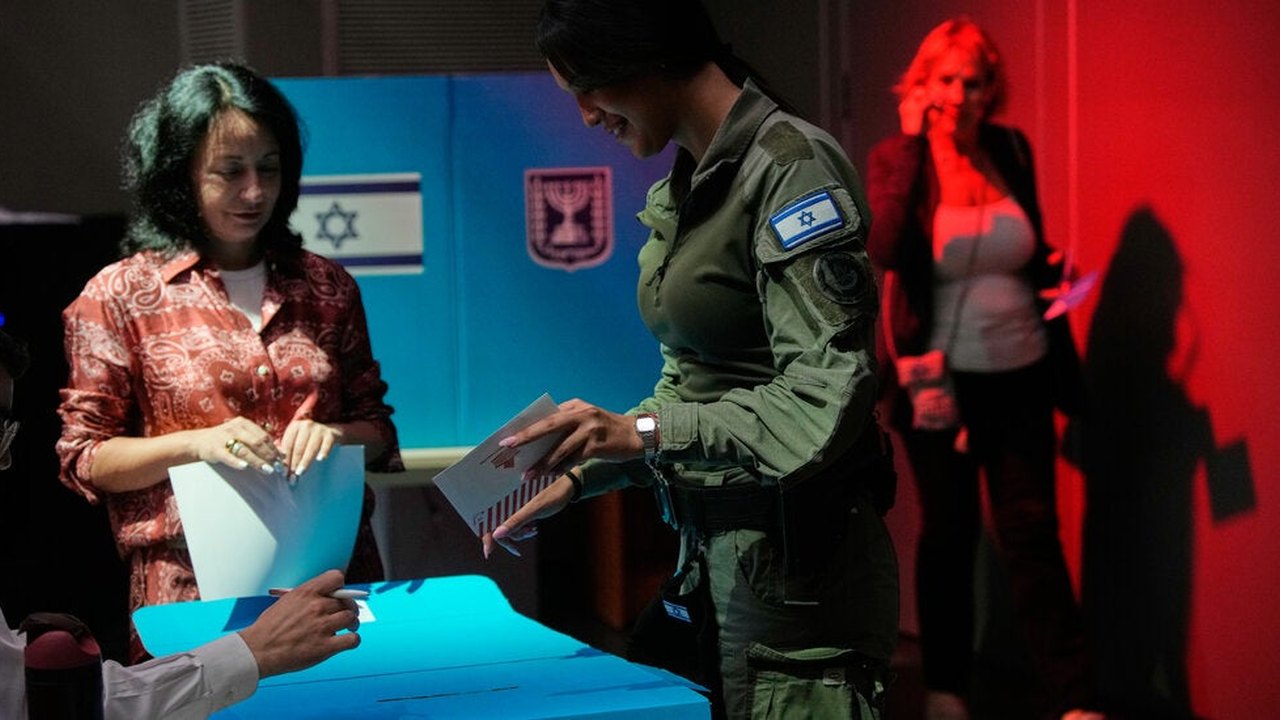 Israel Faces Prolonged Political Stalemate as Election Results Show No Clear Winner
 Dolores Huerta, Civil Rights Champion and Co-Founder of United Farm Workers, Dies at 96
Trending on GlobeWire Daily
Selected from recent coverage and related topics; not live search rankings.
 Paris Jackson Sues Michael Jackson Estate Over Executor Compensation, Seeks Reduction Amid Disclosure Dispute
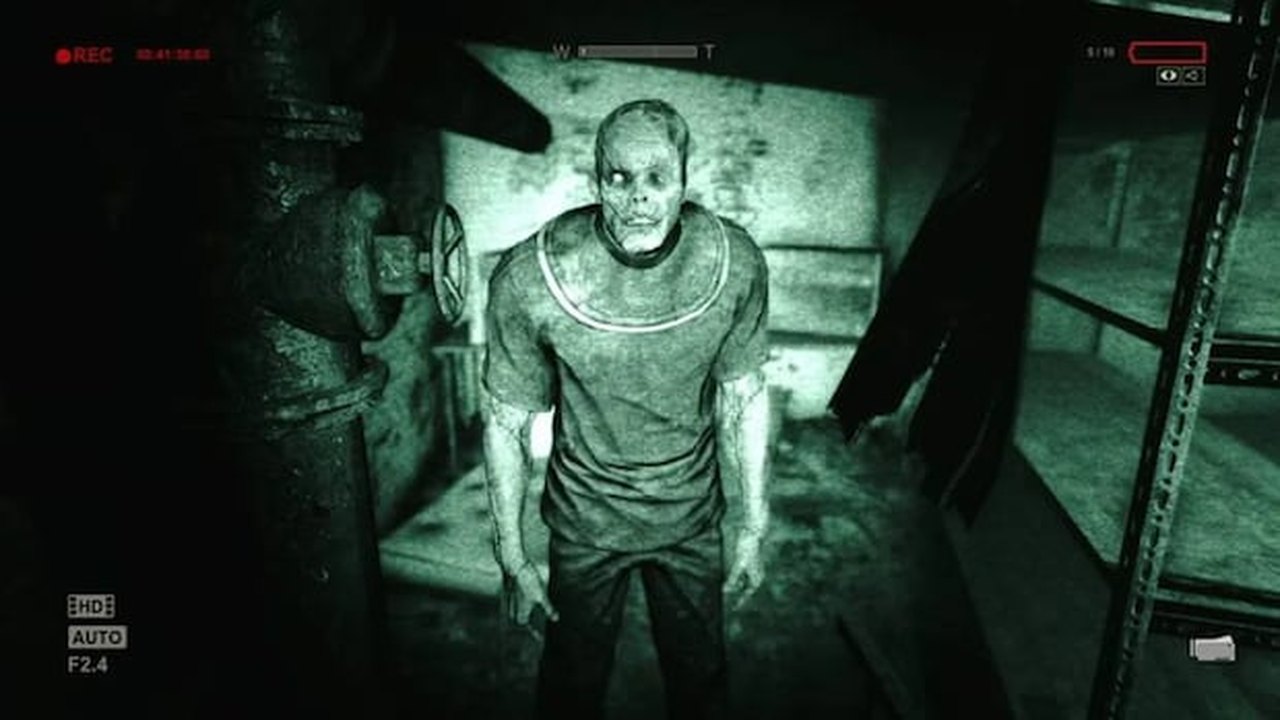 How Independent Montreal Developer Red Barrels Revolutionized Horror Gaming Over 15 Years
 BioWare Studio Closure Marks the End of an Era After More Than 30 Years in Gaming
 OpenAI’s Latest Science Breakthroughs Draw Criticism Over Expert "Gatekeeping"
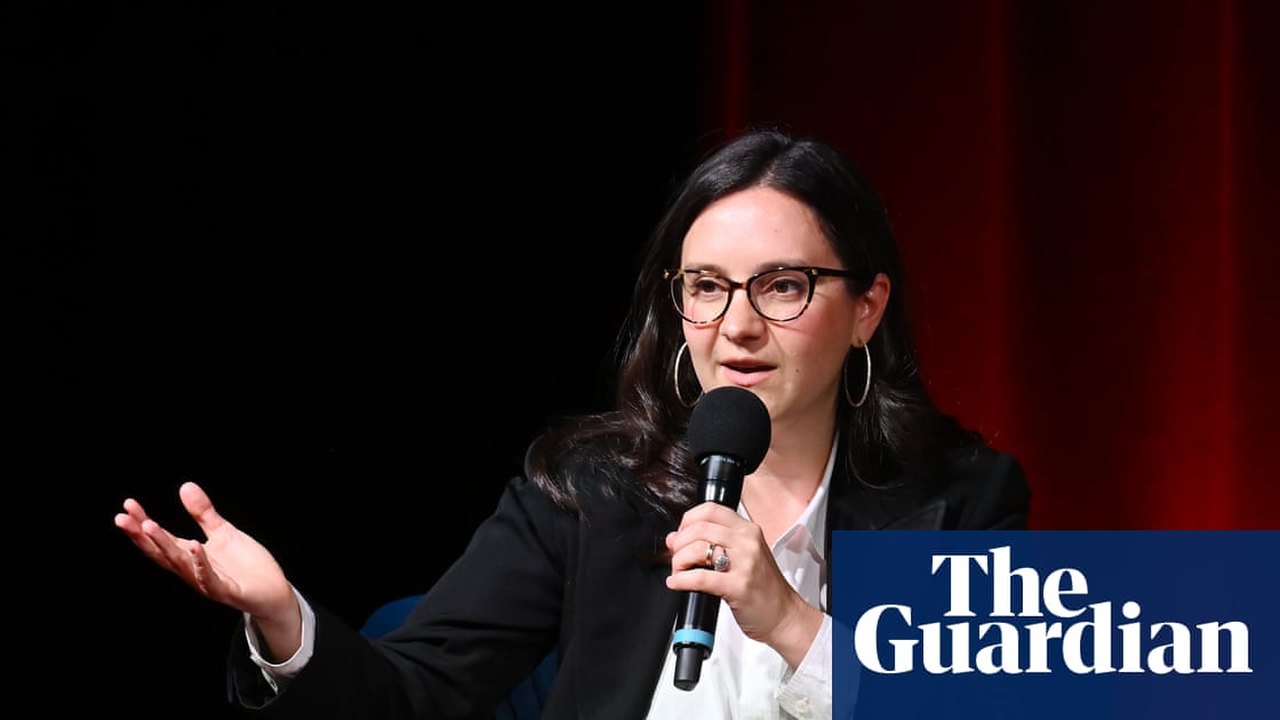 Bari Weiss Defends 60 Minutes as “Tremendously Well” Amid Ratings Decline, Rules Out Immediate CNN Move
 Stigmatized 'Jiko Bukken' Properties Draw Bargain Hunters in Japan Amid Rising Costs