Gilts v kilts: What is happening with Scottish government bonds?
· GlobeWire Daily World Desk · Source: www.bbc.co.uk

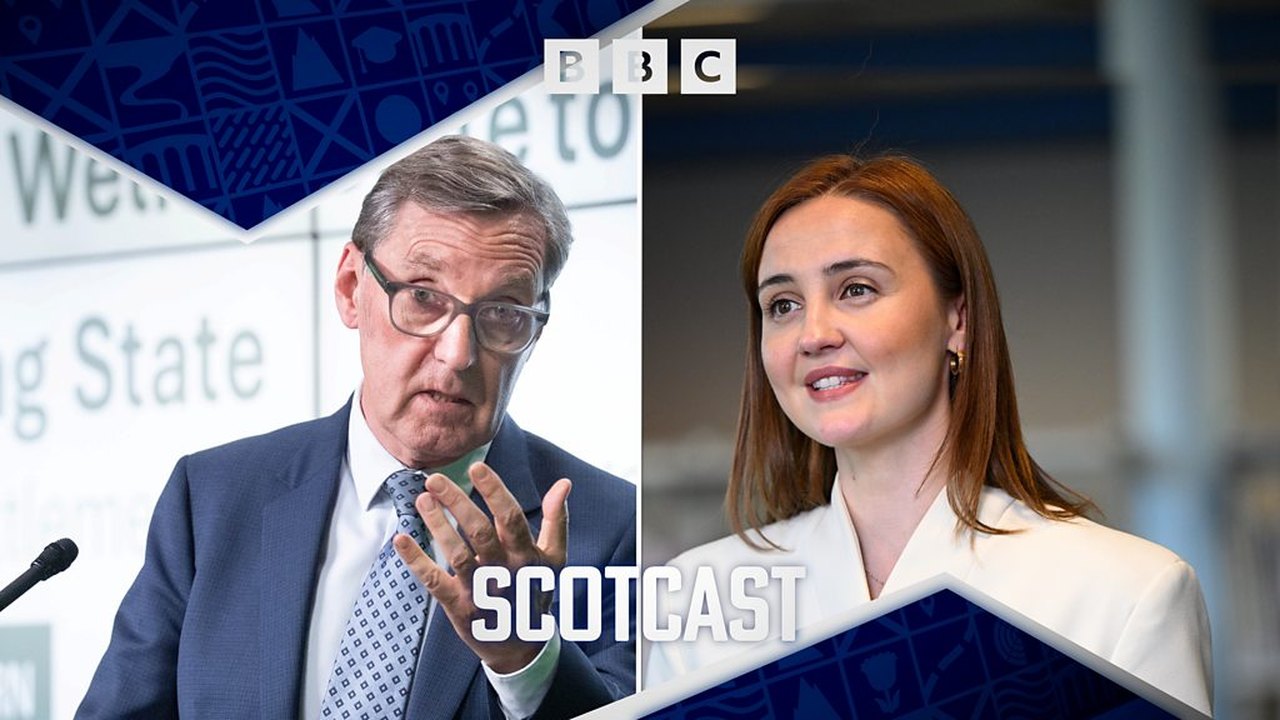
Image: BBC News · Photo source · Resized and letterboxed to 16:9; no AI generation
The Scottish government is facing questions over its planned debut bond issue, nicknamed "kilts" in a play on UK government "gilts". The proposed scheme aims to raise about £1.5bn by the end of the parliamentary term to fund long-term projects such as building hospitals and maintaining roads.
Parliamentary Scrutiny and Expert Views
This week, MSPs on Holyrood's finance committee heard evidence regarding the potential risks and rewards of the borrowing strategy.
- David McMillan, professor in finance and accounting at the University of Stirling, told MSPs that waiting for a perfect economic moment is impractical amid ongoing market volatility linked to conflicts in Ukraine and the Middle East.
- Dr Ben Cormier, a senior lecturer at the University of Strathclyde, suggested the bonds could provide flexibility to public finances and debt management, though he noted that Scottish independence could materially alter the risk profile.
- Conservative MSP Liam Kerr raised concerns that the bonds might prove more expensive than existing UK National Loans Fund borrowing and questioned the transparency of the programme.
Financial Context and Costs
Initial work on the scheme was commissioned in 2023 by former First Minister Humza Yousaf, following advice from the Scottish government's Investor Panel. In November last year, the government secured a credit rating matching the UK score, underpinned by economic stability and fiscal management.
While the Scottish government expects to issue the bonds within the current financial year subject to market conditions, external estimates indicate that interest rates on "kilts" could sit 0.3 percentage points above UK gilts, alongside an estimated £2m per bond in administrative costs. The Scottish government has not published its own costings, citing market sensitivities, but maintains that the issuance will offer value for money.
Practical Implications
Under current fiscal rules, the Scottish government cannot borrow for day-to-day resource spending except to correct forecasting errors. However, it can borrow for capital spending up to inflation-adjusted limits. Economists have noted that while the bonds offer a new avenue for investment and economic profiling, they represent a costlier borrowing route than traditional UK government mechanisms.
AI-assisted reporting; source claims are attributed and have not been independently verified.
More to read
 BBC Scotcast Examines Scottish Government Response to Alan Milburn NEETs Report
 Scottish SPCA Inspectors Shed Light on Animal Welfare Challenges
 Historic Scottish Country House Hotel Trigony House Seeks Conversion to Private Home
 Parents of Teen Who Died of Breast Cancer Back New Scottish Medical Guidelines