Gwynedd Woman Who Lost Three Family Members to Brain Tumours Calls for More Research
· GlobeWire Daily Editorial Desk · Source: www.bbc.co.uk
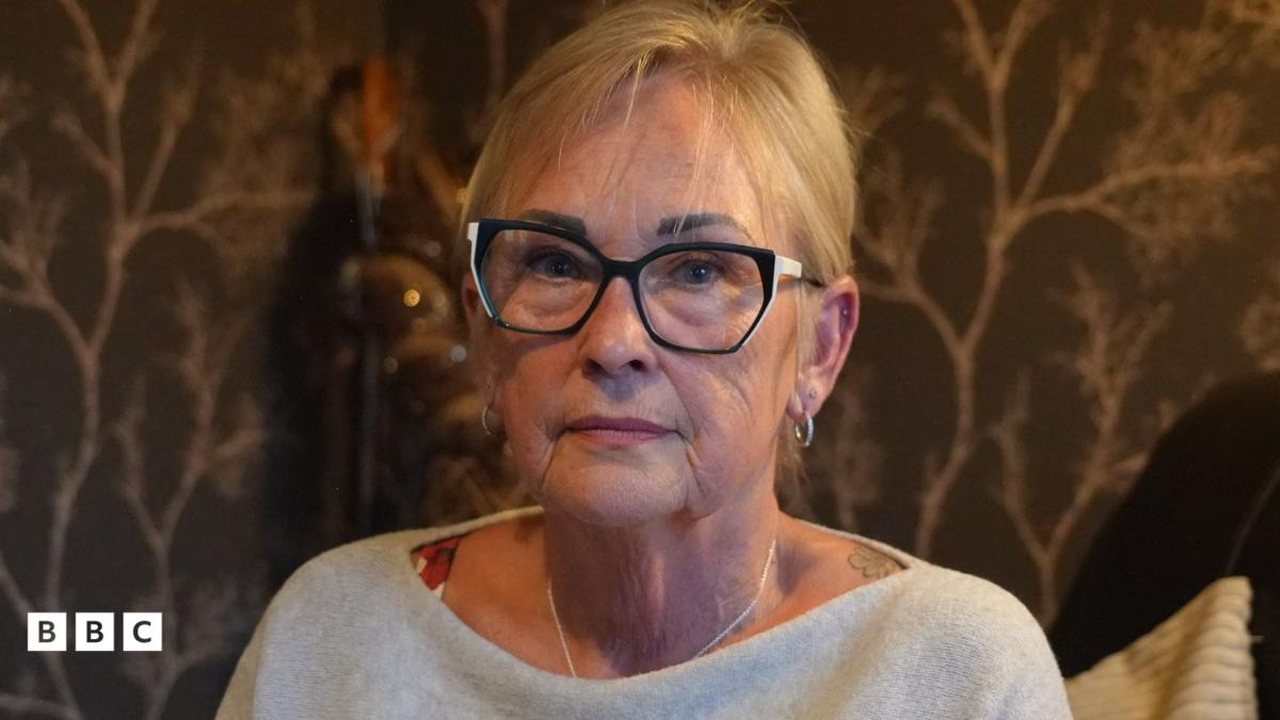
Iola Williams from Gwynedd, Wales, is calling for increased investment in brain tumour research after tragically losing her father, mother, and sister to the disease over a period of 20 years. Ms Williams stated she has seen no significant changes in the detection or treatment of the condition since her father's diagnosis.
Her father, Billy, died at age 72 in 2004 from a glioblastoma, an aggressive brain cancer, just four weeks after his diagnosis. Ten years later, her mother, Eleanor, passed away at 75 following her own brain tumour diagnosis. In January 2024, Ms Williams' sister, Helen, was also diagnosed with glioblastoma on her 56th birthday and passed away 12 weeks later.
Impact on the Family and Care
Ms Williams, a former psychiatric nurse, recounted how her father initially fell while gardening and was thought to have suffered a stroke before scans revealed multiple brain tumours. Her mother had previously fought breast and lung cancers before developing her brain tumour, which led to fatal complications from treatment. Her sister Helen experienced seizures before scans confirmed a tumour, prompting the family to travel to The Christie cancer hospital in Manchester for further tests. Helen chose to focus on quality of life rather than undergoing chemotherapy or radiotherapy.
Calls for Greater Research Funding
Working with the charity Brain Tumour Research, Ms Williams is highlighting the low level of funding allocated to the condition. According to the charity, brain tumours kill the highest number of children and adults under 40 compared to other cancers, yet only 1% of national cancer research spending was allocated to brain tumours between 2002 and 2021.
Hugh Adams from Brain Tumour Research noted that approximately 500 people are diagnosed with a brain tumour in Wales each year, but survival rates have remained largely unchanged over recent decades. He emphasized the need for funding equality so that brain tumour patients can benefit from advancements similar to those seen in breast cancer and leukaemia.
Welsh Government Response
In response, a Welsh Government spokesperson expressed condolences and stated they are developing a new 10-year National Cancer Strategy for Wales. The strategy aims to transform how the health service prevents, diagnoses, and treats cancer conditions, including brain tumours, by strengthening research, development, innovation, and clinical trial access.
- For more information or to verify announcements, consult official Welsh Government health publications or the Brain Tumour Research charity channels.
- Always rely on verified medical professionals for health diagnoses and support.
More to read
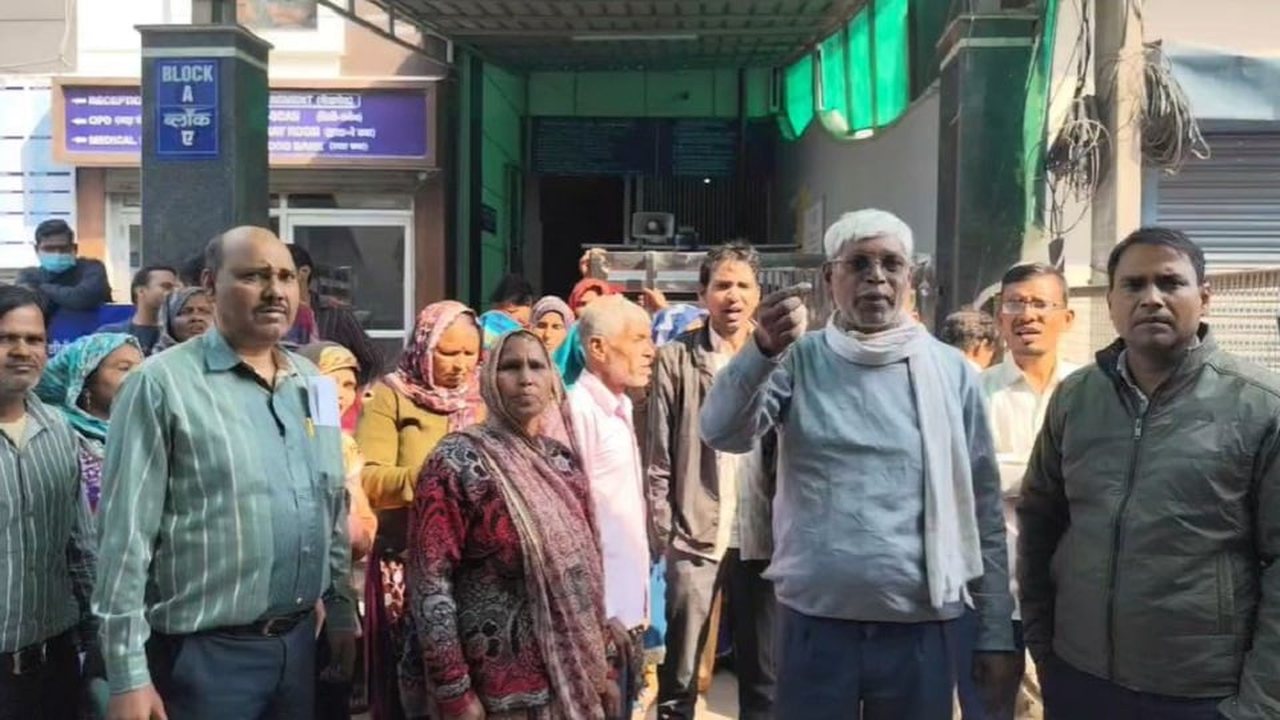 Aligarh: Family Protests Woman's Death at Hospital, Alleges Medical Negligence
 Varanasi: Woman Dies After Childbirth at Private Hospital, Family Alleges Negligence
 Bride Calls Off Wedding After Groom Allegedly Spends Time With Another Woman in Firozabad
 Deoria: FIR Registered Against Six for Alleged Attack on Couple and Family Members