ICJ Scheduled to Rule on Rohingya Genocide Case Against Myanmar Brought by The Gambia
· GlobeWire Daily World Desk · Source: www.aljazeera.com
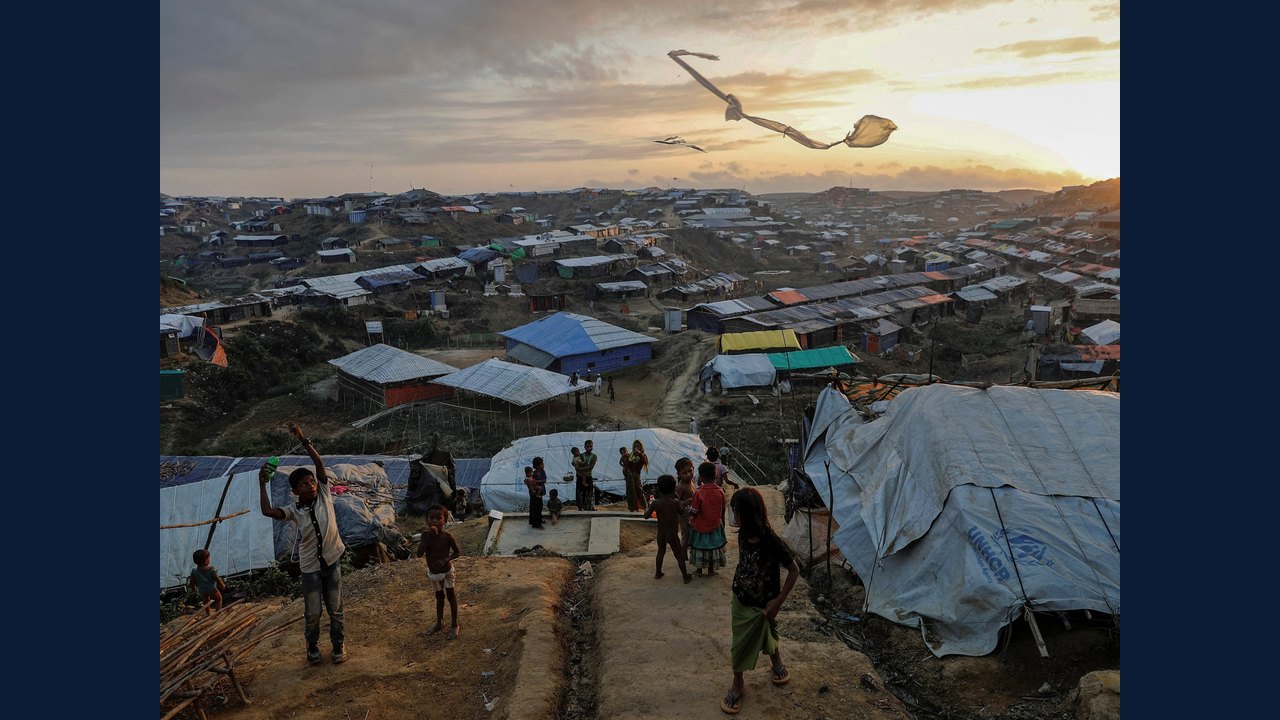
Image: Rached El-Moctar · Photo source · Resized and letterboxed to 16:9; no AI generation
The International Court of Justice (ICJ) in The Hague is scheduled to deliver its verdict on Thursday in a case brought by The Gambia accusing Myanmar of committing genocide against the Rohingya Muslim minority.
According to Al Jazeera, the scheduled ruling marks the court's first judgment on the merits of a genocide case in more than a decade. Legal experts noted the decision could also bear on separate ongoing proceedings, such as South Africa's case accusing Israel of genocide in Gaza.
Background of the Allegations and Conflict
- The Gambia filed the case in November 2019 on behalf of the 57-member Organisation of Islamic Cooperation (OIC), arguing that decades of persecution culminating in a 2017 military operation breached the 1948 Genocide Convention.
- Myanmar has maintained that its actions were legitimate counterterrorism operations responding to attacks by the Arakan Rohingya Salvation Army (ARSA) on police posts.
- UN investigators estimated that approximately 10,000 Rohingya were killed and 740,000 forced to flee into Bangladesh following the 2017 military campaign in Rakhine State.
- Myanmar excluded the Rohingya from its recognised ethnic groups in 1982, denying nearly all of them citizenship and rendering them a stateless population.
What the ICJ is Deciding
- The court must determine whether Myanmar as a state breached the 1948 Genocide Convention.
- Judges are tasked with deciding if atrocities were carried out with the specific intent to destroy the group, a legal threshold that requires either direct statements or a pattern of conduct from which genocidal intent is the only reasonable inference.
- The ICJ rules on state actions rather than the criminal guilt of individual commanders or soldiers.
Potential Implications for the Rohingya and Future Cases
- The Gambia has requested court orders requiring Myanmar to ensure safe returns for displaced Rohingya, provide compensation, and rebuild destroyed properties.
- International law experts cited by Al Jazeera observed that while a ruling could formally recognise the suffering and serve as a diplomatic pressure tool, political conditions in Myanmar may limit immediate compliance.
- The verdict will serve as the first final judgment out of five pending genocide cases at the ICJ, with experts suggesting it could influence legal interpretations and future outcomes, including South Africa's case against Israel.
To verify official announcements and court documents, readers can consult the official website of the International Court of Justice (icj-cij.org) or accredited international news reports.
AI-assisted reporting; source claims are attributed and have not been independently verified.
More to read
 Siblings Assaulted Over Old Enmity in Deoria, Police Register Case Against Five
 Police Case Filed Against Real Estate Agent for Alleged Rs 5.98 Lakh Fraud in Sant Kabir Nagar
 Madhya Pradesh High Court Quashes Murder Charges Against Mother in Son’s Death Case
 Allahabad High Court Cancels Gangster Act Proceedings Against Puja Shakun Pandey in Aligarh Murder Case