Israel Election Exit Polls Show Deadlock as Turnout Hits Highest Level in a Generation
· GlobeWire Daily World Desk · Source: www.nytimes.com
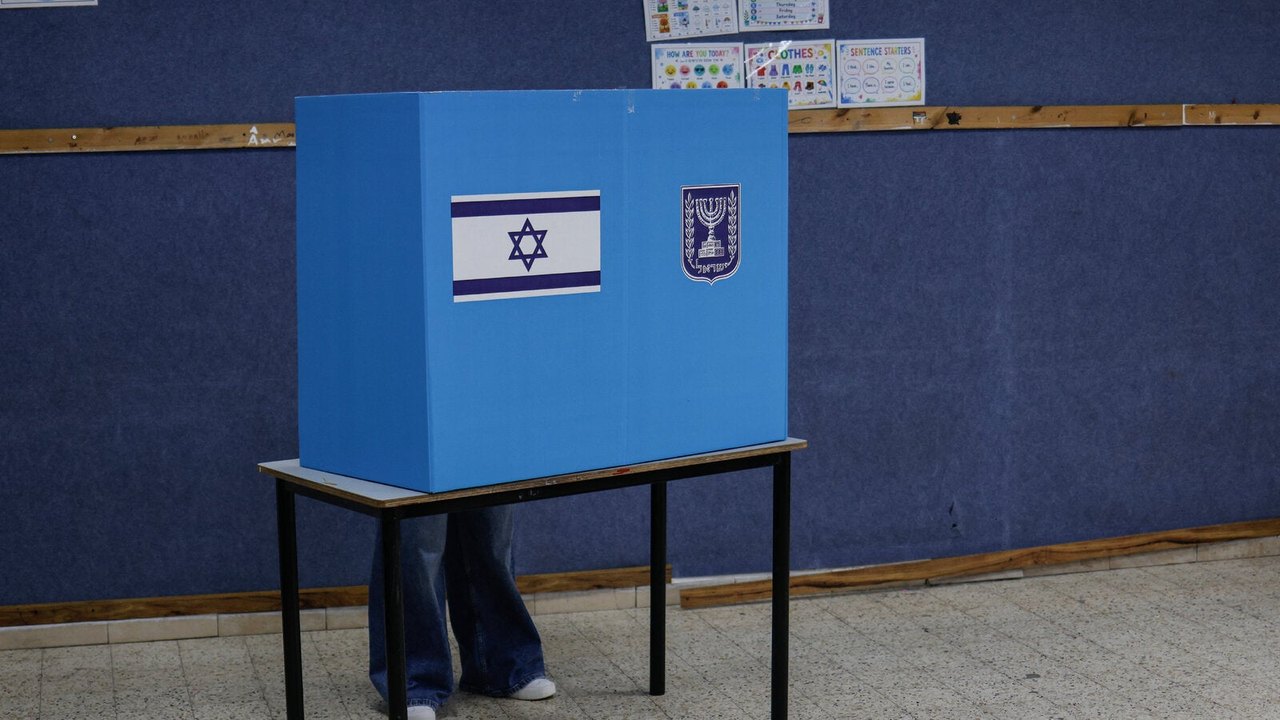
Image: www.nytimes.com · Photo source · Resized and letterboxed to 16:9; no AI generation
Israelis voted in the largest numbers in a generation on Tuesday, with exit polls indicating a tight race between Prime Minister Benjamin Netanyahu’s alliance and an opposition bloc led by Gadi Eisenkot. Election authorities reported a voter turnout rate of 77.7 percent, the highest since 1999. Vote counting is expected to take days, with official results and special ballots yet to be fully processed.
Election Outcomes and Exit Poll Projections
Exit polls released by major Israeli television networks showed mixed projections. While initial surveys suggested a slight lead for the anti-Netanyahu alliance, subsequent updates indicated a dead heat, with one poll placing Mr. Netanyahu's bloc with a slight edge. Neither major bloc secured an immediate path to a parliamentary majority, pointing to potential reliance on Arab parties to form a government.
- Turnout: Reached 77.7 percent, bolstered by high participation among Arab citizens.
- Arab Parties: Projected to win 17 to 18 seats in the 120-seat Parliament, marking a historic high.
- Special Ballots: Hundreds of thousands of votes from military bases, hospitals, prisons, and embassies remain uncounted.
Candidate Statements and Post-Election Responses
Both leading candidates struck triumphant tones in late-night addresses, despite the absence of a definitive winner:
- Benjamin Netanyahu: Speaking to supporters in Jerusalem, he highlighted his Likud party's projection as the largest single party in Parliament, winning an estimated 24 seats, and emphasized national security objectives regarding Iran.
- Gadi Eisenkot: Addressing an opposition gathering, he declared that the public wants change and warned caretaker authorities against misusing security matters for political leverage.
- Other Leaders: Figures including Naftali Bennett, Itamar Ben-Gvir, and Yair Golan shared varied perspectives on coalition prospects and the integrity of the vote.
Practical Implications and Next Steps
Official results will take days to finalize as election authorities manually tally paper ballots across more than 12,000 polling stations. Once official seat allocations are confirmed, President Isaac Herzog is expected to invite a party leader to attempt to assemble a governing coalition of at least 61 lawmakers. Analysts are also examining the feasibility of a unity government, though significant political divides remain.
AI-assisted reporting; source claims are attributed and have not been independently verified.
More to read
 Israel Election Exit Polls Show Close Race With No Clear Winner
 Israel Records Highest Election Turnout in 50 Years as Polls Close
 Israel Faces Political Deadlock After High-Turnout Election Leaves No Clear Winner
 Israel Faces Coalition Uncertainty as Election Results Point to a Deadlock