Israeli Election Results Reveal Deepening National Fault Lines
· GlobeWire Daily World Desk · Source: www.bbc.co.uk
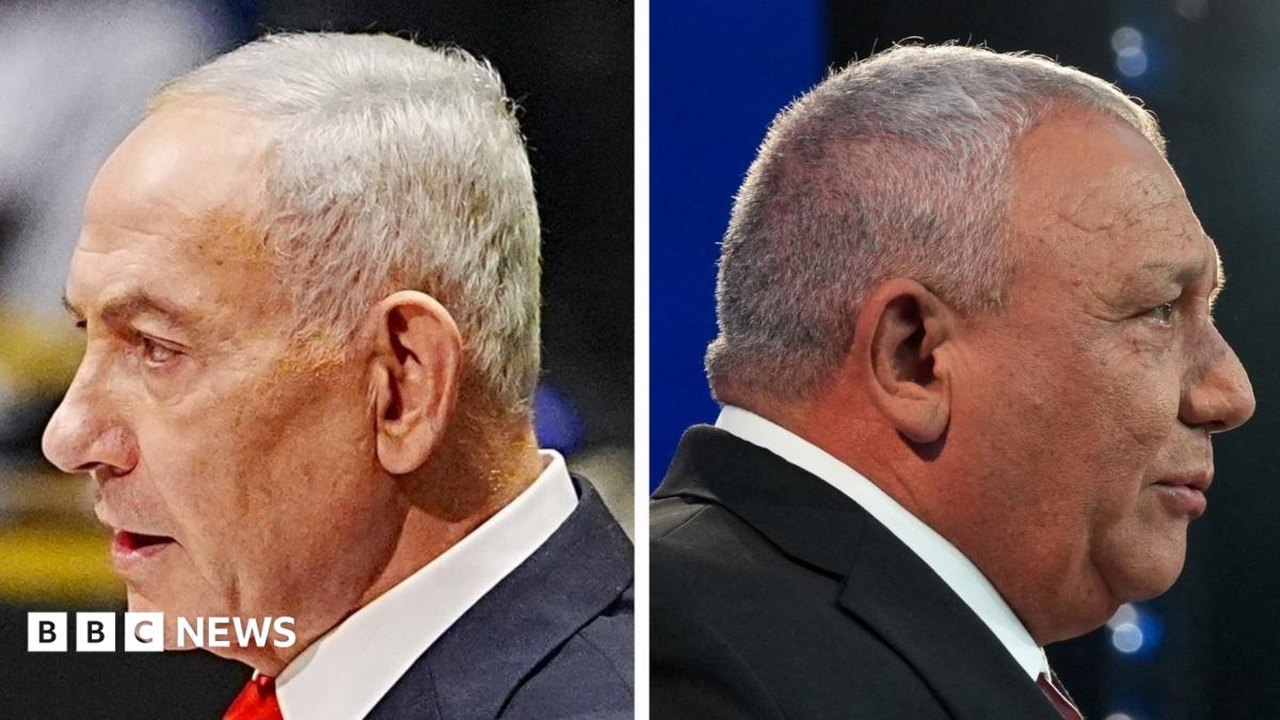
Image: https://www.facebook.com/bbcnews · Source image rights not independently verified · Photo source · Cropped to 16:9; original source image
An Inconclusive Outcome
Following recent elections, Israel faces a political stalemate as neither the ruling coalition nor the opposition bloc secured a clear parliamentary majority. The results reflect a nation marked by intense internal fragmentation rather than consensus, despite a high voter turnout that President Isaac Herzog described as a testament to the public's engagement with democratic processes.
Core Societal Divisions
Observers and political analysts have identified several long-standing and emerging issues contributing to the current legislative impasse:
- Religious and Secular Tensions: Disagreements persist over state subsidies for religious education and the military service exemption for ultra-Orthodox citizens, a group that now accounts for approximately 15% of the population.
- Security and Military Policy: Following the October 7, 2023 attacks, deep-seated debates remain regarding the priority of hostage rescue versus the destruction of Hamas, compounded by the strain on military reservists.
- Political Polarization: The election highlighted a divide between the right-wing base supporting Prime Minister Benjamin Netanyahu and a fragmented opposition bloc advocating for institutional change.
- Ethnic Representation: Arab Israeli parties saw significant gains, capturing roughly 15% of the vote, which complicates traditional coalition-building math and introduces new potential for—or tension within—future governing alliances.
The Path Toward Coalition
Israel's proportional representation system necessitates coalition government, yet the current ideological gaps make the formation of a cabinet an "unenviable task." Potential challenges for political leaders include:
- The possibility of forming unconventional cross-bloc alliances that would require compromising on core campaign promises.
- The risk of further elections if negotiations fail, a scenario President Herzog has explicitly urged politicians to avoid.
- The difficulty of balancing nationalist interests with the requirements of a diverse electorate.
Verifying the Situation
To monitor the evolving political situation in Israel, interested parties should consult official statements from the Office of the President of Israel regarding coalition negotiations and refer to official summaries provided by the Knesset. Publicly available election data and statements from party leaders can be verified through reputable international news outlets and official government portals for the most current updates on the potential formation of a new government.
AI-assisted reporting; source claims are attributed and have not been independently verified.
More to read
 Sheetal Devi Secures Multiple Medals at 2026 Asian Para Games
 Pakistan Secures Tri-Series Title With Historic ODI Chase
 6.0-Magnitude Earthquake Detected Off Coast of Mie Prefecture, Japan
 Polish Prime Minister Donald Tusk Defends Constitutional Court Overhaul Amid Political Tensions
Trending on GlobeWire Daily
Selected from recent coverage and related topics; not live search rankings.
 From Hyrule to Horror: Zelda Characters with Spine-Chilling PotentialPakistan Secures Tri-Series Title With Historic ODI Chase
 From Bristol Roots to Prime Time: The Rise of Maya Jama
 Ayesha Curry Faces Public Scrutiny Following Trailer Release for 'Second Chance Holiday'
 Box Office Update: 'You Can See Everything' and 'Clayface' Battle for Top Spot Over Sluggish Halloween Weekend
 Evacuees from Russian-occupied Oleshky reunited with families in Chernihiv