Lancashire Initiative Expands Neurodivergence Support Beyond Formal Diagnosis
· GlobeWire Daily World Desk · Source: www.bbc.co.uk
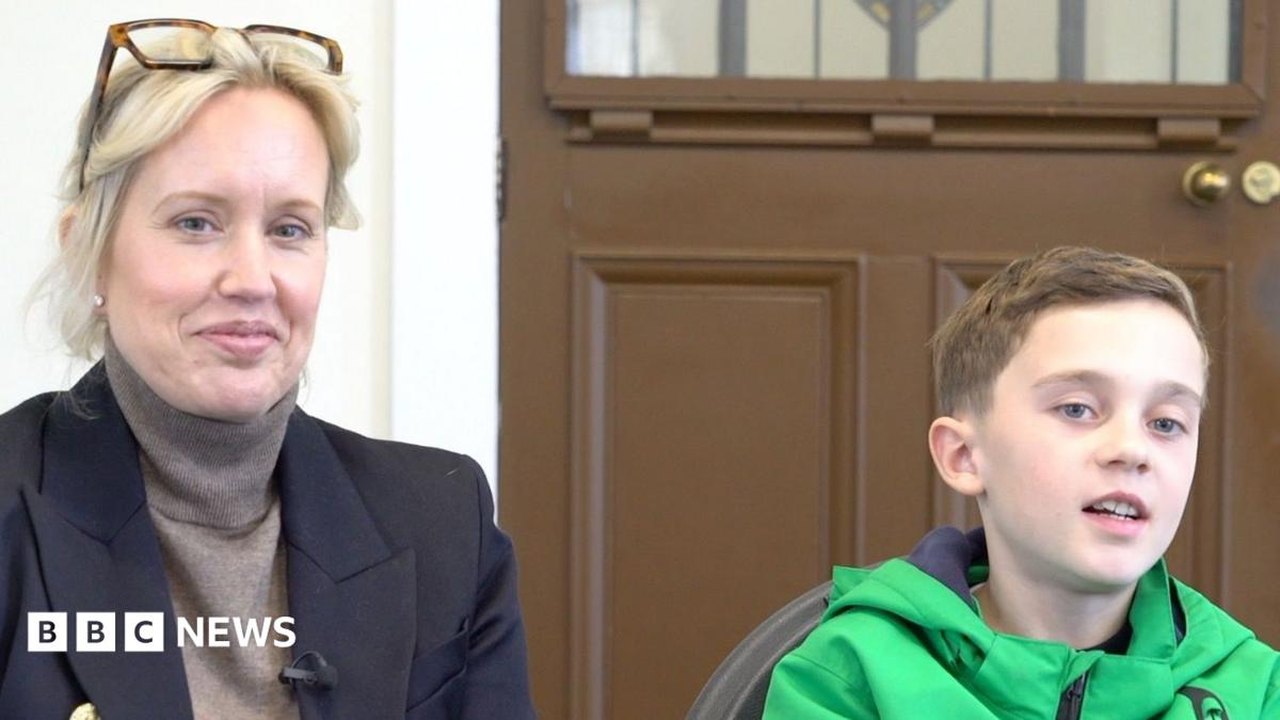
Image: BBC News · Photo source · Resized and letterboxed to 16:9; no AI generation
Addressing Neurodivergence Support
Health services in Lancashire, UK, are implementing a new approach to supporting neurodivergent children and their families. The initiative aims to provide assistance and resources to parents and carers without requiring a formal clinical diagnosis, addressing a critical gap in care as wait times for assessments continue to rise.
Challenges in the Current System
Many families, such as the mother of 10-year-old Freddy, have historically navigated years of uncertainty. Freddy, who experiences significant difficulties with sensory triggers like noise, food textures, and crowds, waited two years for a formal autism diagnosis.
Recent data highlights the scale of the challenge:
- Demand for ADHD support in the NHS system reached 560,000 by the end of last year, a 17-fold increase since 2019.
- Requests for autism assessments among 12-to-17-year-olds have surged 40-fold since 2000.
- NHS leaders have warned that the rising demand is straining healthcare resources.
A Shift in Strategy
NHS Lancashire and South Cumbria is currently in the middle of a three-year transformation program. The goal is to provide targeted help earlier, allowing families to access support groups and educational strategies even if they are only just beginning to suspect their child has neurodivergent needs.
Key aspects of the new program include:
- Parental Support Groups: Courses, such as those delivered by Carers Link Lancashire in Clitheroe, offer advice on managing triggers and identifying helpful behavioral strategies.
- School Integration: Working with schools to implement low-cost, sensory-friendly changes, such as modifying lesson delivery or providing quiet spaces for students.
- Reduced Barriers: Shifting away from the necessity of a 'formal piece of paper' as the sole gatekeeper for accessing services.
While a government-commissioned review recently debated the risks of overdiagnosis versus the historical underdiagnosis of neurodivergent conditions, local health officials emphasize that formal diagnoses will remain available for those who seek them. However, for many families, the priority remains gaining immediate, practical tools to help their children thrive at home and in education.
AI-assisted reporting; source claims are attributed and have not been independently verified.
More to read
 Health Check Initiative Launched to Support Lorry Drivers' Wellbeing in Cannock
 Fill the Freezer Initiative Expands Across 12 Ohio Counties to Fight Hunger
 Andhra Pradesh Native Works to Support Rural Education Through Nonprofit Initiative
 Apple Expands Language Support for Redesigned Health App