Mango the British Shorthair to Undergo Rare Nostril Surgery in Hope of a Forever Home
· GlobeWire Daily Editorial Desk · Source: www.bbc.co.uk
Summary
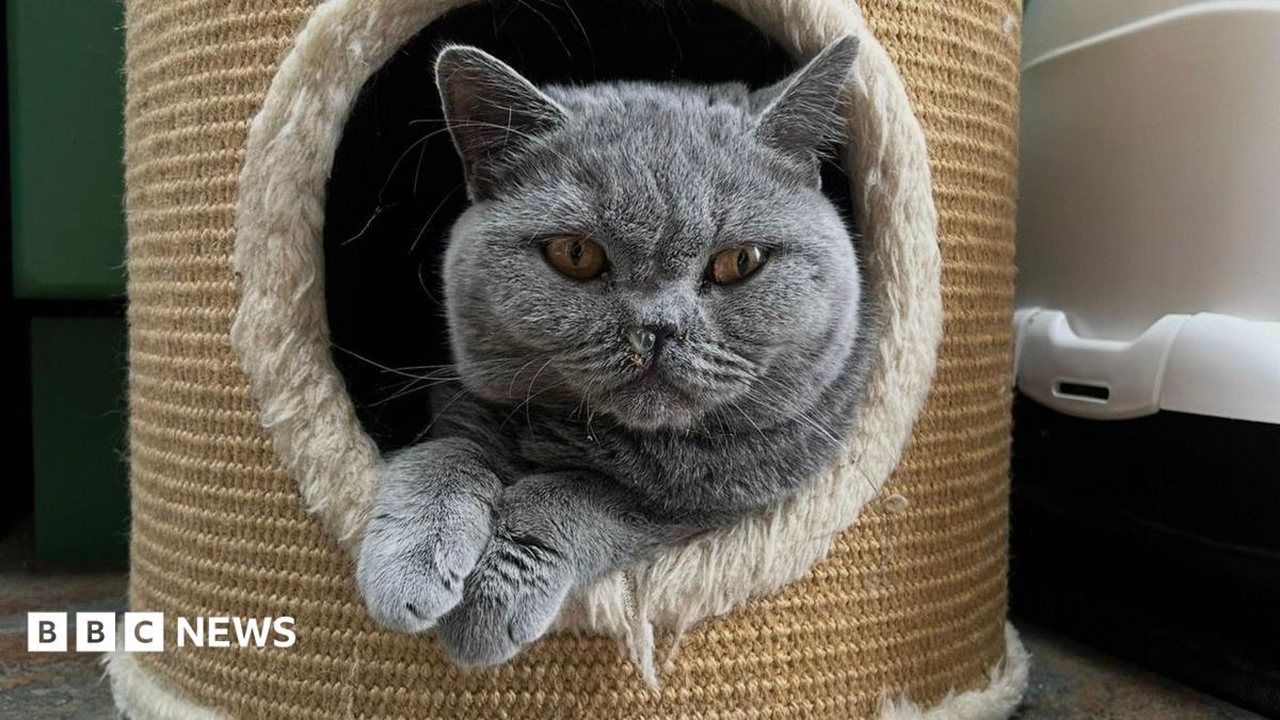
Mango, a young British Shorthair with a malformed nostril, is scheduled for corrective surgery at Eastcott Vets in Swindon. The operation, funded by a £5,000 public appeal, aims to improve her quality of life and increase her chances of adoption.
Details
- Animal: Mango, a British Shorthair kitten rescued by Holly’s Merry Moggies in Nottingham.
- Condition: One nostril forms a dead‑end “cul‑de‑sac” that does not connect to the airway, causing chronic discharge and respiratory difficulty.
- Cause: Vets say the defect is a genetic abnormality common in flat‑faced or “wonky” cats bred for profit.
- Rescue background: Adopted from a breeder, returned after a seizure, then handed to the rescue centre because the breeder could not care for her.
- Treatment plan: Surgery to reconstruct the nostril is planned for the coming months at Eastcott Vets, Swindon. The procedure is still pending; Mango has not yet undergone it.
- Funding: A crowdfunding drive raised about £5,000, covering veterinary fees and post‑op care.
- Future prospects: Founder Holly Brockwell says a successful operation could allow Mango to be re‑homed permanently.
Expert commentary
Veterinary surgeon Lorna Clark (Pinfold Vets, East Leake) warns prospective owners to consider adopting ordinary domestic cats, noting that “fancy” breeds often carry hidden health costs. Alice Palombo of Cats Protection highlights a lack of breeding regulation in the UK, urging buyers to use vetted online platforms linked to the Pet Advertising Advisory Group.
Practical implications
- Adoption: Potential adopters can contact Holly’s Merry Moggies to learn about Mango’s status after surgery.
- Verification: The surgery date and outcome can be confirmed through Eastcott Vets or updates posted by the rescue centre on their website and social media.
- Awareness: The case underscores the need for stricter breeding standards to prevent similar congenital defects.
How to help
- Donate to rescue organisations caring for disabled cats.
- Share verified information about responsible cat ownership.
- Support legislative calls for UK cat‑breeding regulation.
--- *All information is drawn from the BBC article dated 18 August 2024 and statements from the rescue centre, veterinarians, and Cats Protection.*