Netanyahu's Likud and Eisenkot's Yashar End Coalition Talks Without Reaching a Deal
· GlobeWire Daily Editorial Desk · Source: www.aljazeera.com
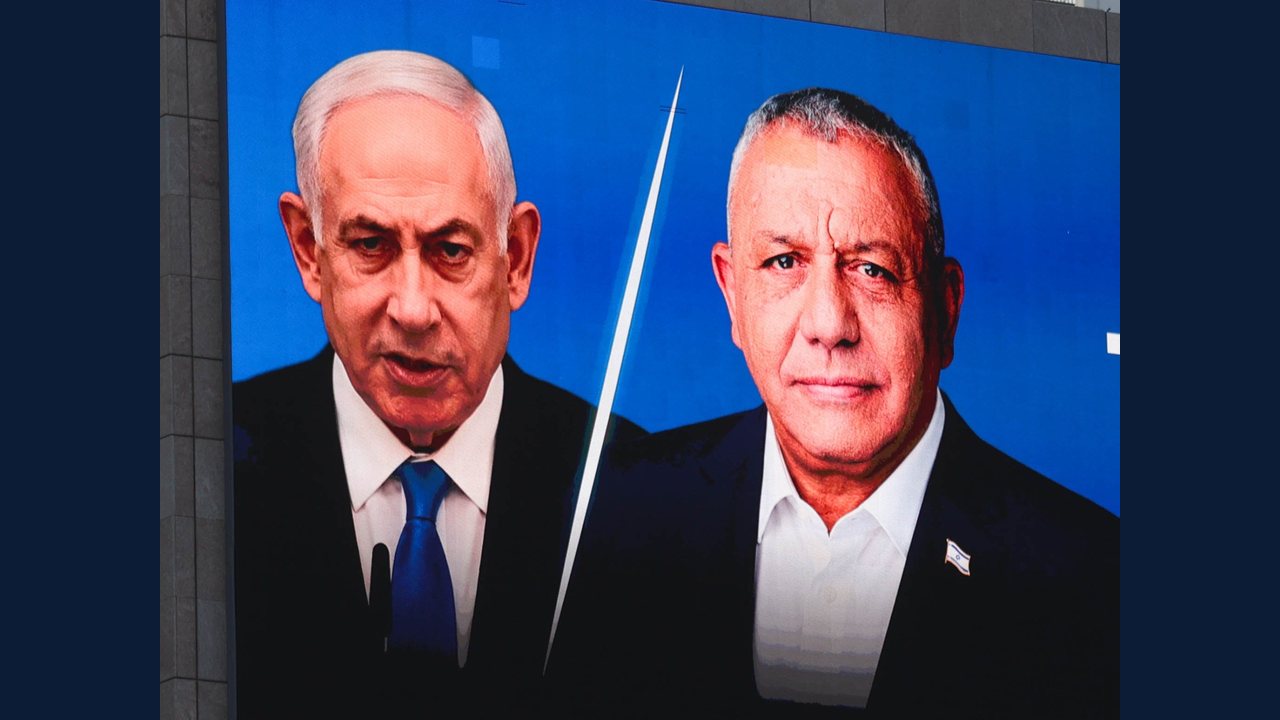
Talks aimed at forming a unity government between caretaker Prime Minister Benjamin Netanyahu’s Likud party and opposition leader Gadi Eisenkot’s Yashar party concluded on Sunday without an agreement, according to reports. Representatives from both parties met at a hotel in Herzliya, Israel, but remained divided on key issues, including government leadership and the potential inclusion of far-right National Security Minister Itamar Ben-Gvir.
According to Israel's Channel 12 broadcaster and the Yedioth Ahronoth newspaper, the primary sticking points included:
- Government Leadership: Disagreements over who would hold the premiership first in a potential rotation agreement.
- Itamar Ben-Gvir's Role: Likud reportedly sought to include Ben-Gvir in the coalition, while Yashar insisted on his exclusion.
- Coalition Structure: Differing views on the broader composition of the ruling alliance.
In a joint statement, the two parties acknowledged that they had "outlined their positions on a range of substantive issues" and agreed that a "follow-up meeting would be held," though no specific date or further details were provided.
Mandate Timeline and Alternative Scenarios
Following elections in October that left his bloc with 48 seats—falling 13 seats short of a majority—Eisenkot holds the mandate to form a government until December 6, with a potential 14-day extension available.
Netanyahu has publicly advocated for a unity government, describing it as essential for national security and a way to form a government without parties representing Palestinian citizens of Israel, which secured 19 seats in the election. Meanwhile, former Prime Minister Naftali Bennett reportedly proposed a rotation coalition involving Together, Yashar, Likud, and Avigdor Lieberman’s Yisrael Beiteinu, with Eisenkot serving first followed by Netanyahu. However, Eisenkot has reportedly opposed a rotation arrangement, Netanyahu has insisted on taking the premiership first, and Lieberman has ruled out joining any administration led by Netanyahu.
Should unity negotiations ultimately fail, Yashar has indicated plans to seek a confidence vote in the Knesset for a minority government prior to the expiration of Eisenkot’s mandate. Such a government would depend on outside backing from the Arab Joint List, led by Yousef Jabareen, and the United Arab List, led by Mansour Abbas. Observers can verify these political developments through official Knesset announcements and ongoing reports from Israeli media outlets such as Channel 12 and Yedioth Ahronoth.