Parallels in Power: How Long-Standing Leaders in Hungary and Serbia Lost Control
· GlobeWire Daily World Desk · Source: www.bbc.co.uk
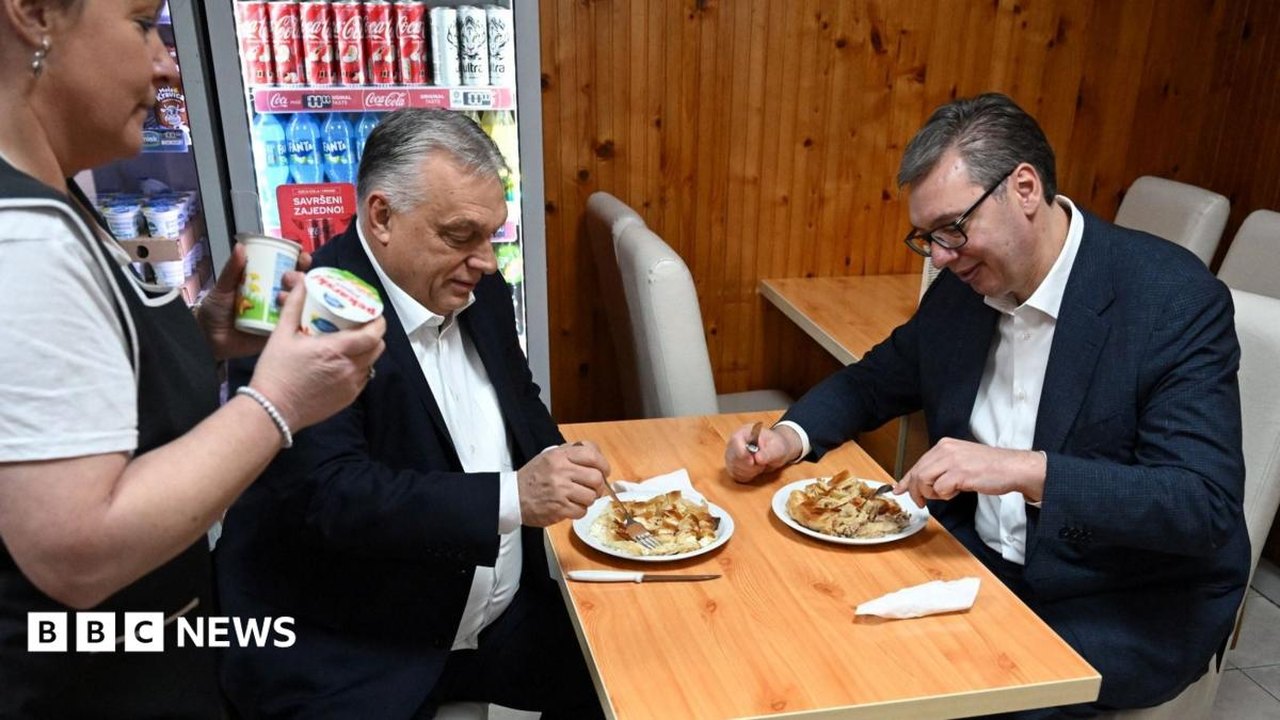
Image: BBC News · Photo source · Resized and letterboxed to 16:9; no AI generation
The Ouster of Long-Term Leaders
Recent political shifts in Central and Southeast Europe have seen the departure from power of two prominent figures: Hungarian Prime Minister Viktor Orbán and Serbian President Aleksandar Vučić. Both leaders had maintained prolonged tenures in office—Orbán for 16 years and Vučić for 14 years—during which they consolidated significant political influence and state institutional control.
Reports indicate that both leaders were unseated following strong popular movements driven by high voter turnouts. Orbán was defeated in April by the Tisza party led by Péter Magyar, while in Serbia, a youth-led student movement secured a landslide victory in parliamentary elections.
Cross-Border Civic Cooperation
Observers and participants have highlighted the role of civic cross-border collaboration in these outcomes. Activists from Hungary's DE civic action group travelled to Serbia to share monitoring methodologies developed during the Hungarian election cycle.
- Polling Station Strategies: Hungarian monitors and Serbian students collaborated to identify vulnerable voting districts based on historical voting anomalies.
- Deterrence and Documentation: Teams of stationary and mobile volunteers utilized recording equipment and deployed in groups to deter potential voter intimidation or electoral interference.
Reports noted instances of masked groups gathering near voting locations, which volunteers documented to ensure electoral transparency.
Shared Traits and Subsequent Speculation
Historically, the administrations of Orbán and Vučić maintained close political and economic ties, including collaborative infrastructure projects and international alignments. Following their respective defeats, reports and speculation emerged regarding private communications between the two figures on election night concerning the peaceful concession of power, though details remain subject to differing accounts.
Public statements from activists emphasize that prolonged tenure can sometimes obscure underlying political vulnerabilities. As both nations transition, legal and judicial bodies in Hungary and Serbia continue to examine past governance under anti-corruption frameworks.
How to Verify
To verify original reports regarding these political developments:
- Consult official election commission announcements from Hungary and Serbia.
- Review primary statements from recognized international election observation missions.
- Cross-reference updates via established, independent journalistic outlets reporting on Central and Southeastern European politics.
AI-assisted reporting; source claims are attributed and have not been independently verified.
More to read
 How a Stillbirth Redefined a Couple’s Love and Resilience in Australia
 Severe Storm Batters New South Wales Community, Damaging Buildings and Toppling Trees
 Passengers Share First Impressions on Maiden Spirit of Tasmania Voyage
 One Nation’s Melbourne candidate steps down after offensive social‑media posts surface
Trending on GlobeWire Daily
Selected from recent coverage and related topics; not live search rankings.
 Ducati Panigale V4: Motorcycle Specifications, Facts and Verification Guide
 Aprilia RXV/SXV: Motorcycle Specifications, Facts and Verification Guide
 Mitsubishi Outlander: Car Specifications, Facts and Verification Guide
 Leapmotor C11: Car Specifications, Facts and Verification Guide
 iPhone 15: Smartphone Specifications, Facts and Verification Guide
 Sony Ericsson Xperia X10 mini: Smartphone Specifications, Facts and Verification Guide