Patient Says Leukaemia Caused by Years of Unnecessary Chemotherapy
· GlobeWire Daily Editorial Desk · Source: www.bbc.co.uk
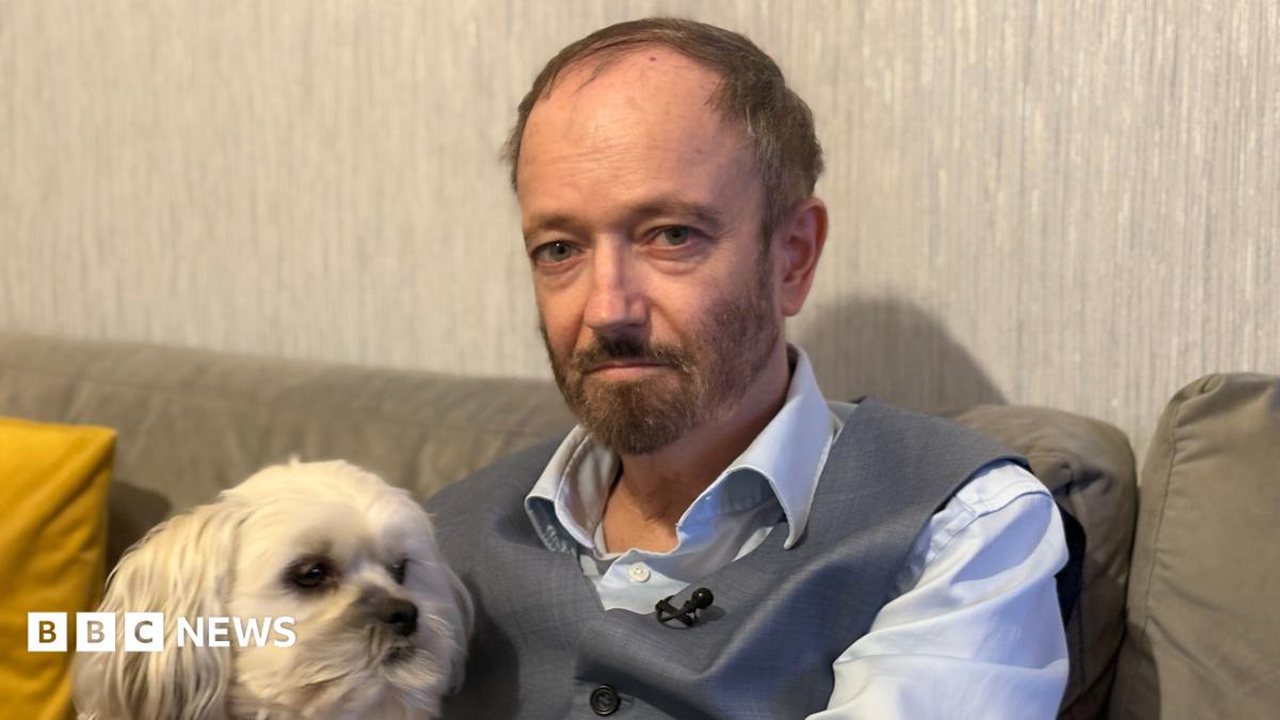
A patient treated at a hospital trust in England says he feels betrayed after being prescribed chemotherapy tablets for nearly 13 years instead of the recommended six months, subsequently developing leukaemia.
Mark Callaghan, from Leicester, was prescribed temozolomide at University Hospitals Coventry and Warwickshire (UHCW) following a brain tumour diagnosis in 2010. According to reports, neither consultant Prof Ian Brown nor clinical nurse specialist Ian Edwards warned him that leukaemia was a potential side effect.
Trust Review and Findings
The hospital trust is currently reviewing the care of hundreds of patients treated by Prof Brown amid concerns that many received years of unnecessary chemotherapy. An apology has been issued to affected patients and their families.
A Royal College of Physicians (RCP) review examining 20 cases concluded that patients were severely harmed, with some misdiagnosed and others wrongly told they would face death if they stopped taking the medication. Prof Andy Hardy, chief executive at UHCW, admitted that the failings should have been identified and stopped earlier, noting that changes have since been implemented to prevent recurrence. However, he stated he would not resign.
Impact on Patients
Callaghan stated that his treatment was abruptly stopped in 2023 following a concerning blood test, and he was later diagnosed with blood cancer. His care involved intensive care admissions and salvage chemotherapy, followed by a bone marrow transplant by June 2025. He now requires numerous daily medications to support his immune system.
Another patient, Samantha Smith from Bromsgrove, reported receiving temozolomide for six and a half years under the same care. Her daughter, Lydia Smith, expressed distress upon learning about the extended duration of treatment.
Official Responses
Coventry East MP Mary Creagh expressed shock at the findings and announced plans to seek an urgent meeting with trust management, questioning why unusual therapeutic decisions were not challenged by colleagues over the years.
Neither Prof Brown nor Mr Edwards, both of whom have retired from UHCW, have responded to media requests for comment.
A Department of Health and Social Care spokesperson described the reports as shocking, stating that the trust is expected to investigate thoroughly and that further action will be considered alongside NHS England and regulators once the review concludes.
More to read
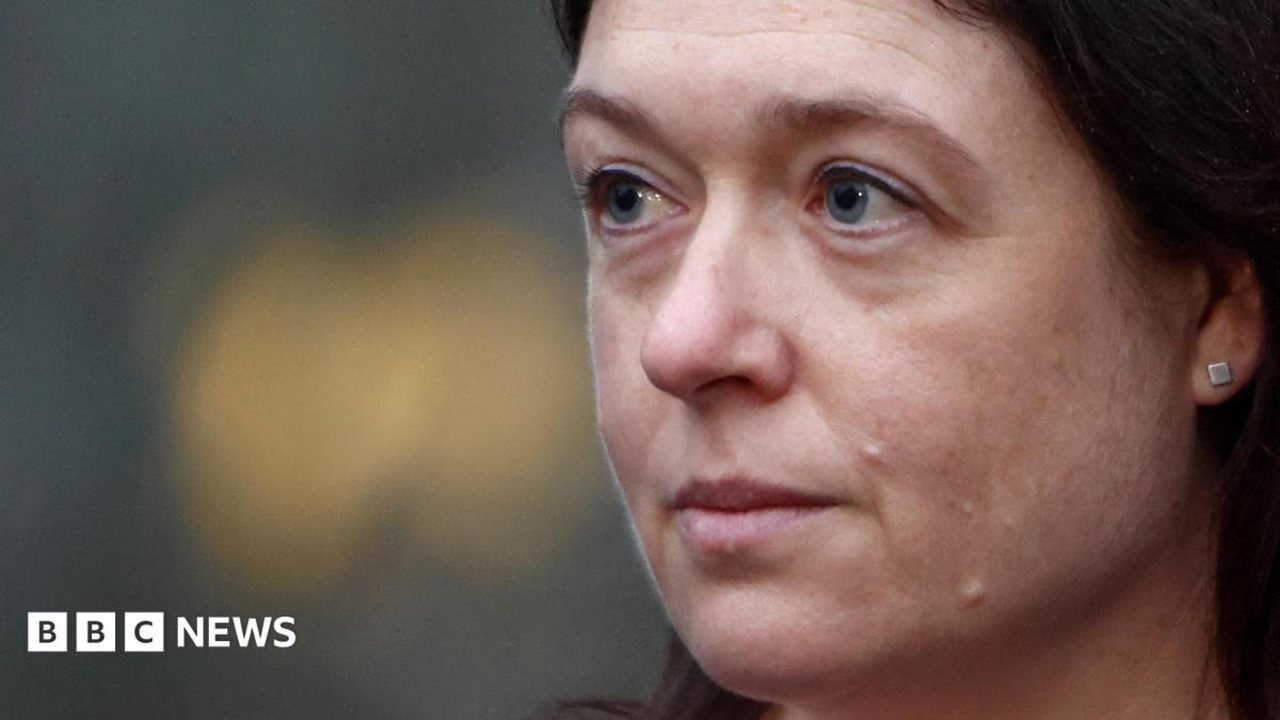 Women Rally Behind Joanne Young Following Landmark UK Rape Trial
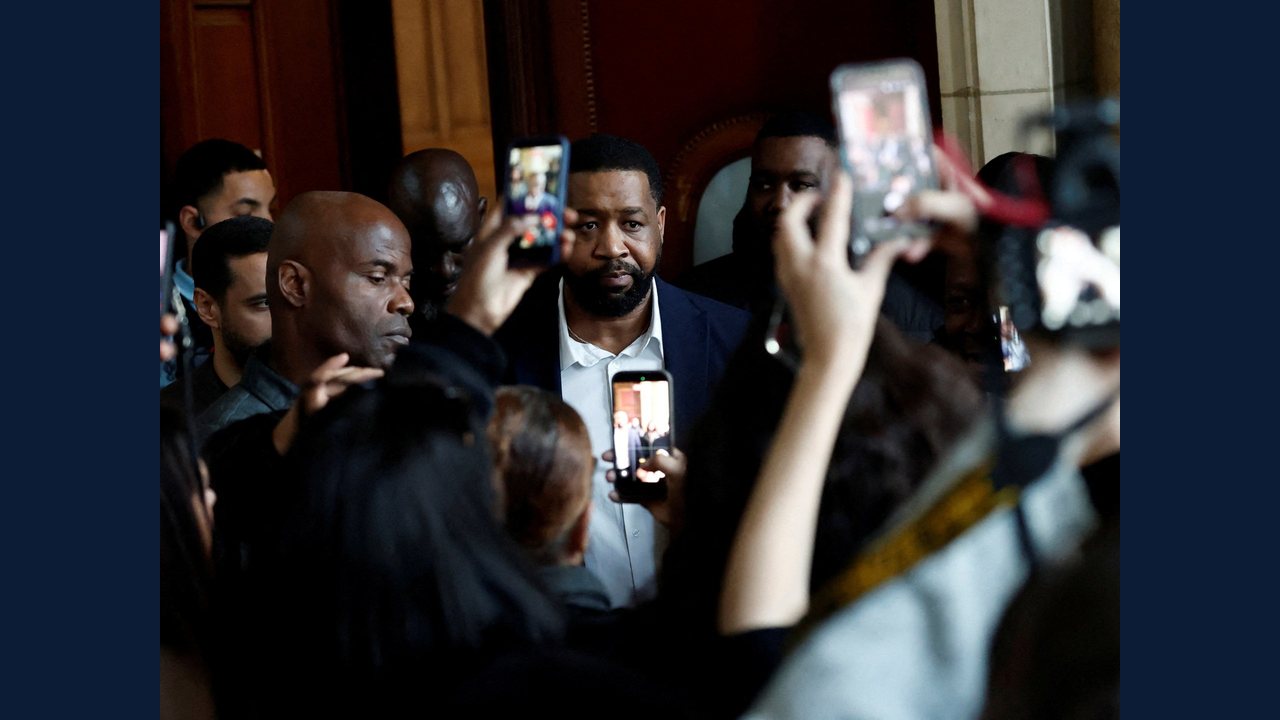 French Court Convicts Three Police Officers Over Racially Motivated 2020 Assault on Music Producer Michel Zecler
 Coed Cadw Confident in Raising £13m to Purchase Nannau Estate in Gwynedd
 European Cucumber Market Faces Supply Shifts as Spanish Production Struggles