Ratko Mladic's Death Exposes Deep Divisions in Bosnia and Serbia
· GlobeWire Daily World Desk · Source: www.dw.com
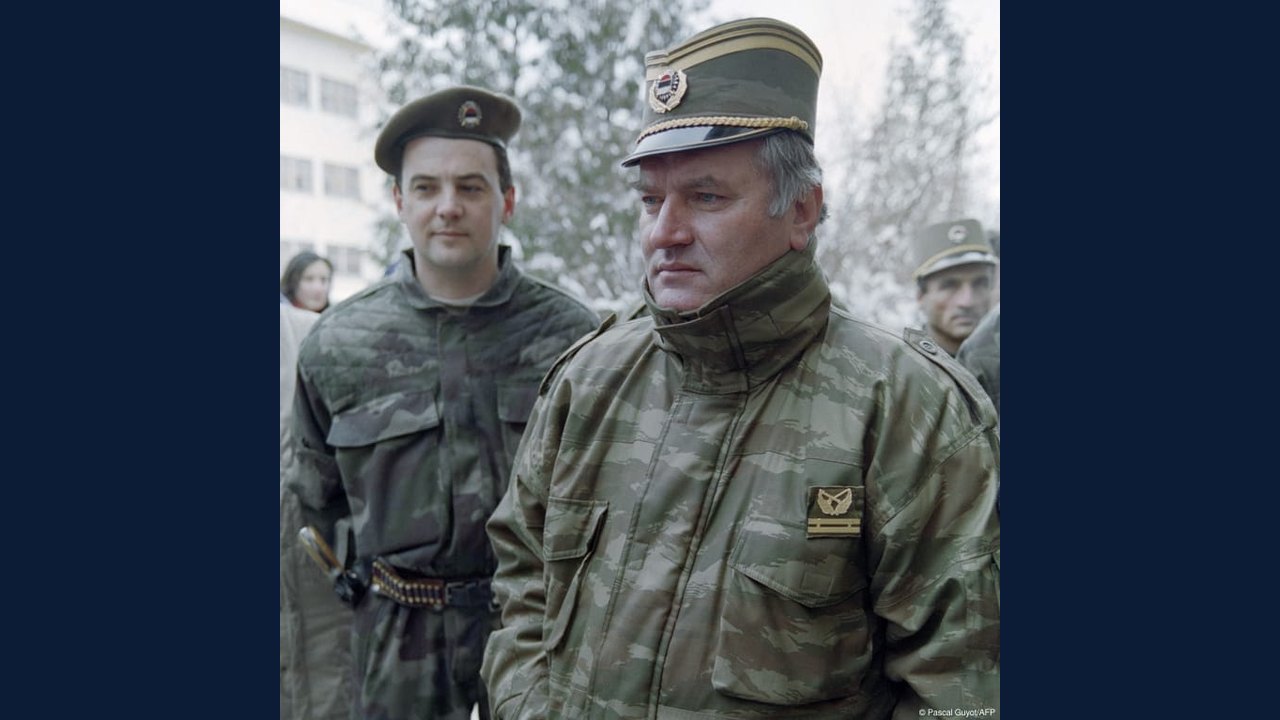
Image: dw.com · Photo source · Resized and letterboxed to 16:9; no AI generation
Ratko Mladic, the former commander of the Bosnian Serb army who was convicted of genocide and war crimes, died on August 27, 2026, in a prison hospital in The Hague. According to reports, his death has reignited sharp divisions across Bosnia-Herzegovina and Serbia, highlighting unresolved tensions stemming from the 1992–1995 Bosnian war.
Contrasting Reactions to the Death
Reactions to Mladic's death starkly reflected the region's ethnic and political divides:
- Republika Srpska and Serbia: In Republika Srpska and Serbia, officials and supporters mourned Mladic as a national hero. Senior figures in Republika Srpska called for public candle-light vigils, while Milorad Dodik characterized the death as an "organized approach" leading to a fatal outcome. In Belgrade, Serbia's justice minister announced plans for a state and military funeral, and President Aleksandar Vucic criticized the tribunal in The Hague for denying Mladic end-of-life care outside prison.
- Federation of Bosnia-Herzegovina: Conversely, in the Federation of Bosnia-Herzegovina, where Bosniaks and Croats form the majority, the news was met with unanimous condemnation. Bosnia's foreign minister, Elmedin Konakovic, stated that Serbia was choosing to honor Mladic of its own accord. Victims' representatives and international bodies, including the European Commission, strongly criticized the planned glorification, noting that honoring convicted war criminals contradicts basic European values.
Structural Issues and the Dayton Accords
Commentators note that the polarization surrounding Mladic's legacy is tied to the constitutional framework established by the 1995 Dayton Peace Agreement. While the accords successfully ended the armed conflict, analysts argue they created a complex, decentralized state system without establishing a shared mechanism for addressing wartime atrocities. Consequently, different entities interpret the past through conflicting lenses, with denial and glorification remaining prevalent political resources.
Verification of these developments can be pursued through official statements from the European Commission, the government of Serbia, and the ministries within Bosnia-Herzegovina.
AI-assisted reporting; source claims are attributed and have not been independently verified.
More to read
 COP31 Climate Summit Faces Deep Divisions as Negotiators Race Toward Final Days
 COP31 Climate Talks Face Slow Progress and Deep Divisions in Antalya
 Binance Hack Exposes Deep Vulnerabilities in Crypto Security Infrastructure
 Coroner Rules Death of Mother from Over-Filler BBL Was Accident, Warns of Further Risks