Sirathu Assembly Seat: A History of Electoral Surprises and Political Shifts in Kaushambi
· GlobeWire Daily World Desk · Source: www.livehindustan.com
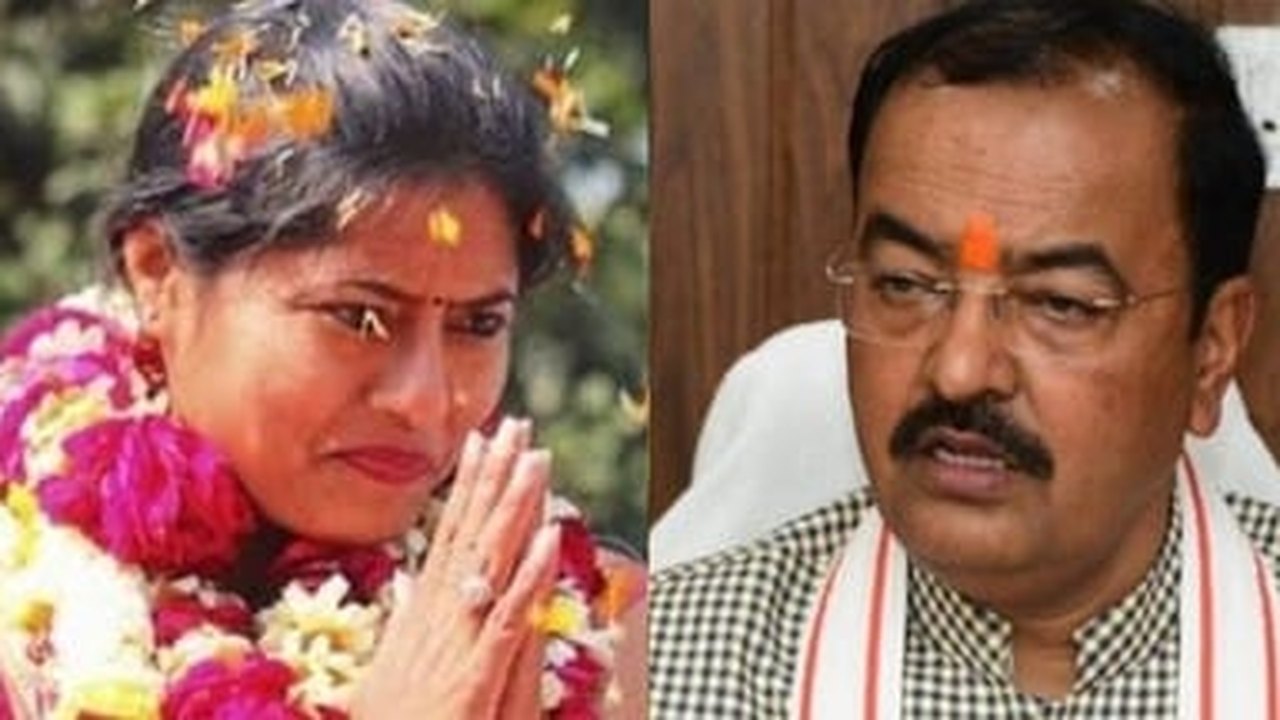
Image: www.livehindustan.com · Photo source · Resized and letterboxed to 16:9; no AI generation
According to a report by LiveHindustan, the Sirathu assembly constituency in Kaushambi, Uttar Pradesh, has a history of unpredictable electoral outcomes where major parties have often won against prevailing state waves.
Electoral Background and Key Contests
Historically, the seat was considered difficult for the Bharatiya Janata Party (BJP), failing to secure wins even during the Ram Mandir movement in the 1990s. However, in the 2012 assembly elections—amid a strong Samajwadi Party (SP) wave—Keshav Prasad Maurya won the seat for the BJP for the first time, defeating BSP candidate Anand Mohan by about 9,000 votes while the SP finished third. This victory elevated Maurya's political profile, leading to his subsequent roles as a Lok Sabha MP from Phulpur in 2014, UP BJP president, and eventually Deputy Chief Minister following the 2017 state elections.
Conversely, in the 2022 assembly elections, while the BJP returned to power under Chief Minister Yogi Adityanath, Deputy CM Keshav Prasad Maurya lost the Sirathu seat to Pallavi Patel of Apna Dal (Kamerawadi), who contested on an SP symbol. Furthermore, following Maurya's election to Parliament in 2014, a by-election was held in Sirathu. Despite a strong national wave for the BJP, SP candidate Vachaspati won the seat against BJP's Santosh Singh Patel.
Historical Overview and Caste Dynamics
Across previous decades, the seat has seen representation from various parties:
- Congress: Won four times (1962, 1967, 1980, 1985)
- BSP: Won four consecutive terms (1993, 1996, 2002, 2007)
- Janta Dal: Won twice (1989, 1991)
- Other Parties: Brief wins by Samyukta Socialist Party (1969), Bharatiya Kranti Dal (1974), and Janata Party (1977)
- SP and BJP: Secured wins in recent election cycles including 2012, 2014 (by-election), 2017, and 2022.
Demographically, the constituency features a diverse voter base of approximately 380,000 electors, which includes significant numbers of Scheduled Caste (SC) voters, Muslim voters, along with communities such as Patel, Maurya, Brahmin, Yadav, Pal, and Vaishya voters. Observers attribute historical voting patterns to these complex caste equations.
Verification and Reporting
Readers can verify the original reporting and ongoing political analyses through the LiveHindustan portal, authored by journalist Yogesh Yadav, which covers political developments and electoral history in Uttar Pradesh.
AI-assisted reporting; source claims are attributed and have not been independently verified.
More to read
 The Aesthetics of Ideology: Reflections on Luxury Retail and Political History
 Political Battle Over Muslim Votes in Western Uttar Pradesh Ahead of Assembly Elections
 Astrologer Predicts Political Challenges and Leadership Shifts Based on Planetary Positions
 Deoria News: Emphasis Placed on Adding Eligible Citizens to Electoral Roll