Six Grazing Horses Reveal England’s Decades‑Long Housing Shortfall
· GlobeWire Daily Editorial Desk · Source: www.bbc.co.uk
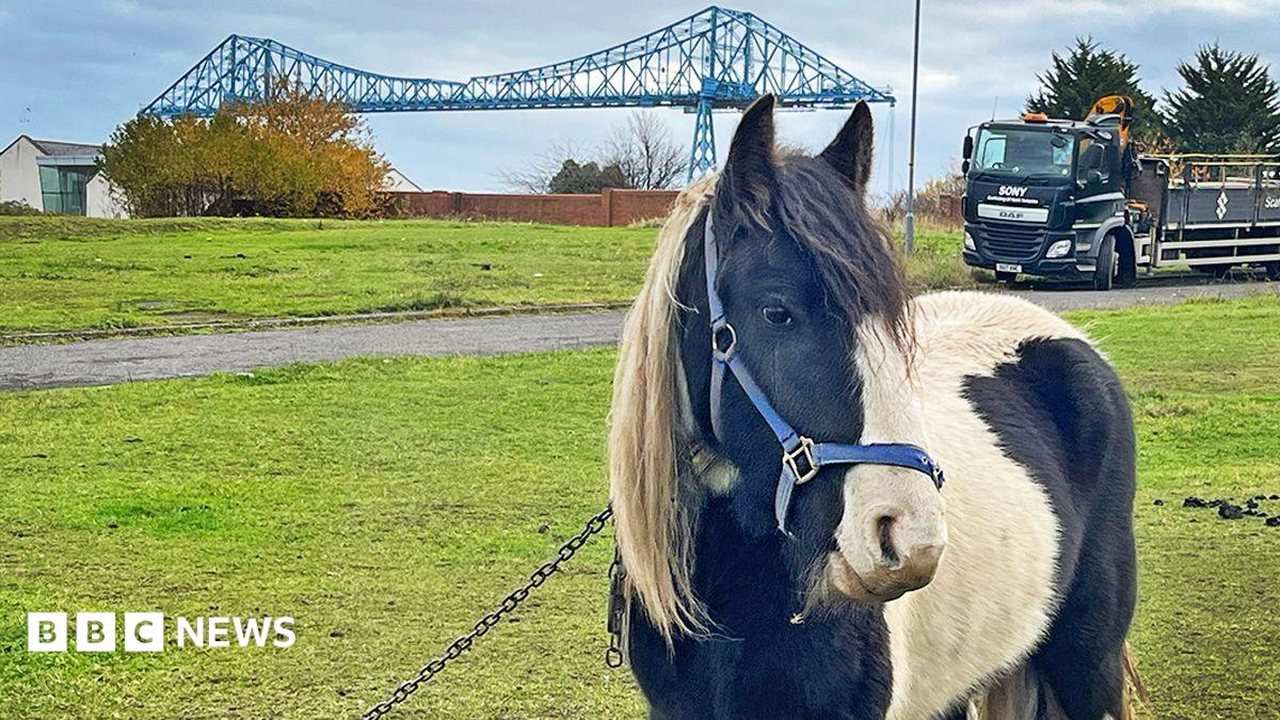
A quiet scene, a stark symbol
A short walk from Middlesbrough’s train station, six horses graze on a derelict riverside plot. The animals attract little comment from locals, but their presence marks a 22‑year failure to deliver a housing scheme first announced in 2004.
The numbers behind the grass
- Middlesbrough (Middlehaven) – Planned 2,400 homes; only 216 built (net gain of 31).
- York (York Central) – Planned 3,000 homes in 2001; none built until a 2024 green‑light for 2,500 homes slated for completion by 2040.
- Isle of Sheppey, Kent – Planned up to 2,000 homes; only 110 constructed since the 2009 “£400 m regeneration” claim.
Combined, the three schemes were meant to deliver 7,400 homes; to date 326 have been completed.
Why the promises have stalled
- Funding gaps – Middlesbrough’s £500 m estimate never existed; the council later admitted the figure was only an *estimate* of likely cost.
- Economic shocks – The 2008 financial crisis forced the departure of Middlesbrough’s development partner and delayed York’s masterplan.
- Planning bottlenecks – Experts such as Anthony Breach (Centre for Cities) note that England’s “large, complex schemes” are vulnerable: a single stalled site can skew national house‑building targets.
- Market constraints – Low sale prices on some sites mean private developers need public subsidies to bridge the gap between construction cost and revenue.
Recent attempts to revive the sites
- Middlesbrough announced in September 2024 a fresh plan for 462 homes, hoping to start a longer‑term programme of 3,400 units, but council officials stress the money may still be missing.
- York expects the first houses within two years once an access road is finished; the city council leader, Claire Douglas, calls the delay a “lack of fabric” to manage strategic projects.
- Sheppey is back at the planning stage after scaling the original 2,000‑home target to 1,180 in 2015; Homes England is now seeking early observations from housebuilders.
Wider context
The housing crisis is national: demand outstrips supply, and the Labour government’s pledge to build 1.5 million homes in England by the next election looks unlikely to be met. Mayor‑led development corporations are being promoted as a shortcut through the planning system, and a Ministry of Housing spokesperson said more than 130,000 homes have been “unblocked and accelerated” this year, backed by a £40 bn Social and Affordable Homes Programme.
How to verify the claims
- Check council minutes for Middlehaven (Middlesbrough Council) and York Central (City of York Council) – they record the original 2004/2001 commitments and subsequent revisions.
- Review the Construction Industry Training Board report (June 2024) for the estimated need for 206,000 new construction workers by 2030.
- Consult the Homes England website for the latest “early observation” invitation for the Sheppey site.
Practical implications for residents
- Housing availability – Delayed builds mean fewer affordable homes for local families and longer waiting lists for social housing (e.g., 1,800 households on Sheppey).
- Local economy – Missed jobs and commercial space reduce potential economic uplift; York’s council estimates lost “wealth, opportunities, a better‑performing economy.”
- Infrastructure – Unfinished access roads and missing amenities (e.g., a state‑of‑the‑art health centre on Sheppey) limit community benefits.
---
*The article is based on BBC News reporting from February 2025 and council statements; no new data have been added.*