Solar Energy Transforms Rural Malawi Amid Power Shortages, While Experts Urge Caution on Quality
· GlobeWire Daily Editorial Desk · Source: africabrief.substack.com
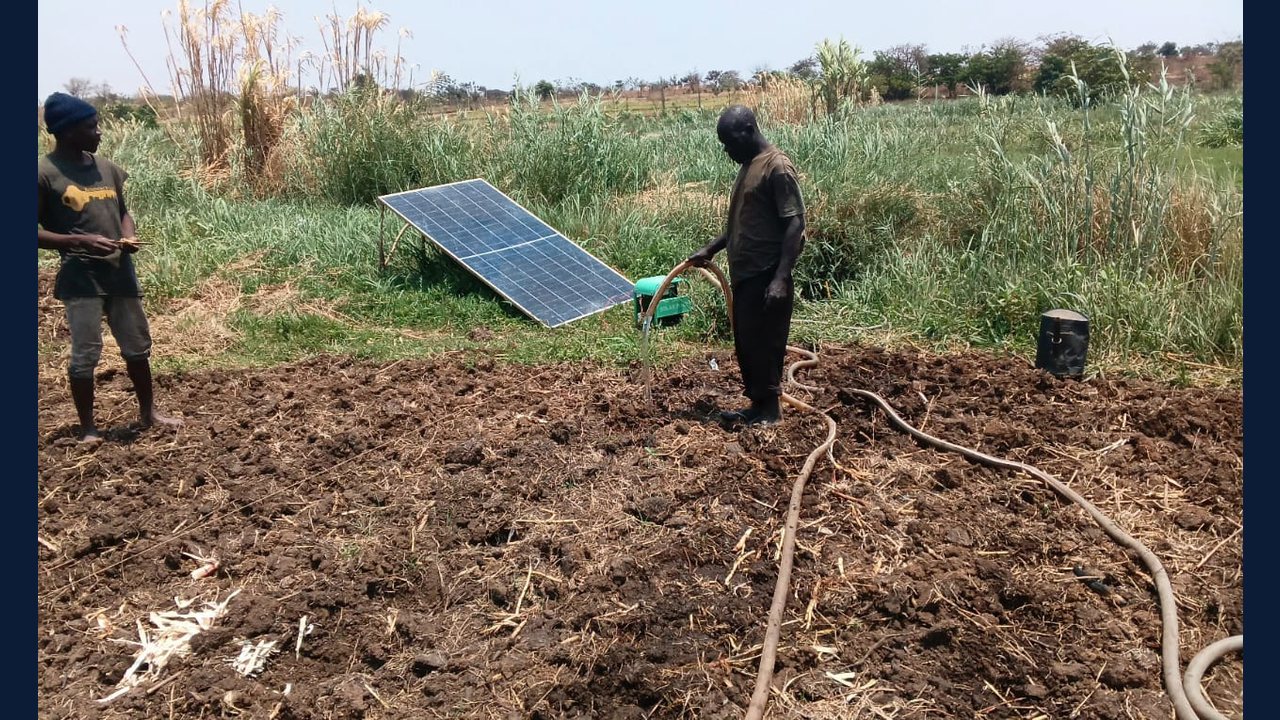
Rural communities in Malawi are increasingly turning to solar energy to support agriculture and daily life amid persistent national grid blackouts and limited hydro-power generation. Farmers and local experts report that imported solar products have expanded access to electricity, though civil society leaders emphasize the need for strict quality standards and regulatory oversight.
Agricultural and Domestic Impact
In villages such as Kalembo in Traditional Authority Chitukula, located on the outskirts of Malawi’s capital city, Lilongwe, farmers like 45-year-old Boma Chisenga utilize solar-powered water pumps to irrigate crops from local streams during dry seasons. Similarly, Alfred Khunda in Dowa District uses solar energy for both farm irrigation and home lighting. According to World Bank estimates, approximately 25.9% of Malawi’s population has access to electricity, with off-grid solutions accounting for a significant portion of rural access.
Government Strategy and Infrastructure
Minister of Energy Jean Mathanga has noted that the country’s hydro-power generation falls short of growing public demand. To stabilize the national grid and manage renewable energy fluctuations, the government commissioned a $20 million Battery Energy Storage System (Bess) in Lilongwe. Additionally, partnerships involving Chinese companies have contributed to local solar infrastructure projects, such as the Salima solar power plant and planned carports at Capital Hill.
Expert Perspectives and Calls for Regulation
While stakeholders acknowledge the benefits of accessible renewable technology, experts urge careful oversight. Michael Kaiyatsa, Executive Director at the Centre for Human Rights and Rehabilitation (CHRR), and Edgar Kapiza Bayani, Country Director at Community Energy Malawi (CEM), have highlighted the importance of enforcing product standards. They caution that Malawi must ensure imported equipment offers long-term durability, value for money, and sustainable local capacity-building rather than replacing one vulnerability with another.
More to read
 COP31 Climate Talks in Antalya, Turkey Overtime Amid Deep Deadlocks Over Fossil Fuels and Climate Finance
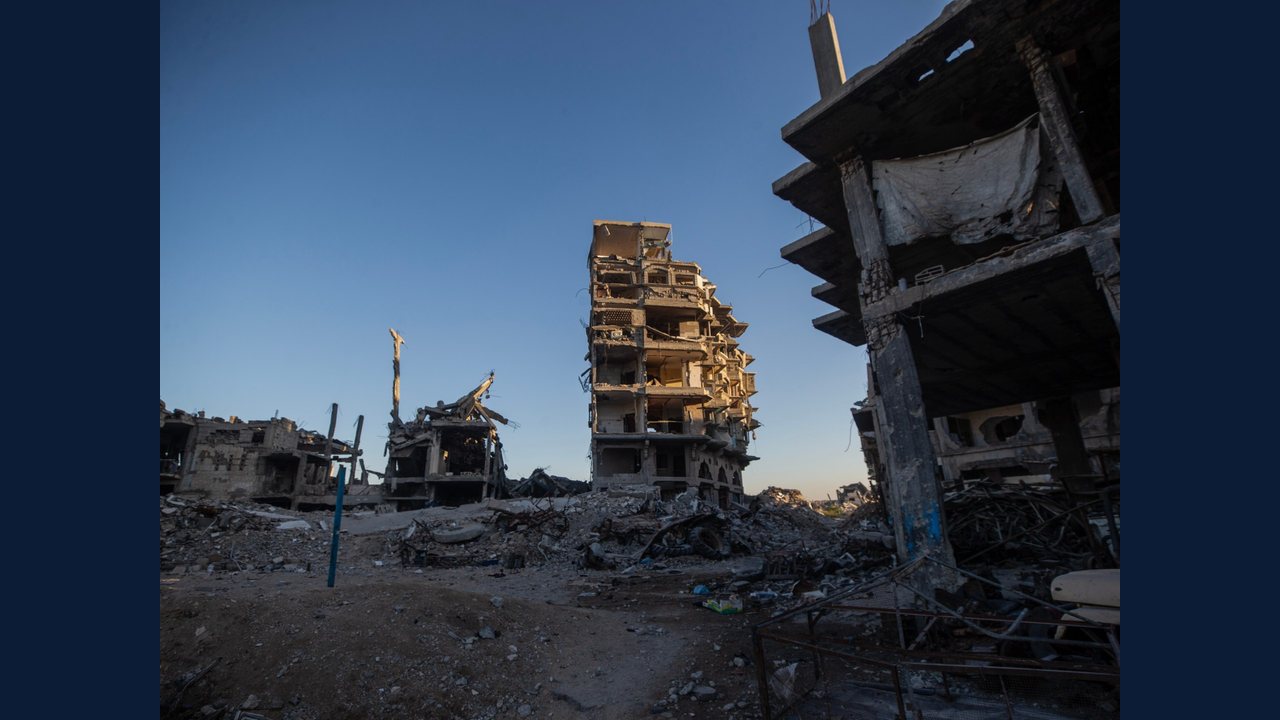 Displaced Palestinians Protest in Gaza Amid Continued Air Strikes
 Sri Lanka's NPP Government Concludes IMF Programme, While Unions and Environmentalists Raise Concerns
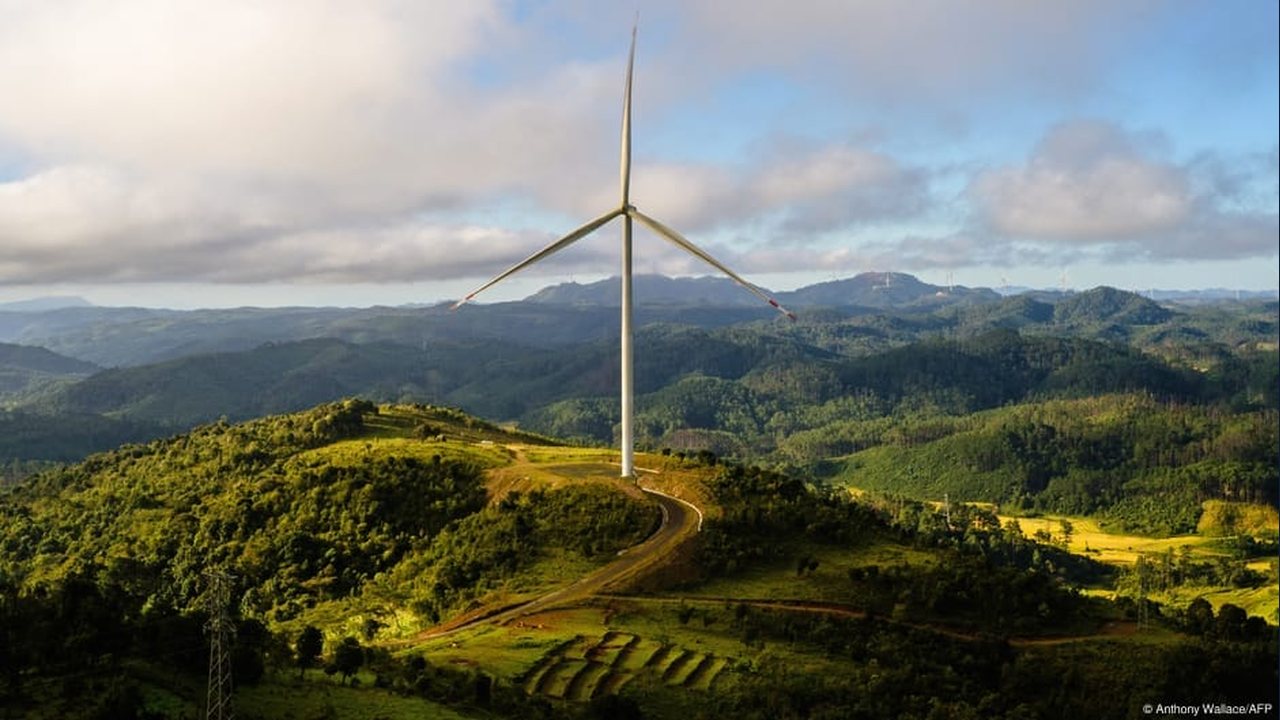 Laos Embarks on Wind Power Expansion with Southeast Asia's Largest Farm