Starling Murmurations Captivate Birdwatchers as New Survey Tracks Changes Over a Decade
· GlobeWire Daily Editorial Desk · Source: www.bbc.co.uk
Overview
Birdwatchers across Devon and Cornwall are eagerly joining a new citizen‑science survey led by the University of Gloucester to map the size and locations of starling murmurations. The effort updates a 2014‑16 study that recorded swarms ranging from 30,000 to over 750,000 birds across 23 countries.
What a murmuration looks like
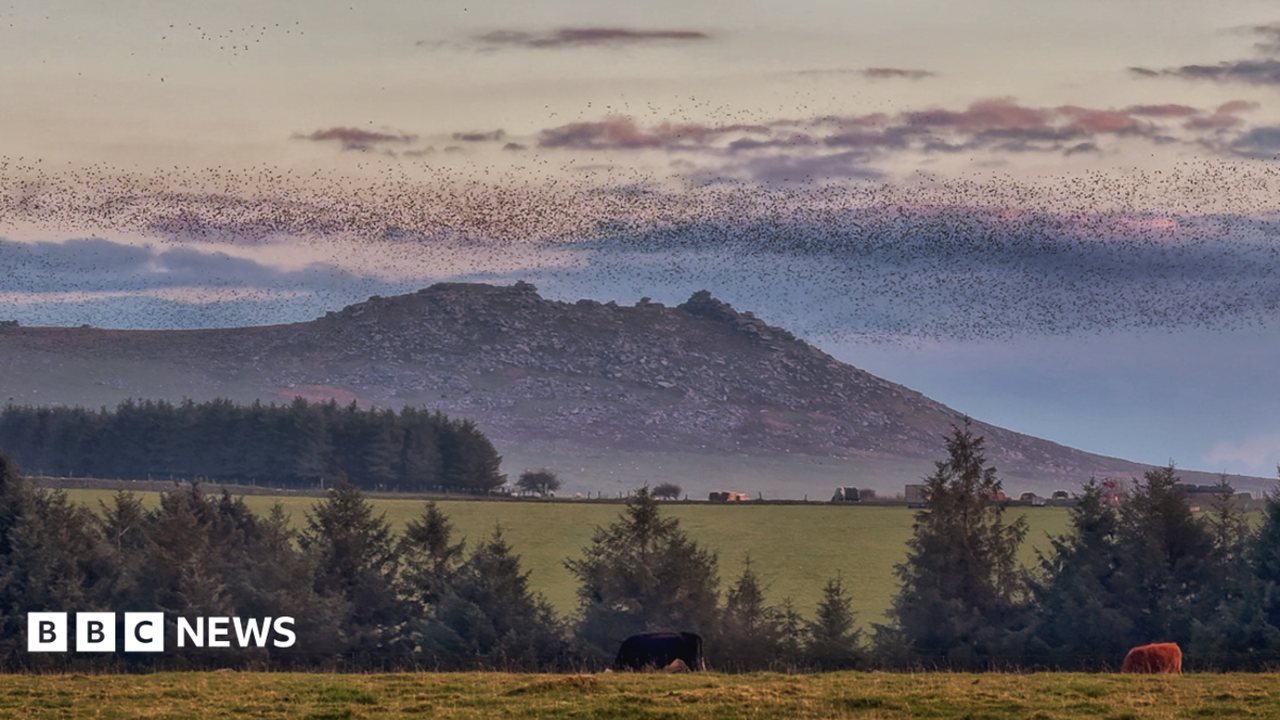
- Mass movement – thousands of starlings swoop, dive and twist in coordinated patterns before settling to roost.
- Sensory experience – observers report hearing a low, rolling murmur that fades to silence, described as “like someone switched off a light switch.”
- Visual impact – the shifting clouds of birds create a “hair‑raising” spectacle that photographers such as Peter Glaser call “absolutely enthralling.”
Key participants
- Mike Langman – Devon artist and guided‑tour leader, urges people to join “for the experience as much as anything else.” He highlights Countess Wear (near Topsham), Thurlestone and Slapton Ley as prime viewing spots.
- Peter Glaser – Cornwall photographer who has documented murmurs at Roughtor on Bodmin Moor; notes this year’s numbers appear “a marked improvement” over previous years.
- Adrian Langdon – Wadebridge photographer who spots flocks at Penzance rail and bus station and Marazion Marsh.
- Prof Adam Hart – Lead researcher at the University of Gloucester, stresses the need for accurate counts and records of any birds of prey present.
Survey goals
- Compare locations – Determine whether murmurations still occur at historic sites.
- Track population trends – Assess if overall starling numbers have risen, fallen, or remained stable.
- Predator presence – Record sightings of peregrine falcons, sparrowhawks and other raptors that may influence flock behaviour.
“We may see fewer birds, we may see fewer murmurations. We don’t really know and that’s the point of doing the survey,” said Prof Hart.
How to contribute
- Submit estimates – Provide the approximate number of birds you see, using the guidelines on the BBC Cornwall/Devon social‑media pages.
- Note predators – Record any raptor attacks, which earlier research linked to the protective swirling manoeuvre.
- Share locations – Include GPS coordinates or recognizable landmarks to help build a detailed map.
Practical implications
Accurate data will help ecologists understand how climate change, habitat loss and predator dynamics affect starling behaviour. It also informs local tourism, as spectacular murmurs draw visitors to rural sites.
Verifying the announcement
The survey is announced on the BBC Cornwall and BBC Devon websites and social channels. The University of Gloucester’s press release, linked from those pages, provides the official call for citizen scientists.
--- *Source: BBC article “Why starling murmurations thrill birdwatchers” (published 2 November 2024).
More to read
 Suspected Toxic Alcohol Kills 11 and Hospitalizes Over 180 in Northeast India's Manipur
 Three Charged Over Attempted Murder Following Aberdeen Incident
 French police open investigation into Gérard Depardieu and Michel Houellebecq over 2018 on‑set sexual assault allegations
 Iran’s IRGC Downs US Drone Over Hormuz as War Effort Talks Stall