Study Identifies Predictors of Pediatric Epilepsy Caregiver Burden in Southwestern Uganda
· GlobeWire Daily Editorial Desk · Source: bioengineer.org
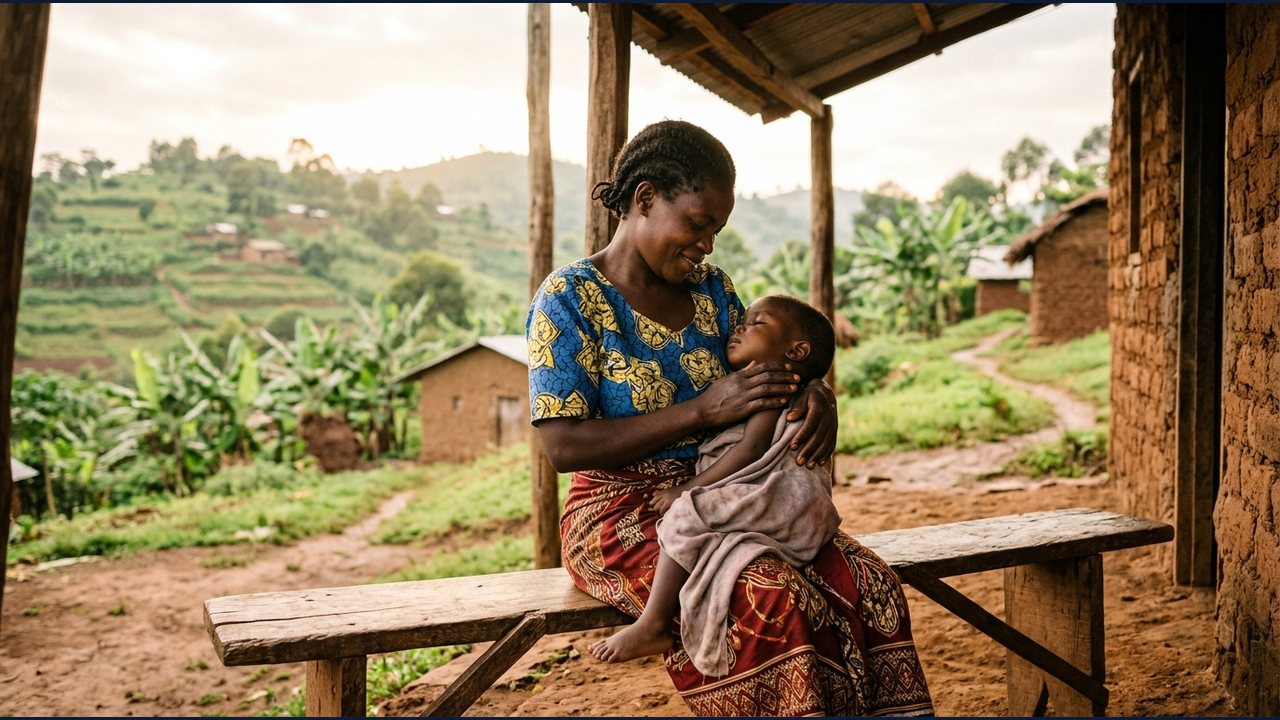
A cross-sectional investigation conducted in Rubanda District, southwestern Uganda, has evaluated the factors influencing caregiver strain among primary family members supporting children with epilepsy. Published in *Epilepsy & Behavior Reports*, the study highlights that nearly six in ten participating caregivers experienced measurable burden, with recent seizure frequency and female gender emerging among the primary predictors of elevated strain.
Background and Study Methodology
Pediatric epilepsy remains a prevalent neurological condition globally, presenting severe public health challenges in low- and middle-income nations. In rural sub-Saharan Africa, families frequently navigate systemic hurdles such as delayed diagnoses, limited access to specialized neurological care, and social stigma. To examine domestic caregiving strain in this context, researchers focused on Rubanda District, a mountainous region characterized by subsistence farming and a lack of specialized mental health facilities.
- Study Population: Researchers surveyed 288 primary caregivers of children diagnosed with epilepsy.
- Data Collection Sites: Participants were recruited between January and March 2024 via Hamurwa Health Centre IV and Muko Health Centre IV.
- Assessment Tool: Caregiver burden was measured using the 22-item Zarit Burden Interview, evaluating emotional, physical, social, and financial stress.
Key Findings and Predictors of Strain
Among the 288 participating caregivers, the study reported that 59.8 percent experienced some level of caregiving burden. Specifically, 40.3 percent reported little or no burden, 50.4 percent reported mild to moderate burden, 9.0 percent experienced moderate to severe burden, and 0.4 percent faced severe burden.
Multivariable linear regression analysis identified several independent predictors associated with higher burden scores:
- Seizure Activity: Recent seizure occurrence within the preceding three months served as the strongest clinical predictor of elevated burden.
- Medication Assistance: Caregivers assisting children unable to take antiepileptic treatments independently reported significantly higher strain.
- Disease Duration: Longer duration of epilepsy correlated with increased cumulative burden scores.
- Caregiver Demographics: Older age and female gender were independently associated with higher stress levels.
Practical Implications and Study Limitations
The authors noted that cross-sectional data preclude definitive causal conclusions and that facility-based sampling limits generalizability to households not reached by local health centers. To help mitigate domestic strain, the researchers recommended routine clinical burden screening, reliable supplies of antiepileptic medications, and structured psychosocial education tailored for older and female caregivers.
How to Verify
Readers can review the original peer-reviewed paper titled "Caregiver burden and associated factors among primary caregivers of children with epilepsy in southwestern Uganda," published in *Epilepsy & Behavior Reports* (2026), authored by G. B. Amooti, M. E. Bikaitwoha, J. Namanya, and H. E. Ainamani, accessible via its DOI: 10.1016/j.ebr.2026.100880.