Systemic Analysis Reveals Key Gaps in Agricultural Mechanization Across Developing Nations
· GlobeWire Daily Editorial Desk · Source: bioengineer.org
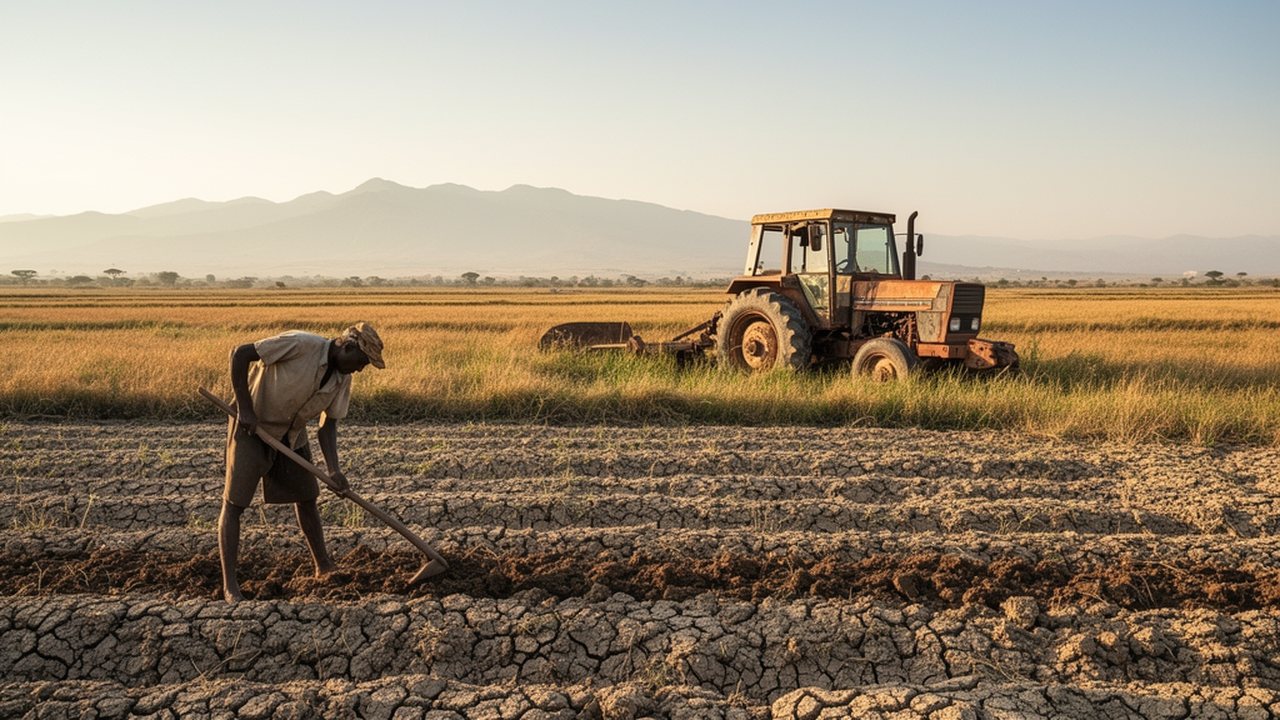
A recently published study in *Agronomy for Sustainable Development* examines national agricultural mechanization innovation systems across low- and middle-income countries. Researchers Chloé Bouvard and Teatske Bakker evaluated how farm motorization outcomes depend on stakeholder configurations, institutional frameworks, and local agroecological environments rather than solely on equipment supply.
Core Findings and Analytical Framework
To move beyond micro-level plot assessments, the authors constructed an integrated model combining an agricultural mechanization innovation system (AMIS) perspective, defined mechanization models, and a theory-of-change framework. The study tested this approach through a comparative analysis of four countries: Benin, Ghana, Kenya, and Bangladesh, drawing on scientific literature, policy documents, and semi-structured interviews with 13 development and research experts.
- Service Provision Dominance: Across all studied nations, direct machine ownership remains concentrated among wealthy or large-scale landowners due to high capital costs. Smallholders predominantly rely on hiring machinery and operators through custom-hiring services.
- Technical Contrasts: Benin, Ghana, and Kenya primarily utilize medium to large four-wheel tractors (35 to 60 horsepower) with disc ploughs for land preparation. In contrast, Bangladesh adopted smaller two-wheel power tillers following policy shifts in the late 1980s, covering roughly 80 percent of cultivated land by the late 2010s.
- Downstream Labor Bottlenecks: Mechanizing land preparation without updating downstream tasks frequently shifted intensive manual labor onto unmechanized cropping stages or increased chemical herbicide usage.
Structural Risks and Institutional Transitions
The research highlights challenges associated with historical and privatized delivery models. While nations have transitioned away from state-run hire schemes toward privatized or hybrid systems, private contractors operating without price regulation often favor larger, accessible fields during peak planting windows. This dynamic can marginalize remote smallholders.
Furthermore, task-specific mechanization often reinforces gender inequalities. Public and commercial programs frequently target land preparation tasks traditionally performed by men, leaving manual weeding and harvesting—often performed by women—unmechanized.
Practical Implications and Verification
The study underscores that agricultural mechanization models cannot be directly transposed between nations. Researchers conclude that policy strategies must prioritize local training, maintenance infrastructure, and context-specific agroecological systems over simple equipment distribution. Readers can verify the original findings through the published study in *Agronomy for Sustainable Development* (DOI: 10.1007/s13593-026-01159-x).