Two Schools Join Forces to Find Stem Cell Donor for Warwickshire Teacher
· GlobeWire Daily World Desk · Source: www.bbc.co.uk
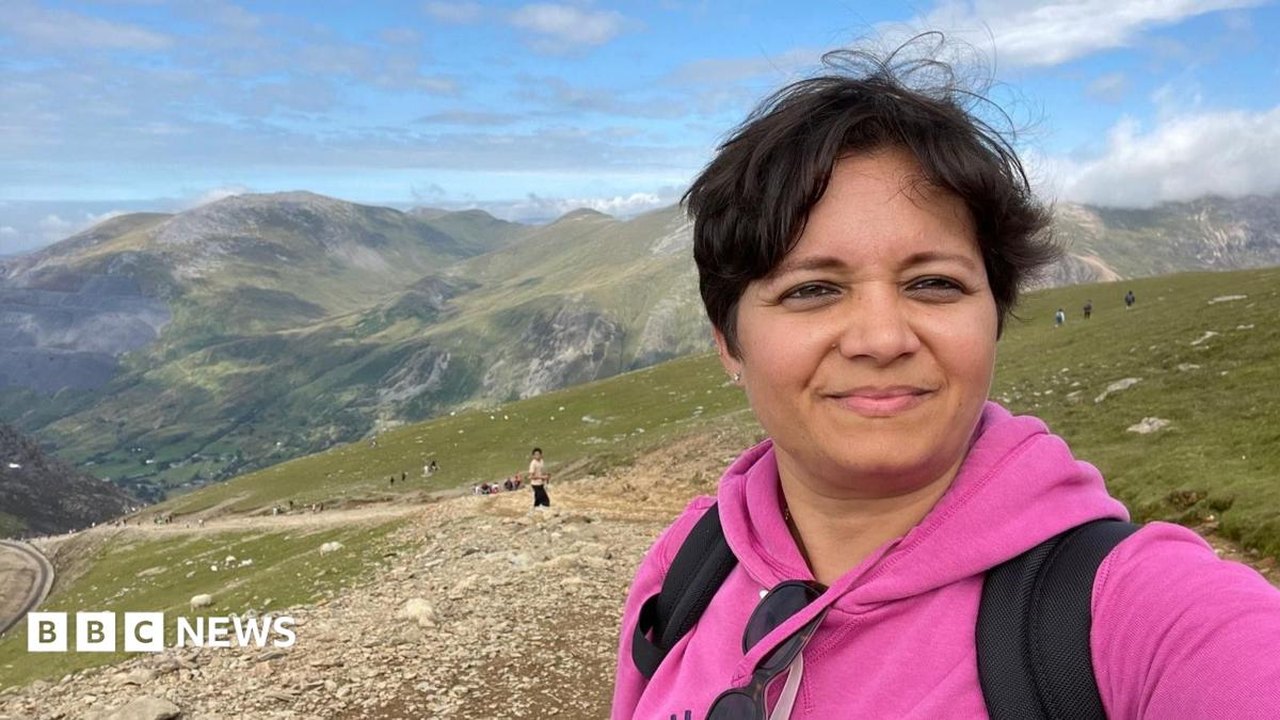
Image: BBC News · Photo source · Resized and letterboxed to 16:9; no AI generation
Two schools in Warwickshire, England, have organized an upcoming donor registration event to help Saurabhi Bhave, a 46-year-old teacher diagnosed with acute myeloid leukaemia.
Saurabhi Bhave collapsed earlier this year at St John's Primary and Nursery in Kenilworth and was subsequently diagnosed with the condition. She is currently undergoing chemotherapy while doctors search for a compatible stem cell donor. According to blood cancer charity DKMS, finding a match may be more challenging due to her Indian heritage, as people from UK minority ethnic backgrounds are underrepresented on the donor register.
Community Support and Registration Events
To address the need for a donor, St John's Primary and Nursery and Michael Drayton Junior in Hartshill, Nuneaton, are hosting a joint registration event.
- Event Date: Saturday
- Time: 10:00 to 15:00 GMT
- Organizers and Volunteers: Around 80 parents and teachers are helping coordinate the drive.
A social media post sharing Ms. Bhave's story has reportedly generated over a million engagements. Head teacher Adam Lee stated that the community rallied after learning a suitable stem cell match had not yet been found. He also noted that Ms. Bhave expressed a desire to help others facing blood cancer even if a direct match for her is not found during the drive.
How Stem Cell Donation Works
According to DKMS representative Deborah Hyde:
- Registering requires a simple cheek swab.
- About one in 800 people who sign up are eventually called to donate.
- Nine out of ten donations are collected via the blood, a process similar to collecting blood platelets.
- Transplants are not a guaranteed cure, but can provide patients with more time and hope.
Individuals unable to attend the physical events can register independently via the DKMS website. Official updates and announcements can be verified directly through reporting outlets such as the BBC and official charity channels.
AI-assisted reporting; source claims are attributed and have not been independently verified.
More to read
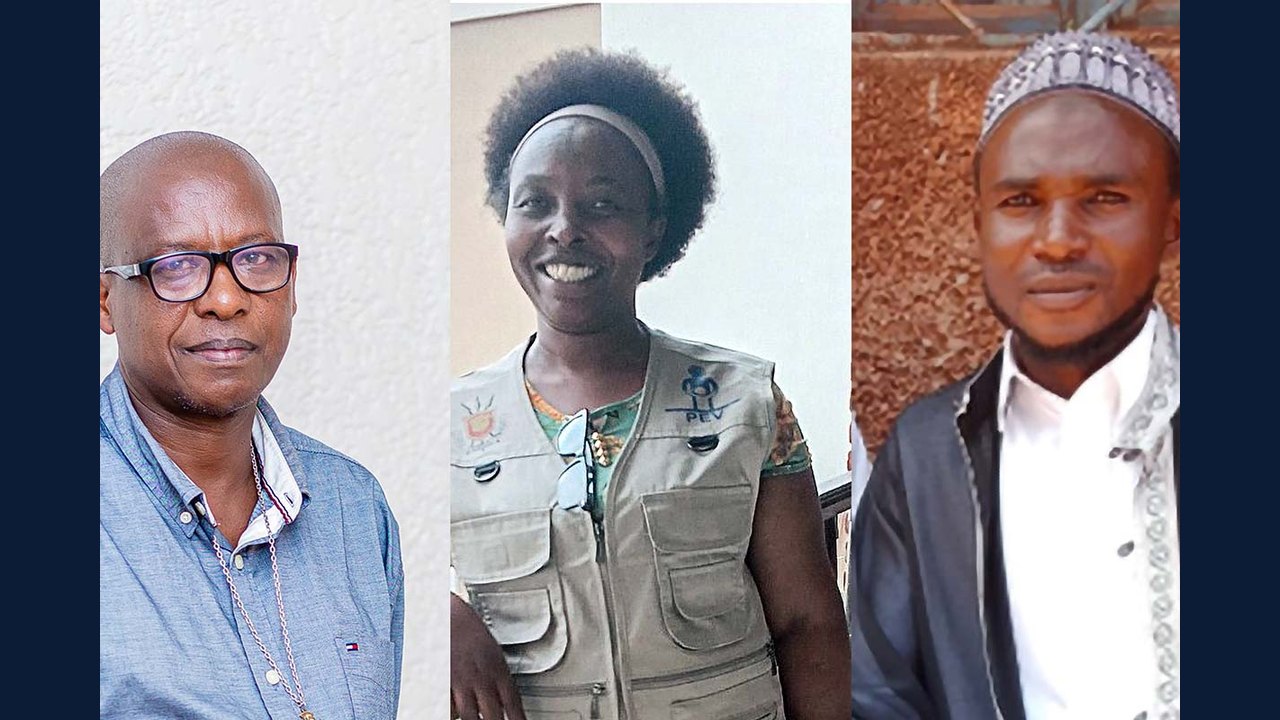 Faith Leaders and Health Workers Join Forces to Boost Immunisation in Burundi
 Johnny Knoxville and Two Others Join Sony’s Fake Skating Movie Cast
 Deoria: Wires and Poles Remain in Schools Two Months After District Magistrate's Order
 Bel-Mac Roofing and Seashore Construction Join Forces in Northwest Florida