What does the Milburn report mean for Scotland?
· GlobeWire Daily World Desk · Source: www.bbc.co.uk

Image: BBC News · Photo source · Resized and letterboxed to 16:9; no AI generation
A recently published review authored by former Labour minister Alan Milburn has proposed wide-ranging changes to tax, welfare, and education aimed at helping young people enter the workforce. According to the Office for National Statistics, nearly one million individuals aged 16 to 24 across the UK are not in education, employment, or training (Neet), representing a rate of 13%. The report sets out an ambition to reduce this figure to 5% within a decade.
However, questions have been raised regarding how the proposals apply to Scotland, given that areas such as education, skills, health, and local government are devolved to Edinburgh, Cardiff, and Belfast.
Key Proposals and Focus Areas
- Youth Support: The report suggests creating a new "single front door" service called a Youth Opportunity Service, expanding technical education, increasing apprenticeships, and improving mental health support.
- Cross-Government Collaboration: Milburn recommends that the UK and devolved governments agree on common definitions, shared headline outcomes, and regular joint reviews.
- Employer Incentives: The review proposes lower national insurance costs for individuals aged 21 to 24 and financial incentives for employers hiring Neet individuals.
Implications for Scotland
While the report addresses a UK-wide problem, much of its text and proposed architecture focus on English structures. Scottish education secretary MÃ iri McAllan noted that many recommended reforms for England reflect approaches Scotland has already embedded over many years, while also attributing youth challenges partly to Brexit and austerity.
First Minister John Swinney stated that his government would carefully consider the report's contents and how they relate to practices in Scotland. He also emphasized that any shifts in UK spending on social security and employment support could have a knock-on impact on Scotland's budget.
Welfare Systems and Funding Concerns
The Scottish government operates a distinct devolved welfare system, replacing certain UK benefits with payments such as the adult disability payment (ADP). However, other benefits like Universal Credit remain reserved to Westminster. Organizations such as the Joseph Rowntree Foundation have expressed concern that proposed UK-wide welfare or disability benefit cuts could directly impact young disabled people in Scotland, as devolved funding models are often tied to equivalent UK spending.
Alternative Perspectives
Scottish entrepreneur and philanthropist Sir Tom Hunter, who carried out a similar review in Scotland 20 years ago, criticized recent national insurance increases and regulations affecting employers. He suggested that the government should cover half of a young person's wages for their first two years and exempt them from tax during that period to incentivize hiring.
Politicians and policymakers across the UK continue to review the extensive report, though it does not provide a specific, tailored blueprint for implementation in Scotland.
AI-assisted reporting; source claims are attributed and have not been independently verified.
More to read
 End of SIR Does Not Mean Freezing of Voters' List, Supreme Court Clarifies
 Uncertainty surrounds the future of Scotland's TRNSMT music festival
 A Visual Tour of Scotland: November 2024 Reader Submissions
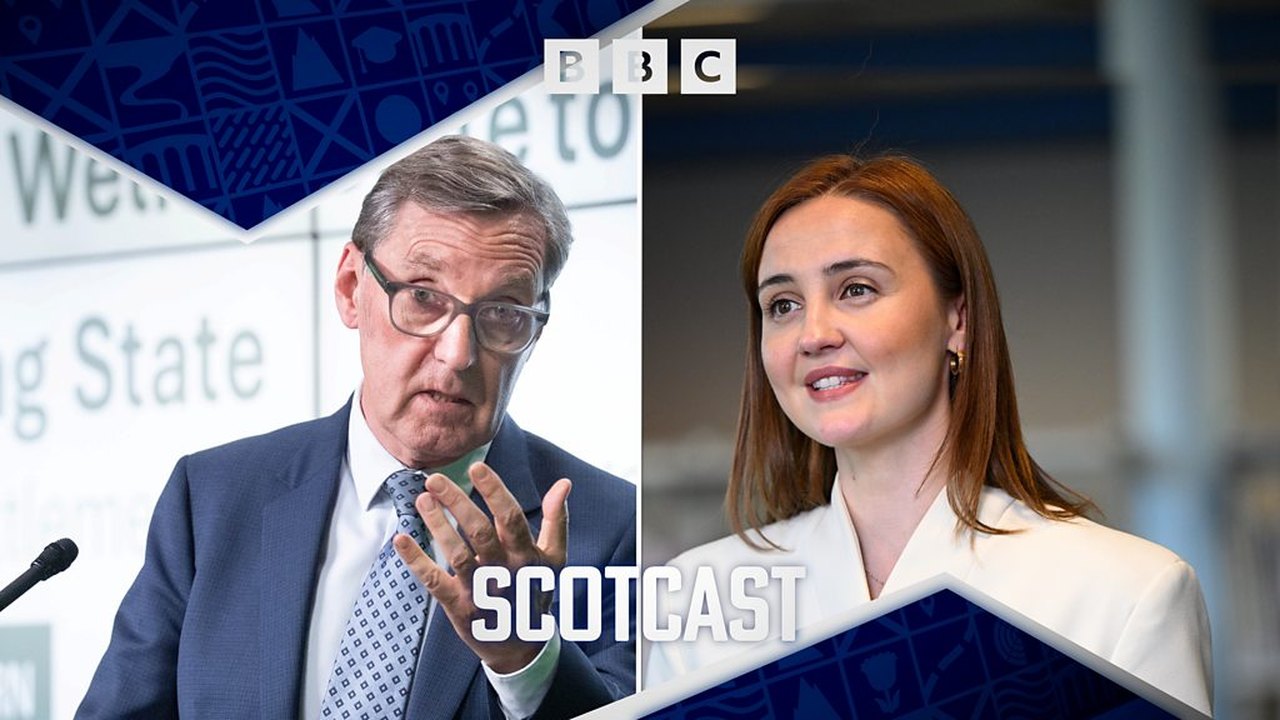 BBC Scotcast Examines Scottish Government Response to Alan Milburn NEETs Report