When Factory Machines Go Quiet, Who Pays? An Investor's Perspective
· GlobeWire Daily Editorial Desk · Source: www.thedailystar.net
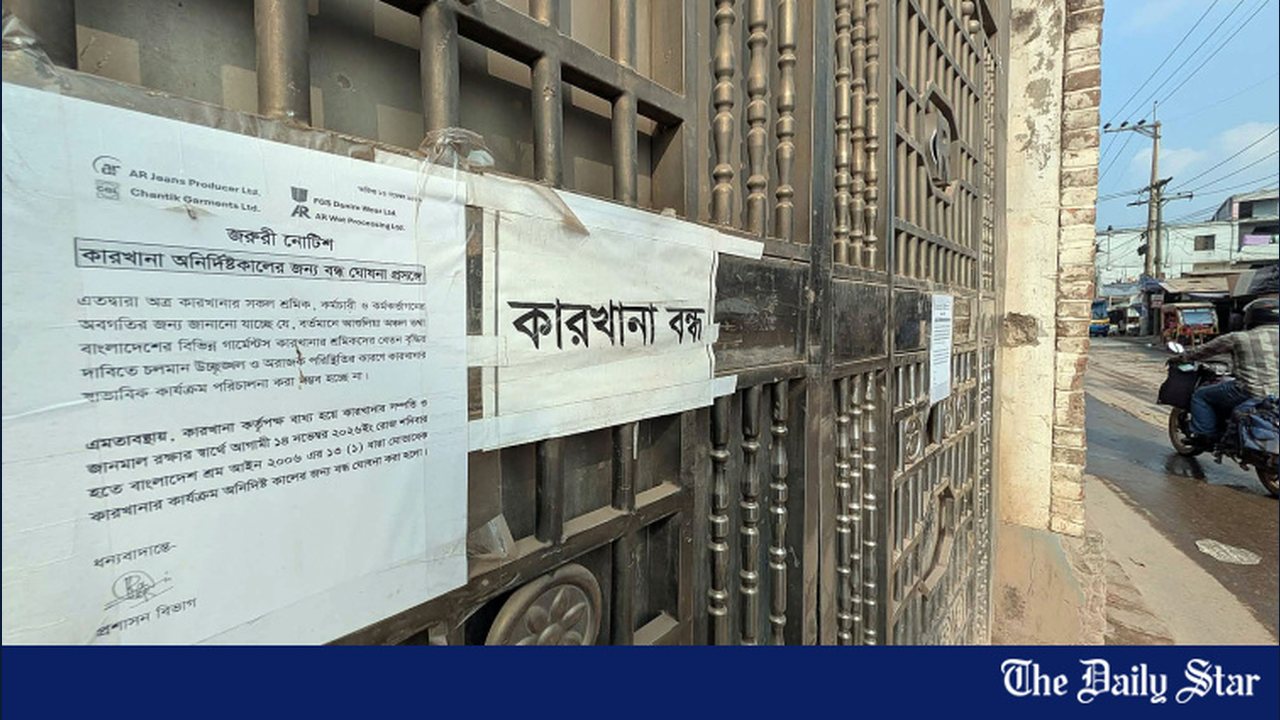
Recent work stoppages and protests in garment factories across Bangladesh have spotlighted intense financial and social pressures facing both manufacturers and workers. According to an opinion piece published by The Daily Star and authored by Mohammadi Group Chairperson and former BGMEA President Rubana Huq, the current disruptions involve intermittent closures of hundreds of factories, highway blockades, and reported incidents of violence including police vehicles set alight, over 50 injuries, and two worker deaths as reported in media headlines.
The Manufacturer's Financial Squeeze
Exporters face mounting operational costs against stagnant buyer prices. Key cost factors highlighted include:
- Production costs: The cost to produce a $5 FOB (free on board) garment rose from $1.46 in December 2023 to $1.80, a 23 percent increase, while buyer prices largely remain unchanged.
- Utilities and Tariffs: BGMEA data cited gas prices rising over 280 percent and electricity up by 33 percent over five years, alongside a 41 percent increase in port charges this year, bank interest rates at 14 to 15 percent, reduced export incentives at 0.3 percent, and US tariffs of 10 to 20 percent applied since August 2025.
- Closures and Job Losses: BGMEA figures indicate that at least 287 factories have closed and roughly 175,000 workers have lost their jobs since January 2023.
The Worker's Economic Reality
On the labor side, inflation and wage dynamics present severe challenges:
- Inflation Impact: Annual inflation around nine percent has reduced the purchasing power of the December 2023 minimum wage of Tk 12,500 (previously worth about $113, now approximately $101).
- Overtime Dependence: Many workers rely on overtime to take home Tk 19,000 to Tk 20,000 monthly.
- Rural Ripple Effects: Factory closures halt wages, impacting families in regions like Kurigram where remittances, food security, and children's schooling are disrupted.
Broader Economic Implications
The garment sector accounts for roughly four-fifths of Bangladesh's exports, earning $38.70 billion in FY2025-26. The widespread disruptions threaten the broader economy, where 32.17 percent of bank loans are reportedly in default, and risk driving international buyers toward competitors in Vietnam or India.
Proposed Solutions
The author outlines four key steps to address the crisis:
- Wage Board Action: Settle on a sustainable wage revision matched by buyers.
- Price Adjustments: Increase product prices to reflect rising operational costs rather than eroding non-existent margins.
- Government Support: Provide stable energy prices, cheaper working capital, and safety nets.
- Worker Leadership: Keep movements orderly, noting that arson and vandalism ultimately harm workers.
Readers can verify these details and context by reviewing official trade data from the BGMEA and announcements from the minimum wage board.
More to read
 French Court Convicts Three Police Officers Over Racially Motivated 2020 Assault on Music Producer Michel Zecler
 Coed Cadw Confident in Raising £13m to Purchase Nannau Estate in Gwynedd
 European Cucumber Market Faces Supply Shifts as Spanish Production Struggles
 Rare audio recording of long-lost children's television show Whirligig discovered