Why Young Nigerians Struggle to Shape Politics Despite Population Majority
· GlobeWire Daily Editorial Desk · Source: www.bbc.co.uk
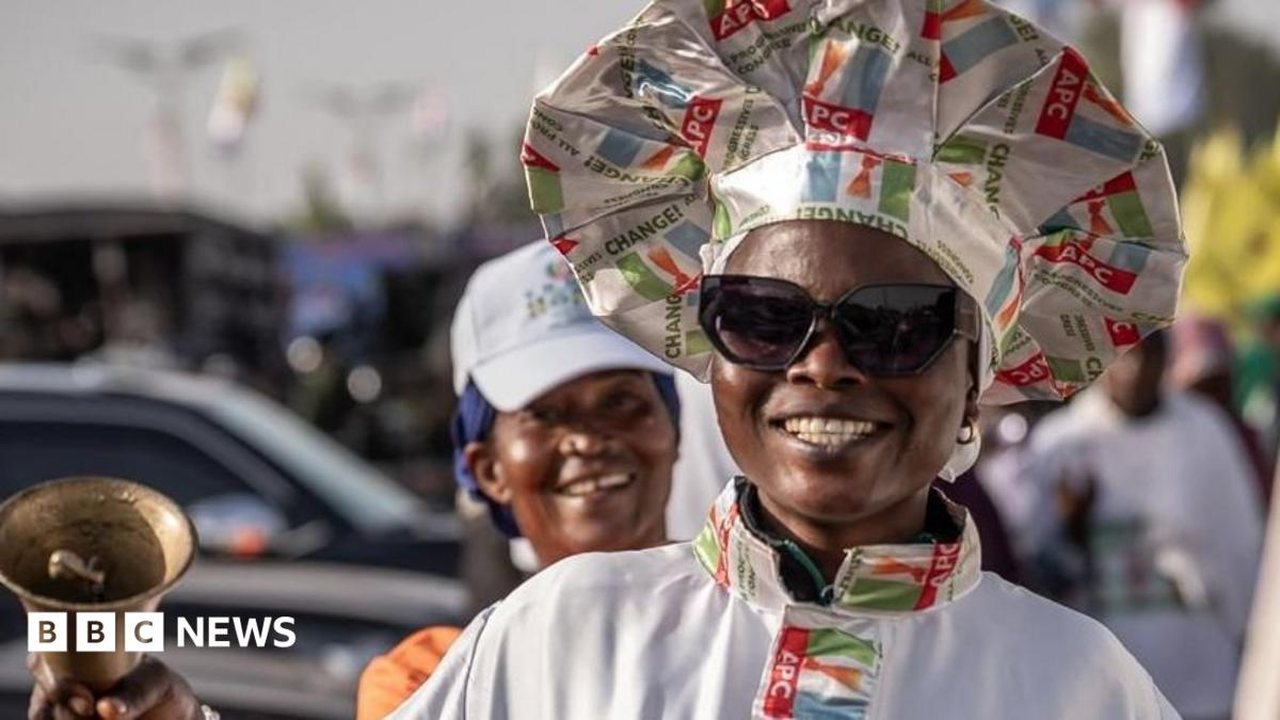
As Nigeria prepares for upcoming general elections, a central question remains why the country's youth—who make up about 80% of the population—struggle to translate their demographic weight into political power. According to BBC reporting, older politicians continue to dominate the political landscape, with major presidential candidates and key lawmakers well past the age of forty.
Generational Divide and Leadership Age
Nigeria's political history since the return to civilian rule in 1999 shows a trend of older leadership. President Bola Tinubu is 74, while prominent challengers like Atiku Abubakar and Peter Obi are 79 and 65, respectively. Among 18 presidential candidates, only one is under the age of 40. In the National Assembly, no senators are under 40, and only 14 members of the House of Representatives fall into that bracket.
Financial and Systemic Barriers
For young aspirants like 38-year-old state assembly candidate Abdulhadi Dalhatu and former House of Representatives aspirant Fatima Zahra Umar, money is a primary obstacle. Running for office in Nigeria is exceptionally cash-intensive. Major political parties, including the ruling All Progressives Congress (APC) and the Peoples Democratic Party (PDP), set high nomination fees—such as 100m naira for presidential hopefuls—while statutory campaign spending limits remain high. Dalhatu noted that he has previously had to abandon campaigns due to a lack of funds.
Voter Disillusionment and Registration Trends
While previous youth-led movements, such as the 2020 EndSars protests and the social media-driven "Obedients" campaign supporting Peter Obi in the previous election, demonstrated significant mobilization capacity, sustained electoral participation has waned. Official figures show that registration among those under 35 has fallen, with young people now accounting for 29% of registered voters, down from 40% in 2023. Independent National Electoral Commission (Inec) efforts, including appointing entertainment industry ambassadors, have yet to reverse this trend significantly.
Practical Implications and Verification
Observers note that beyond financial hurdles, cultural factors and a preference for social media commentary over active political organization hinder youth influence. Readers seeking to verify details regarding Nigeria's electoral framework and candidate eligibility can consult official statements from Inec and reports published by the BBC.
More to read
 Young woman missing in Gola Bazar: Cash and jewelry also missing from home, police register case
 Maharajganj Traffic Police Issue Challans to 60 Vehicles Over Speeding
 Jaunpur: Main accused in Scorpio‑run‑over case arrested, search continues for mother, brother and others
 Police Arrest Firing Suspect in Varanasi Hotel After Cutting Door Open with Grinder