AI Discovery Reveals Decade-Old Security Vulnerability in Java
· GlobeWire Daily Editorial Desk · Source: www.bbc.co.uk

Image: BBC News · Photo source · Resized and letterboxed to 16:9; no AI generation
Overview of the Java Vulnerability
A cyber-security start-up, Calif, has utilized artificial intelligence to identify a significant memory management flaw within the Java programming language. Known as 'Java4Shell,' the vulnerability reportedly existed for approximately 12 years before its recent discovery. Java is a foundational technology used by 90% of Fortune 500 companies, including major financial, aviation, and telecommunications entities.
Potential Security Implications
The flaw allows for remote command execution within Java's memory system. Security researchers highlight several concerns regarding this discovery:
- System Integrity: Memory-based attacks are a common method for crashing or exploiting enterprise systems.
- Pervasiveness: Because Java underpins global economic infrastructure, the potential scope of vulnerability is extensive.
- AI's Role: Experts, including Professor Toby Walsh, note that AI is accelerating the detection of obscure, long-standing flaws that traditional manual auditing might overlook.
Status of Fixes and Response
- Oracle's Action: Java owner Oracle released a 'critical patch update' on Tuesday; however, the company has not explicitly acknowledged the specific 'Java4Shell' bug in its public statements.
- Exploitation Risks: While the vulnerability was initially identified using OpenAI’s unreleased GPT-6 Cyber model, there are concerns that malicious actors could now independently rediscover the flaw.
- Impact Reports: As of the latest updates, there is no confirmed evidence that the identified bug is responsible for recent outages at the NSA or major US banking institutions.
Recommendations
Security professionals suggest that organizations verify their current system configurations and apply the latest patches issued by Oracle. Users are advised to monitor official security bulletins for further guidance on mitigating potential risks.
AI-assisted reporting; source claims are attributed and have not been independently verified.
More to read
 AI Uncovers Critical Java Security Flaw Amid Growing US Technology Disruptions
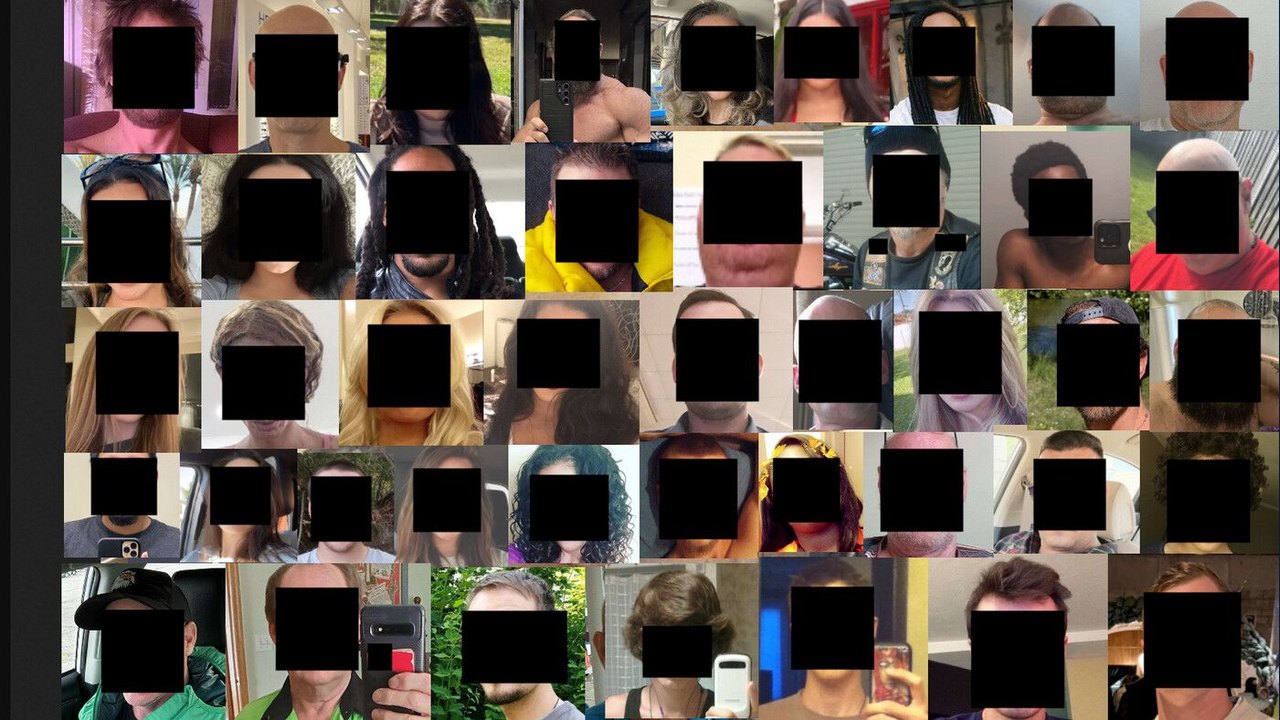 Massive Kik Data Breach Exposes Over 150 Million Profile Images, Security Researcher Reveals
 TeamViewer Issues Security Patch for Critical Vulnerability (CVE-2026-111585)
 Pompeii Wardrobe Discovery Reveals Ancient Roman Personal Items and Child's Necklace