Artificial Intelligence
CAA’s Bryan Lourd Calls on Congress to Pass the “No Fakes Act” to Safeguard All Americans’ Digital Likeness
· GlobeWire Daily Editorial Desk · Source: deadline.com
Summary
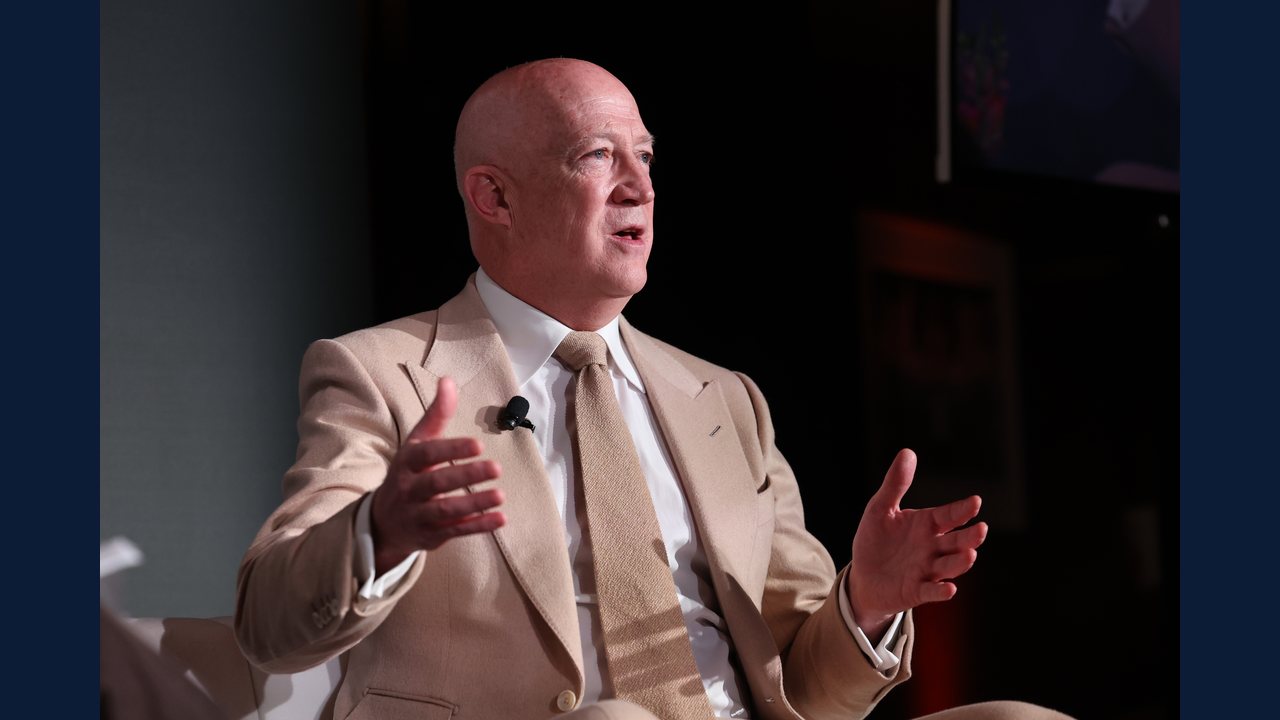
Bryan Lourd, co‑chairman of Creative Artists Agency (CAA), has written an op‑ed in *The New York Times* urging the full U.S. Congress to move the No Fakes Act through both chambers and send it to the President for signature. The bill would create a federal prohibition on non‑consensual digital replicas of a person’s voice or likeness, regardless of fame.
Confirmed Details
- Legislative status: The No Fakes Act cleared the Senate Judiciary Committee unanimously in June 2026. Lourd says there is “momentum to pass it through the full Congress before the end of the year.”
- Bill’s core provisions: The legislation would require permission and compensation before anyone can use a person’s image, voice, or performance in AI‑generated content. It aims to replace a patchwork of state laws that were written for an analog world.
- Supporters: The bill is backed by a broad coalition, including SAG‑AFTRA, the Motion Picture Association, and tech firms such as IBM, Google, and OpenAI.
- Lourd’s argument: He frames the issue as a matter of “control, consent and compensation” for creators and everyday citizens alike. He cites a case where a content creator discovered an AI‑generated voice of hers being used in a YouTube ad for erectile‑dysfunction medication, highlighting the legal gray area.
Reported Claims
- Lourd claims the No Fakes Act is “one of the few AI bills with true bipartisan support.”
- He suggests that the entertainment industry “is not afraid of new technology” and that many artists are already licensing AI likenesses on their own terms.
- He asserts that existing federal and state rules already require permission and payment for the use of a person’s creative work, and the new law would simply codify those principles for AI.
Unknowns / Open Questions
- The exact timeline for a full congressional vote remains uncertain; Lourd hopes for action before year‑end, but no specific dates have been set.
- It is unclear how the bill will address enforcement mechanisms or penalties for violations.
- While several tech companies have expressed support, the stance of other major AI developers has not been detailed in the source.
Practical Implications
- For creators: If enacted, the law would give artists, musicians, and everyday users a clear legal pathway to demand compensation when their likeness is used by AI tools.
- For businesses: Companies developing AI‑generated media would need to implement consent‑verification processes and potentially renegotiate licensing agreements.
- For the public: Individuals could more easily challenge unauthorized deep‑fake videos or audio that appear to feature them.
How to Verify
- Check the official congressional record for the No Fakes Act’s progress after June 2026.
- Review the *New York Times* guest essay by Bryan Lourd (published November 2026) for his direct statements.
- Follow updates from the Senate Judiciary Committee and statements from SAG‑AFTRA, the Motion Picture Association, and the tech firms mentioned.
Keywords
["No Fakes Act","Bryan Lourd","CAA","AI legislation","digital likeness protection","SAG‑AFTRA","deep‑fake law","consent and compensation","Congress","AI policy"]
Share this article
Read the original source CAA’s Bryan Lourd Urges Congress To Pass AI Legislation To Protect Americans “Famous Or Not”
More to read
 Anthropic Employee Claims Proof of Riemann Hypothesis Using Claude AI
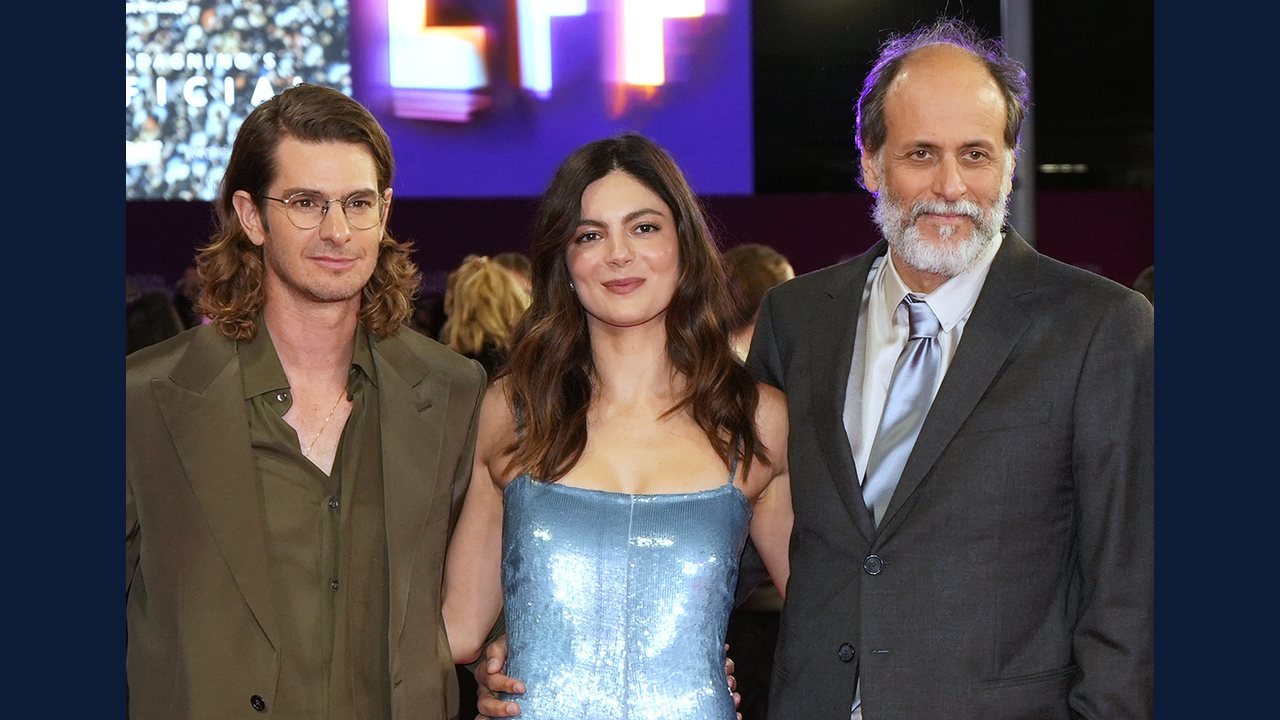 Luca Guadagnino’s ‘Artificial’ Set for Limited Christmas‑Day Release Amid AI Debate
 UK Actors Union Equity Puts Final Pact Offer to Member Vote Featuring AI Protections and Pay Bumps
 Google Brings 'Computer Use' Automation Feature to Gemini Mac App