DIY AI‑Powered Pocket‑Watch Shows What Meta’s Muse Charm Could Become
· GlobeWire Daily Editorial Desk · Source: www.theverge.com
Original GlobeWire Daily editorial illustration — not an event photograph.
A hobbyist builds a “Tamagotchi‑style” AI companion before Meta’s official launch
A developer‑in‑training bought a $50 Waveshare ESP32‑S3 1.75‑inch touchscreen pendant from China and, using Meta’s open‑source Muse code, turned it into a wearable AI assistant that mimics the look of Meta’s upcoming Muse Charm. The project, described in a recent The Verge feature, demonstrates both the flexibility of Meta’s Muse platform and the challenges of turning a tiny hardware kit into a functional, voice‑enabled AI pet.
---
How the device was assembled
- Hardware – The pendant is a Waveshare ESP32‑S3 1.75C board, a low‑cost development kit with a 1.75‑inch touchscreen and Bluetooth/Wi‑Fi connectivity.
- Software – The author followed Meta’s “Muse Gadget” guide on GitHub, flashing the device with the open‑source Muse client and pairing it to the Muse phone app.
- Customization – Using Anthropic’s Claude (via Claude Code), the author added:
- A conversation‑history view for scrolling past AI replies.
- An ElevenLabs‑generated British voice for spoken responses.
- Bluetooth‑based low‑resolution camera preview and a remote‑shutter button that lets the phone take pictures from across the room.
- A Tamagotchi‑style minigame with avatars that need food, play, sleep and baths, plus multiple hunger and boredom levels.
> Note: The author emphasizes having *no* coding background, so the modifications were generated automatically by Claude rather than hand‑written.
---
What works and what doesn’t (as reported)
| Feature | Status (author’s report) | |---------|---------------------------| | Voice interaction | Initially text‑only; later added spoken output via ElevenLabs. | | Avatar display | Only a single “Jolly” avatar shipped with Meta’s sample; custom avatars added via Claude. | | Smart‑home discovery | Not automatic; the device does not discover Amazon Echo or Google Home devices out‑of‑the‑box. | | Video streaming | Sample app exists, but no remote shutter button; Claude added a Bluetooth preview to compensate. | | Latency | Variable; sometimes responsive, other times delayed due to Meta’s cloud servers. | | Security | Author kept the device on a guest Wi‑Fi network after learning of a prior reviewer’s address leak. |
---
Practical implications for potential buyers
- Programmability: The project shows that the Muse platform can be heavily customized, but doing so currently requires external AI code generators (e.g., Claude) or manual development skills.
- Hardware limitations: The ESP32‑S3 board lacks a camera, cellular radio, or high‑resolution display, limiting native capabilities compared with a smartphone.
- Voice & audio: Without additional text‑to‑speech services, the device only shows short snippets of text, making it hard to follow conversations.
- Smart‑home integration: Out‑of‑the‑box support for existing ecosystems is minimal; developers would need to implement their own bridges.
- Security considerations: Running a cloud‑connected AI on a personal network may expose data; using a segregated guest network is advisable.
---
How to verify the claims
- Check Meta’s official Muse repository – The GitHub page lists supported hardware, sample code, and setup instructions. Verify that the Waveshare ESP32‑S3 is listed as a compatible development board.
- Review the Muse Charm product page – When Meta releases the commercial Muse Charm, compare its specifications (camera, voice output, avatar library) with the DIY build.
- Test latency yourself – Connect a similar device to the Muse cloud and measure response times under different network conditions.
- Audit security – Monitor network traffic from the pendant to see what data is transmitted to Meta’s servers.
---
Outlook
The author wonders whether the final Muse Charm will be as open to user‑generated code as the DIY version. If Meta keeps the device locked down, hobbyists may continue to favor development kits like the Waveshare ESP32‑S3 for experimentation. Conversely, a fully programmable commercial product could attract a broader audience interested in personalized AI companions without needing to write code.
---
Source: The Verge, “I built an AI Tamagotchi before Meta could,” https://www.theverge.com/gadgets/1013375/muse-charm-gadgets-preview-waveshare-esp32-claude-vibe-code
AI-assisted reporting; source claims are attributed and have not been independently verified.
More to read
 Xbox Manager's Deleted Posts Reignite Debate Over AI in Game Development
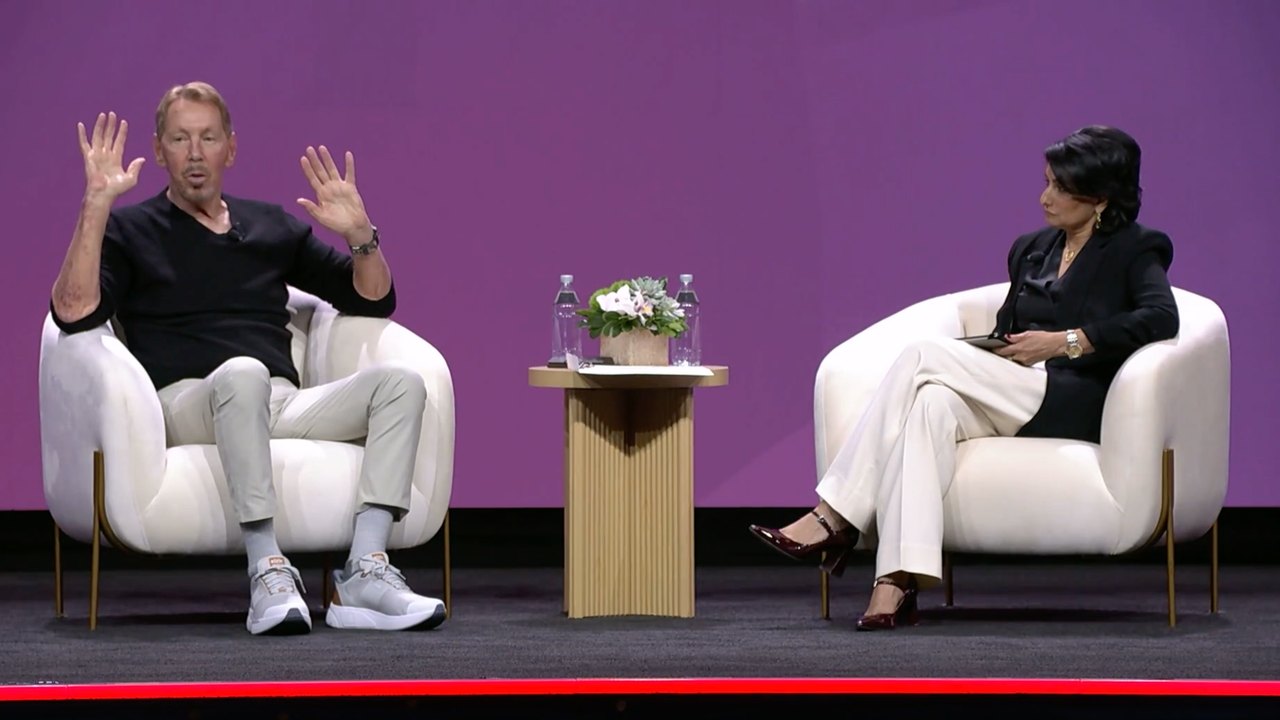 Oracle's Larry Ellison Rejects 'SaaSpocalypse' Fears, Says AI Will Help Finish Enterprise Apps
 Rivian Says AI Assistant Will Order Your Coffee and Book Service Trips by 2027
 Context Labs Unveils AI Distillery™ Platform for Sovereign Enterprise AI
Trending on GlobeWire Daily
Selected from recent coverage and related topics; not live search rankings.
 Samsung Galaxy Watch 4 Series Excluded from Upcoming One UI 9 Watch UpdateXbox Manager's Deleted Posts Reignite Debate Over AI in Game Development
 Dulquer Salmaan’s Fantasy Action Film ‘I’m Game’ to Stream on JioHotstar from Nov 6, 2026
 Cognizant Launches OpenAI Frontier Capability Group, Deploying Over 25,000 Professionals to Accelerate Enterprise AI Adoption
 Anthropic Blocks AI Game Clones in Claude Opus Update
 Open‑Source Repository Launches Modular Design Skills for AI Coding Assistants