Doop: Open-Source Multiplayer Design Canvas for Humans and AI Agents
· GlobeWire Daily Editorial Desk · Source: github.com
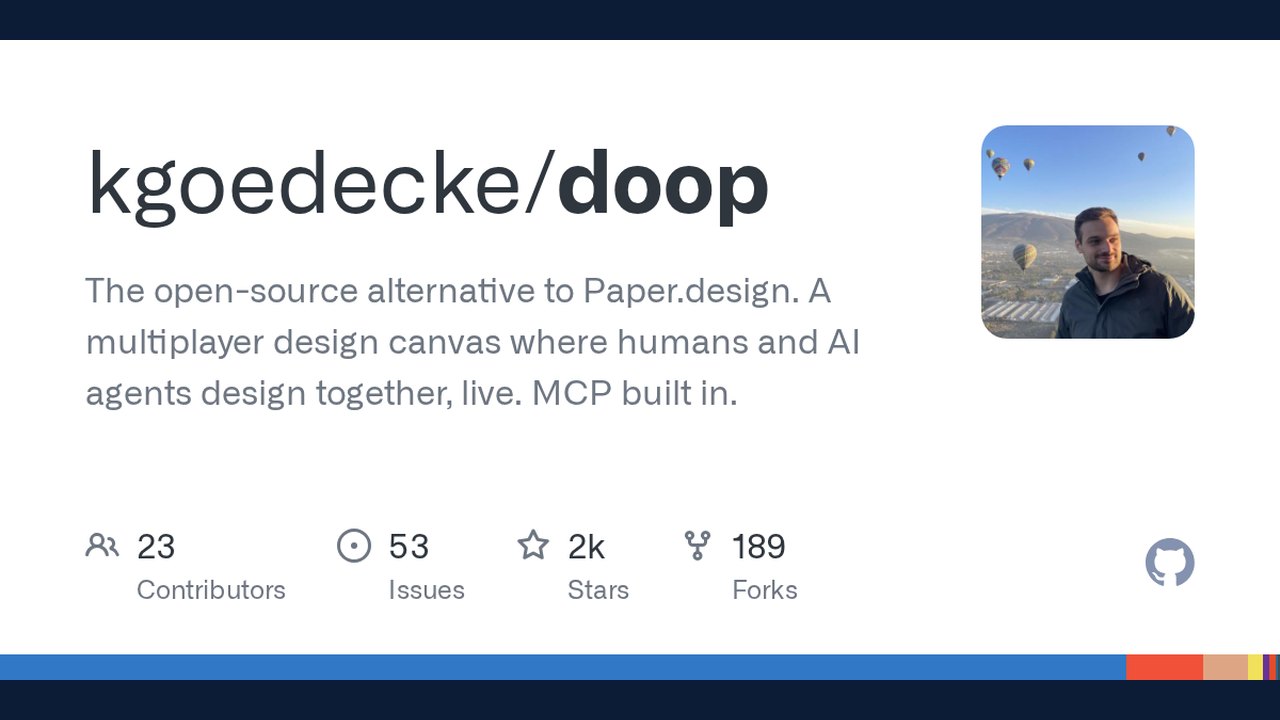
Image: GitHub · Photo source · Resized and letterboxed to 16:9; no AI generation
Introduction to Doop
Doop is an open-source, multiplayer design canvas that allows humans and AI agents to collaborate in real time. Designed as an alternative to proprietary platforms, Doop lets teams build and iterate on HTML-rendered artboards directly within the browser while external AI clients and built-in agents stream changes live.
Key Features
- Multiplayer Collaboration: Features live cursors, presence indicators, threaded comments, and a shared activity feed over a single WebSocket connection.
- Real HTML Frames: Artboards render actual HTML inside sandboxed iframes, enabling interactive and functional designs rather than static images.
- MCP Integration: Includes a built-in Model Context Protocol (MCP) server, allowing external clients like Claude Code, Codex, and Cursor to design directly on the canvas.
- Clickable Prototypes: Wire elements together using triggers such as clicks, hovers, or delays, and test flows instantly in Play mode.
- Design Memory: Pin exemplar frames and let the system propose durable style rules for consistent agent behavior.
AI Agent Capabilities
Doop supports two main ways to integrate artificial intelligence:
- External MCP Clients: Connect your own AI assistant once, and watch it sketch, stream, and self-review designs next to your cursor.
- Built-In Doop Agent: Queue design cards or @mention specific roles to let the system generate designs autonomously using connected model accounts or server keys.
Supported authentication pathways include ChatGPT subscriptions, OpenAI, Anthropic, Gemini, and OpenRouter API keys, offering flexibility depending on user preference and configuration.
Self-Hosting and Deployment
Doop is designed for easy self-hosting:
- Run locally using `bun run dev` or launch via Docker Compose with zero external configuration required.
- Utilizes an embedded Postgres database (`PGlite`) by default, with seamless fallback for optional integrations like SMTP or object storage.
- Provides a hosted alternative (`doop.design`) for users who prefer a managed environment.
Verification and Practical Implications
Teams looking to adopt Doop can review the official GitHub repository (`kgoedecke/doop`) to inspect the source code, examine setup instructions, and evaluate self-hosting requirements. Because features such as advanced Figma and Canva imports may be limited to specific cloud offerings, reviewing the open-source documentation is recommended before deployment.
AI-assisted reporting; source claims are attributed and have not been independently verified.
More to read
 Open-Source Tool Hypit Enables Coding Agents to Generate and Clone Videos
 OfficeCLI Brings Full‑Featured Word, Excel, and PowerPoint Automation to AI Agents – Open‑Source, No Office Needed
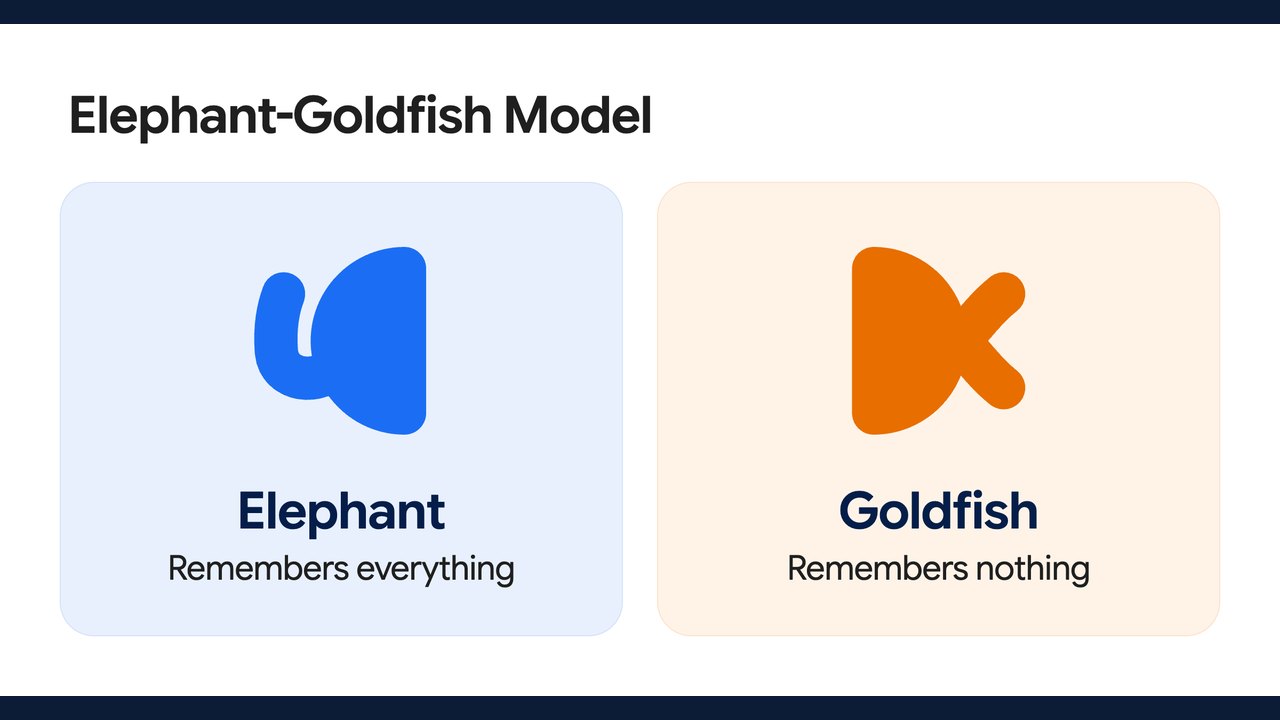 Google Releases Open-Source Elephant Goldfish Model for AI Software Design
 Garry Tan Releases gstack: An Open-Source Virtual Engineering Team for AI Coding Agents
Trending on GlobeWire Daily
Selected from recent coverage and related topics; not live search rankings.