First AI Supercomputer Scheduled for Lunar Surface Deployment Later This Year
· GlobeWire Daily Editorial Desk · Source: timesofindia.indiatimes.com

Image: The Times of India · Photo source · Resized and letterboxed to 16:9; no AI generation
Astrolab, a California-based space company, plans to send an uncrewed moon rover named FLIP to the lunar surface later this year, carrying Hewlett Packard Enterprise's (HPE) Spaceborne Computer-4. According to reports, this mission is set to mark the first deployment and testing of high-performance computing, graphics processing units (GPUs), and artificial intelligence experiments directly on the moon.
Mission Context and Objectives
The uncrewed rover is scheduled to land near the lunar south pole as part of Griffin Mission 1 (Griffin-1). Astrolab is among the private firms selected by NASA to develop a drivable rover for future Artemis missions. During a media event, Astrolab founder and CEO Jaret Matthews stated that the mission aims to test next-generation computational hardware to support potential future human habitation and economic activity in deep space.
Hardware and Environmental Engineering
To withstand the harsh lunar environment, HPE engineered the Spaceborne Computer-4 with specific features:
- A lightweight, compact, fanless, and self-contained system architecture.
- A low-power 64-bit CPU paired with an integrated GPU.
- Solid-state drives (SSDs) provided by KIOXIA.
- A heat-conductive aluminum housing connected to the rover's cooling system.
- Power supplied by onboard solar cells and batteries.
The primary technical challenge involves surviving the extreme conditions of the lunar south pole, including multiple lunar nights consisting of roughly 150 hours of complete darkness without solar energy. The rover is designed to operate semi-autonomously for extended periods, covering hundreds of kilometers, processing visual feeds, conducting observations, and handling terrain analysis and mapping tasks.
Mars Navigation Tech Adapted for the Moon
Because the moon lacks a global positioning system (GPS), the mission will utilize localization software originally developed by NASA's Jet Propulsion Laboratory (JPL) for Mars exploration. The machine learning algorithm matches real-time visual observations with internal map data to help the rover determine its coordinates and avoid hazards without GPS.
Practical Implications and Verification
While these initiatives aim to lay the groundwork for future crewed deep-space operations, observers can verify official launch updates, timelines, and technical disclosures directly through primary announcements from Astrolab, Hewlett Packard Enterprise, and NASA.
AI-assisted reporting; source claims are attributed and have not been independently verified.
More to read
 Exploring Rabat, Morocco – This Year’s Unesco World Book Capital
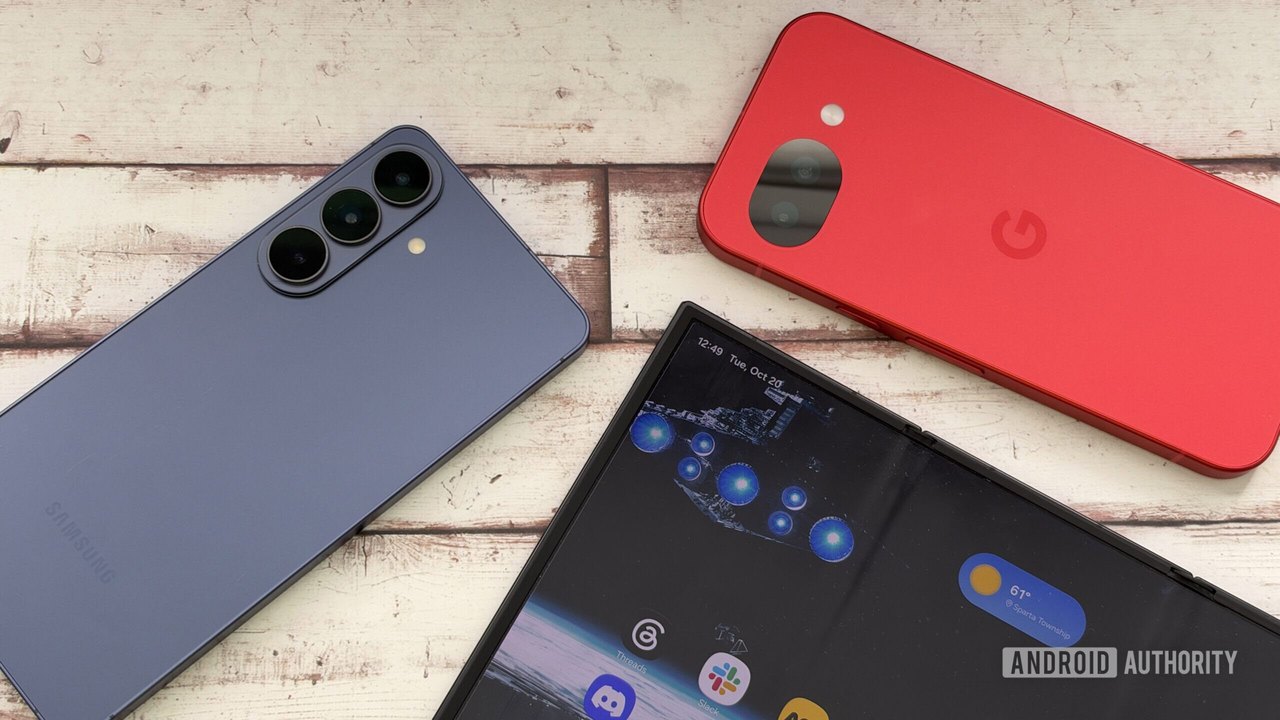 Skipped upgrading this year? 5 upcoming Android phones worth saving for
 Artemis Security Reports 100x Revenue Growth in First Year and Appoints Arun Singh as Chief Growth Officer
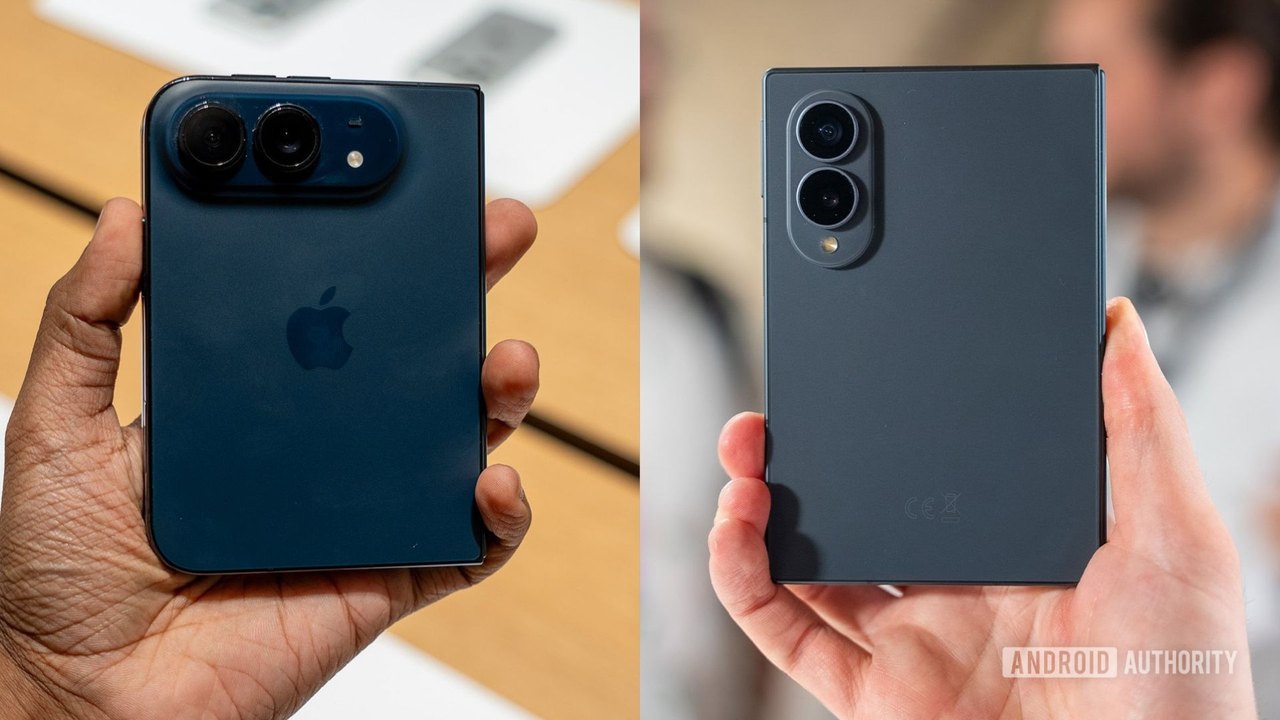 Comparing the First-Year Total Cost of Ownership for the Samsung Galaxy Z Fold 8 and iPhone Duo
Trending on GlobeWire Daily
Selected from recent coverage and related topics; not live search rankings.
 Madhya Pradesh Government Plans Revenue Generation from 117-Year-Old Edward Villa in Mumbai Through Leasing
 iPhone 18 Pro Named TechRadar Product of the Year 2026
 Google Project Suncatcher Runs Gemma 4 AI on Orbiting Satellite and Receives First Response
 Gender Disparities in Eye Care Access Across India Examined
 Satellite Images Show Cyclone Arnab Weakening Over India As New System Brews
 Expanding Green and Blue Spaces Crucial for India's Economic and Public Health, Reports Indicate