Global Education Briefing Highlights Growing Pains, Policy Debates, and AI Integration Strategies
· GlobeWire Daily Editorial Desk · Source: www.linkedin.com
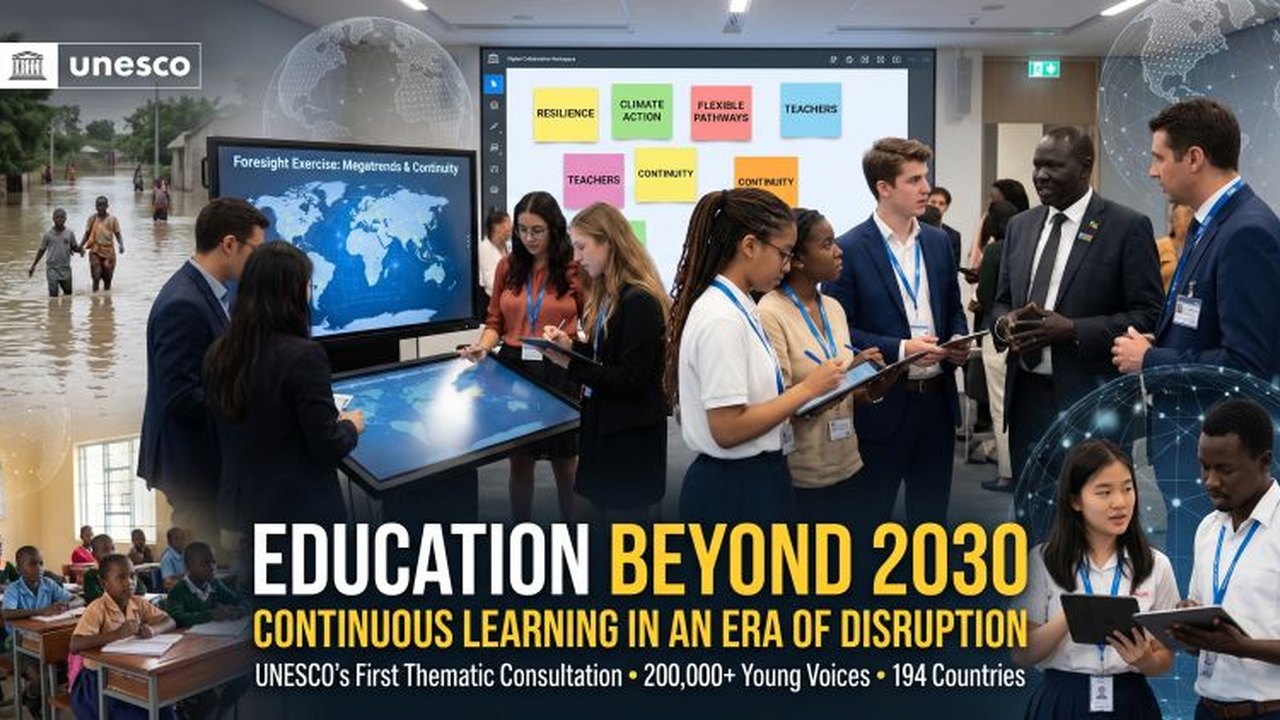
Image: LinkedIn · Source image rights not independently verified · Photo source · Cropped to 16:9; original source image
As artificial intelligence continues to reshape learning environments globally, recent updates from international education briefings and academic workshops highlight a complex landscape of policy debates, classroom tool adoption, and pedagogical adjustments. From regulatory pushes in the United States and Israel to teacher-in-the-loop platforms in Italy, education stakeholders are grappling with how to balance technological efficiency with essential human interaction.
International Policy Shifts and National Initiatives
AI integration has increasingly become a matter of legislative and administrative focus. In the United States, school technology has emerged as a prominent campaign issue, with at least thirteen states enacting AI-in-education laws. Political candidates ranging from school board hopefuls to gubernatorial contenders have proposed various measures, including screen-time limits and specific AI bans.
Meanwhile, national strategies are advancing abroad. Israel’s Education Ministry has outlined plans to introduce "Project 720," a personalized AI initiative slated for implementation in every school within three years. According to Meirav Zerbib, deputy director-general and head of the ministry’s Innovation and Technology Administration, the initiative aligns with the government's broader National AI Program. While preliminary evaluations of personalized approaches indicated gains among struggling students, broader impacts on overall academic achievement remain to be tested.
Balancing Individual Learning and Social Development
Beyond institutional mandates, educators and researchers are emphasizing the distinction between individual and social learning dimensions. While AI tools excel at identifying knowledge gaps, providing adaptive exercises, and supporting revision, experts caution against letting personalized learning devolve into isolated learning. Collaborative projects, peer interaction, and teacher-guided discussions remain critical for developing empathy, cooperation, critical thinking, and human relationships.
Concerns regarding peer interaction are mirrored in recent reports. Data from the Digital Education Council and Pearson indicate that students consulting AI tools instead of each other can inadvertently thin out group learning experiences. To address these dynamics, institutions are rethinking traditional assessment models; for instance, the University of Western Australia announced it will stop pursuing AI cheating detection tools in favor of redesigning student assessments entirely.
Technological Adaptations for Diverse Classrooms
To ease teacher workloads while maintaining educational quality, developers are exploring teacher-guided architectures. At the AI-LEAP 2026 workshop—held at the University of Perugia as part of AIxIA 2026—researcher Matteo Mongelli presented "Open Classroom," a teacher-in-the-loop Large Language Model platform designed for multi-grade classrooms. Developed as part of the NODES (Nord Ovest Digitale e Sostenibile) project with a focus on Valle d’Aosta, the platform helps educators transform single teaching documents into differentiated materials tailored to diverse learning needs, ensuring teachers retain ultimate editorial control.
Other regional developments include Efekta reporting that its Mastercard Foundation- and World Bank-funded AI-supported English training for teachers in Rwanda has surpassed 90,000 participants, though these outcomes are based on company data. Additionally, Google Classroom has updated its features to provide teachers with visibility into how students utilize assigned Gemini Notebooks.
Practical Implications and Contextual Assessment
For school leaders and educators navigating these rapid transformations, expert frameworks emphasize that successful AI adoption requires structured institutional support rather than isolated experimentation. Research highlighted by EdSkills Africa (Cukurova et al., 2023) notes that teacher confidence and knowledge are only part of the equation; workload, trust, ethical considerations, and institutional support mechanisms significantly influence everyday classroom practice.
Recommendations for effective integration include:
- Starting small: Piloting initiatives with select departments or teachers before wider scaling.
- Practical training: Focusing professional development on addressing concrete classroom challenges and supporting learning objectives.
- Establishing guidelines: Setting clear policies regarding academic integrity, data privacy, and responsible AI usage.
- Continuous support: Fostering peer collaboration and sharing successful classroom strategies without adding to educator workloads.
Readers can examine the complete source briefing and original announcements directly through the official AI in Education Briefing on LinkedIn.
AI-assisted reporting; source claims are attributed and have not been independently verified.
More to read
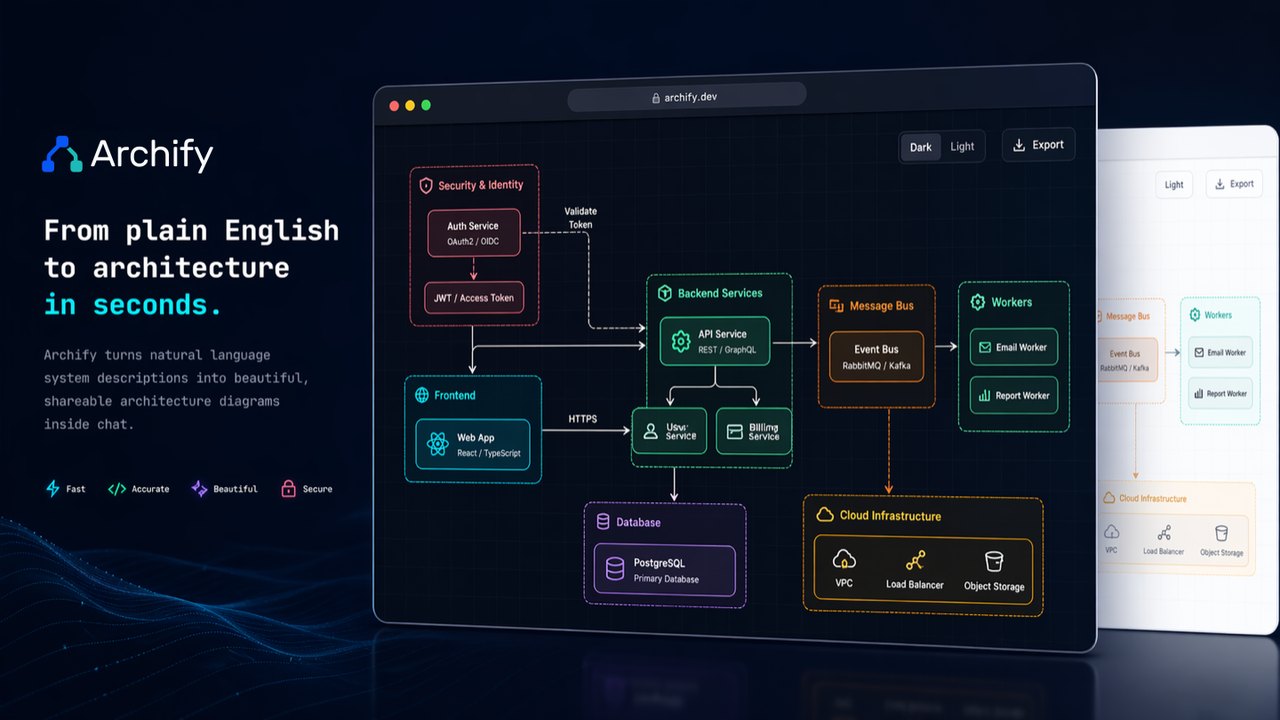 Open-Source Archify Project Aims to Turn Ideas and Codebases Into Interactive Diagrams via AI Agents
 DIY AI‑Powered Pocket‑Watch Shows What Meta’s Muse Charm Could Become
 Xbox Manager's Deleted Posts Reignite Debate Over AI in Game Development
 Oracle's Larry Ellison Rejects 'SaaSpocalypse' Fears, Says AI Will Help Finish Enterprise Apps
Trending on GlobeWire Daily
Selected from recent coverage and related topics; not live search rankings.
 Pakistan Clinch ODI Tri-Series Title with Thrilling Run Chase Against Sri Lanka
 ICC World Test Championship Standings Update: New Zealand Claims Top Spot as South Africa Jumps to Second
 India Eyes Potential Lineup Changes for Fifth T20I Against New Zealand in Hamilton
 Selection Decisions Face India Following Auckland Defeat Ahead of Final T20I in Hamilton
 Cummins Hints at Selection Changes Following Australia's Series Defeat to South Africa
 Binance Reports Coverage of 90% of Assets Following Massive $6.3 Billion Hack