Google and Stanford Launch “Polar Peaks” AI Quest to Teach Teens Brain‑Mapping
· GlobeWire Daily Editorial Desk · Source: blog.google
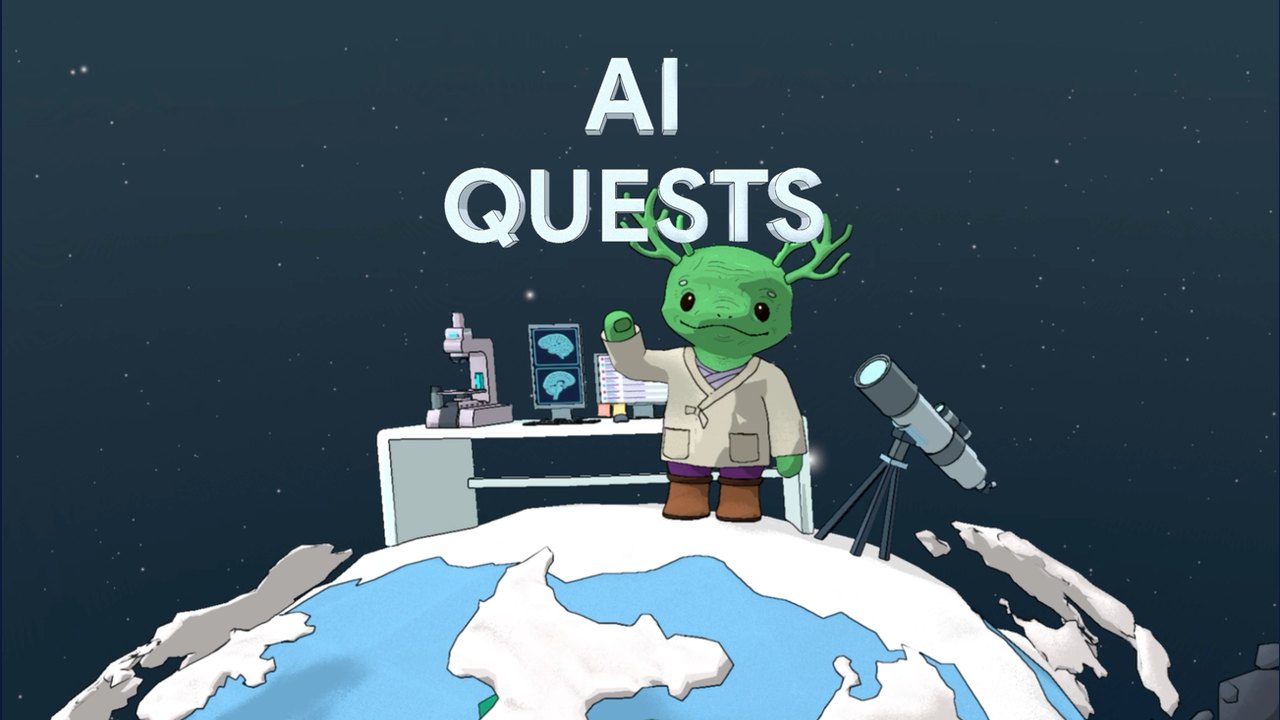
Image: Google · Photo source · Resized and letterboxed to 16:9; no AI generation
Overview
Google Research, in partnership with the Stanford Accelerator for Learning, has launched a new interactive learning experience called “Polar Peaks.” The quest is the third installment in Google’s AI Quests series and is aimed at students aged 11‑14. Participants act as junior researchers, using artificial‑intelligence tools to clean data, test models and ultimately map neurons in a simulated human brain.
What the Quest Covers
- Neuroscience basics – students explore how neurons connect and why mapping them matters for memory research.
- AI literacy – hands‑on tasks such as data cleaning, model validation, and the importance of human oversight.
- Real‑world inspiration – the game mirrors Google’s decade‑long work in *connectomics* and references the recent complete fruit‑fly brain map.
Teacher Support
A set of teacher‑training modules is being released through the Google AI Educator Series. These modules (available now for Quests 1 & 2, with Quest 3 material arriving next month) give educators lesson plans, discussion prompts and assessment ideas to integrate the quest into existing curricula.
Reach and Recognition
- Over 400,000 AI Quests have been completed across ten languages.
- The program earned a 2026 Webby Award for AI Education and an ETIH Innovation Award for K‑12 learning.
How to Verify
The launch announcement is posted on Google’s official blog (see URL in the source). Schools can sign up for the free teacher modules via the Google AI Educator Series portal and confirm the quest’s availability in the Google for Education dashboard.
Practical Implications
- Classroom integration – teachers can run the quest as a standalone unit or embed it within science or computer‑science lessons.
- Skill development – students practice critical thinking, data ethics and collaborative problem‑solving.
- Future pathways – early exposure to neuro‑AI may inspire interest in STEM careers.
--- *All details are drawn from Google’s own blog post; no additional speculation or unverified claims are included.*
AI-assisted reporting; source claims are attributed and have not been independently verified.
More to read
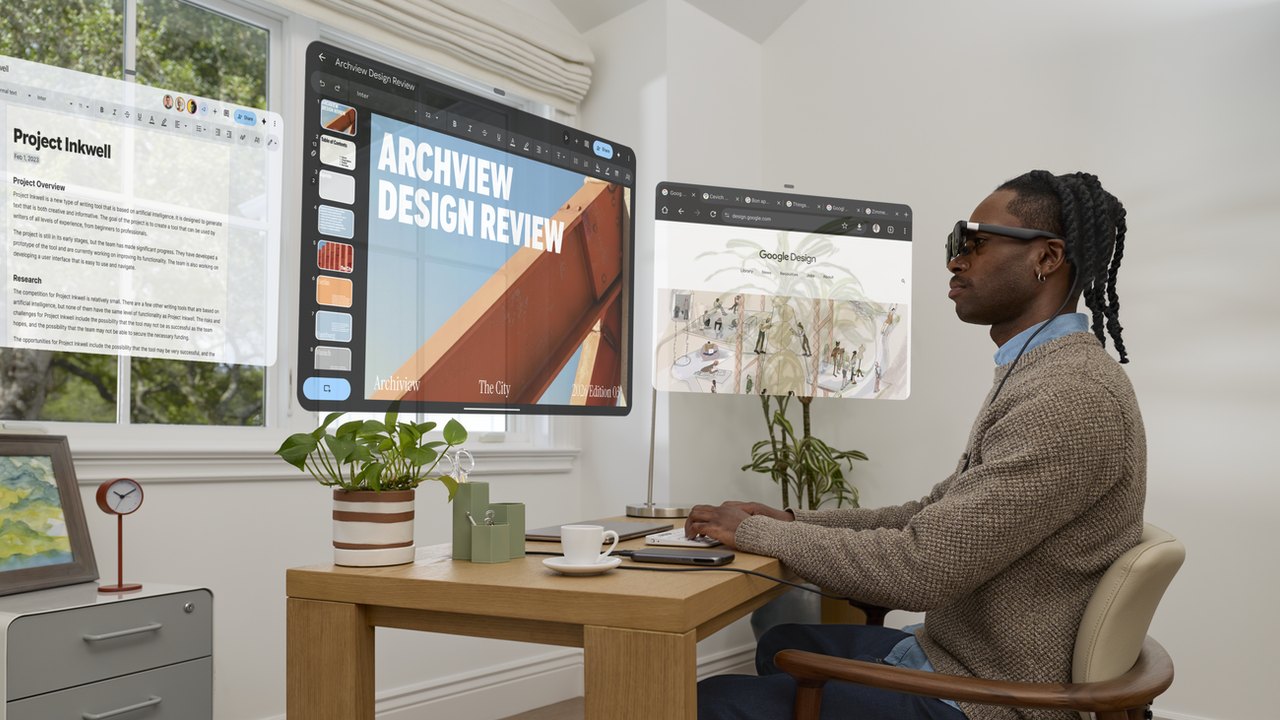 Google and XREAL Launch XREAL AURA: First Android XR Wired Glasses Powered by Gemini
 Finnish Authorities Launch Criminal Investigation Into Google Data Center Site
 Finnish Police Launch Criminal Investigation Into Google's Planned Data Centre Site
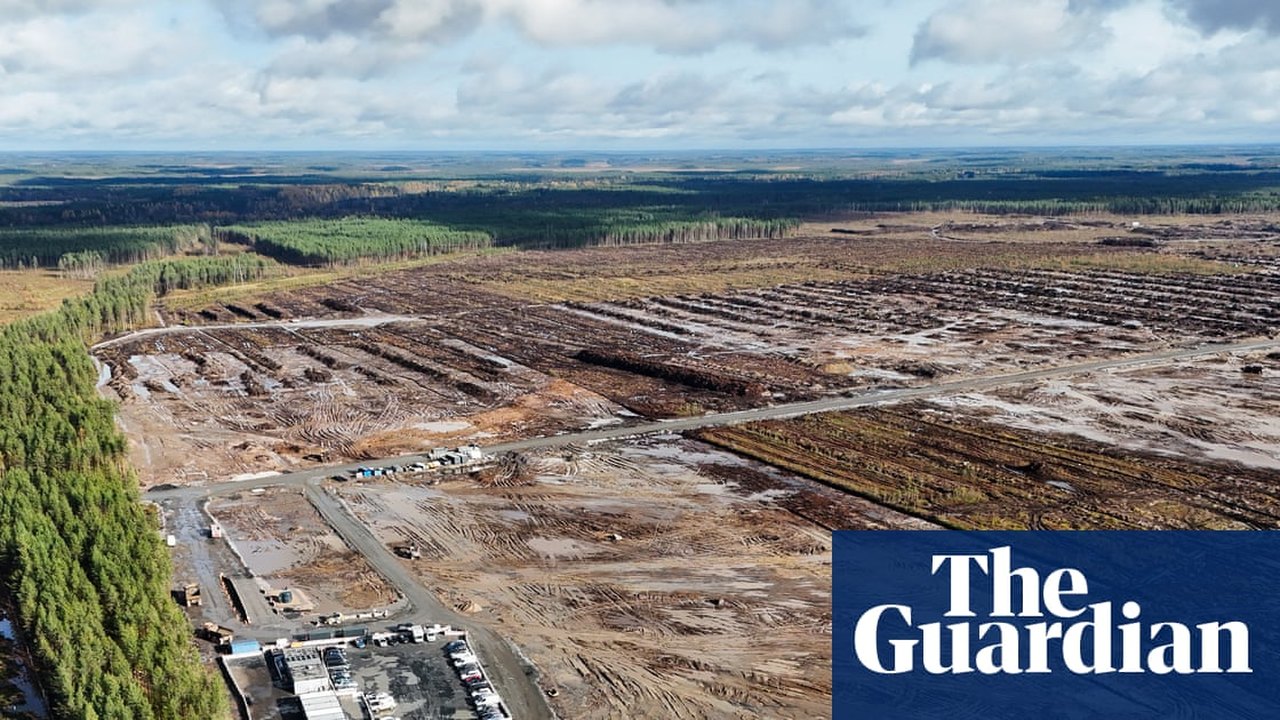 Finnish Police Launch Criminal Investigation Into Google Over Forest Clearing for Datacentre
Trending on GlobeWire Daily
Selected from recent coverage and related topics; not live search rankings.
 Madhya Pradesh Government Plans Revenue Generation from 117-Year-Old Edward Villa in Mumbai Through Leasing
 iPhone 18 Pro Named TechRadar Product of the Year 2026
 Google Project Suncatcher Runs Gemma 4 AI on Orbiting Satellite and Receives First Response
 Gender Disparities in Eye Care Access Across India Examined
 Satellite Images Show Cyclone Arnab Weakening Over India As New System Brews
 Expanding Green and Blue Spaces Crucial for India's Economic and Public Health, Reports Indicate