Google Launches Project Suncatcher to Test AI Chips in Space
· GlobeWire Daily Editorial Desk · Source: www.npr.org

Original GlobeWire Daily editorial illustration — not an event photograph.
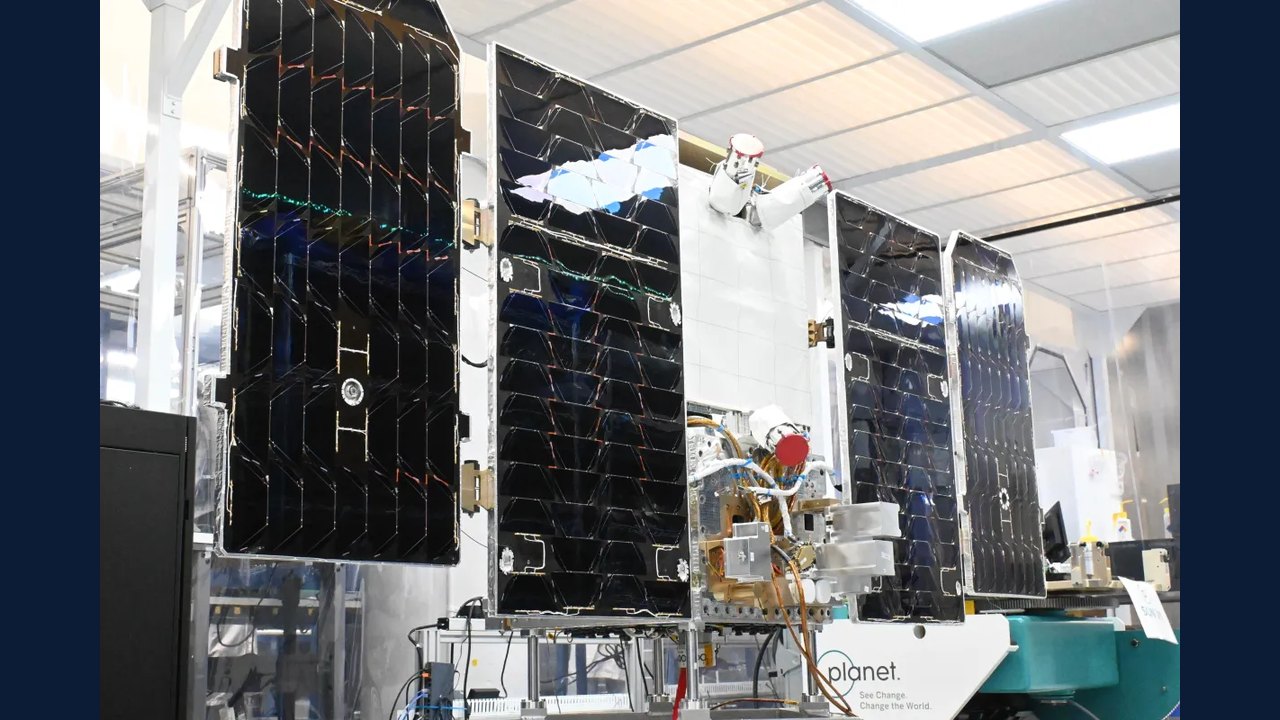
Google has launched a refrigerator-sized prototype satellite into orbit as part of Project Suncatcher, a research initiative exploring space-based AI data centers powered by the sun. A SpaceX rocket carried the experimental satellite into orbit, and aerospace company Planet will help operate it.
Mission Details and Objectives
The prototype carries four Google Tensor Processing Units (TPUs), specialized chips designed for machine learning. Due to thermal constraints in space, the chips will run a version of Google's Gemma open-weight model for 15-minute intervals to answer simple queries. According to a Google blog post, the mission aims to test how TPUs handle the physical stress of spaceflight, radiation, and thermal extremes.
Google developed the satellite in partnership with Planet. Next year, the company plans to launch two additional satellites to test laser-based communication between spacecraft and Earth. The current prototype has a planned operational goal of one year.
Challenges of Orbital Compute
Experts note that while the technology has been proven at a research level, significant engineering and economic hurdles remain:
- Thermal Management: Dissipating heat in the vacuum of space is difficult without wind or water. Google is researching pipe and radiator systems, though current radiators add significant launch weight.
- Maintenance and Upkeep: Unlike terrestrial data centers where technicians can easily replace faulty hardware, repairing orbital components is vastly more complex and costly.
- Environmental and Economic Concerns: Rocket launches rely on carbon-based fuels, and re-entering satellites could create atmospheric pollution. Furthermore, industry experts question when space data centers will become economically viable compared to ground-based facilities.
Project lead Travis Beals described the project as a long-term "moonshot," noting that space data centers are unlikely to become cheaper than terrestrial alternatives within the next five years and will likely coexist with ground facilities for a long time.
Practical Implications and Verification
Readers interested in verifying details of Project Suncatcher can consult Google's official company blog or announcements from partner company Planet. This experimental mission represents an early research phase rather than a commercial deployment of space data centers.
AI-assisted reporting; source claims are attributed and have not been independently verified.
More to read
 Google Completes First Orbital AI Test with Project Suncatcher TPU
 Google's Project Suncatcher Satellite Generates First AI Response from Space
 Google Project Suncatcher Runs Gemma 4 AI on Orbiting Satellite and Receives First Response
 Google Suncatcher Prototype Space Data Center Satellite Goes Online in Orbit