Google Suncatcher Prototype Space Data Center Satellite Goes Online in Orbit
· GlobeWire Daily Tech Desk · Source: techcrunch.com
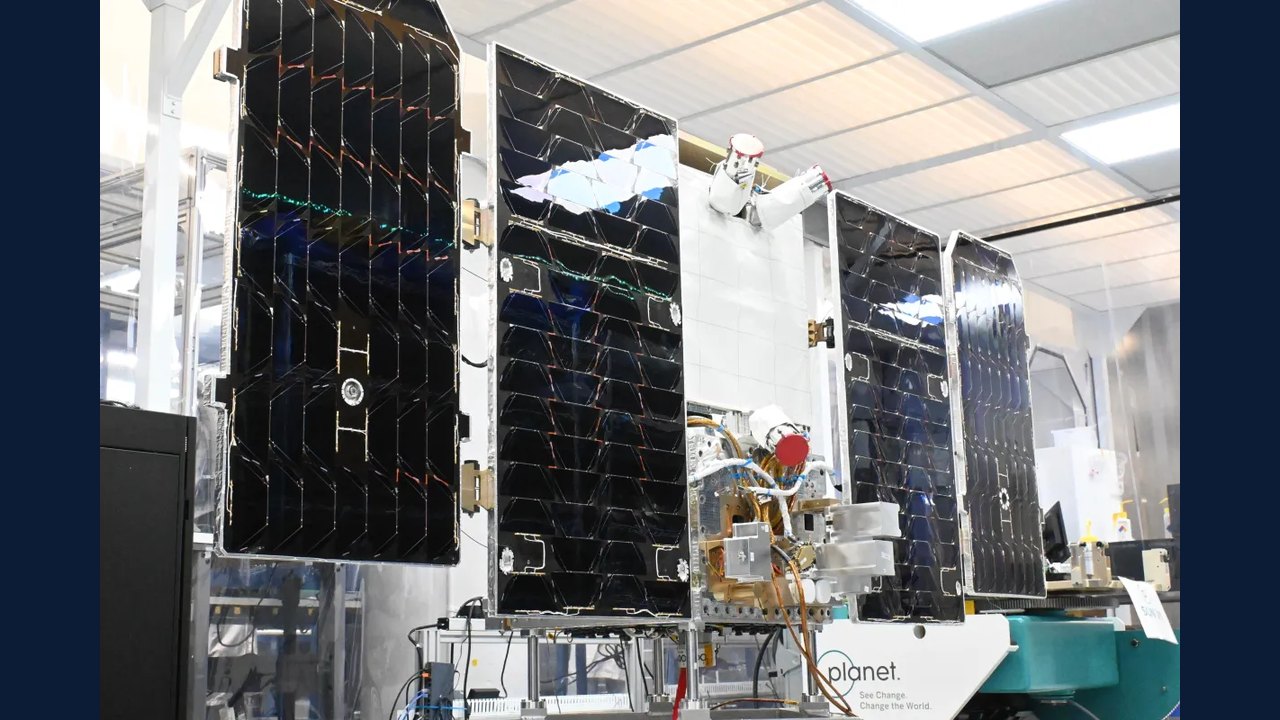
Image: Tim Fernholz · Photo source · Resized and letterboxed to 16:9; no AI generation
Google’s Suncatcher prototype space data center satellite has successfully gone online and communicated with ground engineers following its launch earlier this month on a SpaceX Falcon 9 rocket.
According to reported details, the spacecraft carries four Google Tensor Processing Units (TPUs) and generates up to 1 kW of solar electricity. Due to power constraints, engineers can currently operate only one TPU at a time for about 20 minutes. Following a three-week subsystem commissioning process, ground teams sent a prompt to the pre-loaded Google DeepMind Gemma 4 model, asking it to write a haiku about being in space. The model successfully returned a poem.
Testing in Orbit
- Thermal and Radiation Stress: The ongoing test campaign evaluates how the hardware withstands thermal stress and space radiation.
- Bit Flips: Engineers are monitoring for radiation-induced bit flips, which can corrupt data without triggering standard monitoring tools.
- Future Plans: If current tests succeed, Google plans to launch two more advanced satellites equipped with TPUs in 2027 to demonstrate inter-satellite optical links.
Practical Implications and Verification
The Suncatcher project aims to establish infrastructure designed for economic viability by the 2030s. However, the long-term viability of orbital data centers remains tied to heavy-lift rocket developments, such as SpaceX's Starship. Observers can verify official progress and technical announcements directly through Google’s official corporate channels and published research papers.
AI-assisted reporting; source claims are attributed and have not been independently verified.
More to read
 Google's Project Suncatcher Satellite Generates First AI Response from Space
 Finnish Authorities Launch Criminal Investigation Into Google Data Center Site
 Google Launches Project Suncatcher to Test AI Chips in Space
 Google Project Suncatcher Runs Gemma 4 AI on Orbiting Satellite and Receives First Response