Google Search AI Mode now integrates Drive, Wallet and Gemini for deeper personalization
· GlobeWire Daily Editorial Desk
What changed?
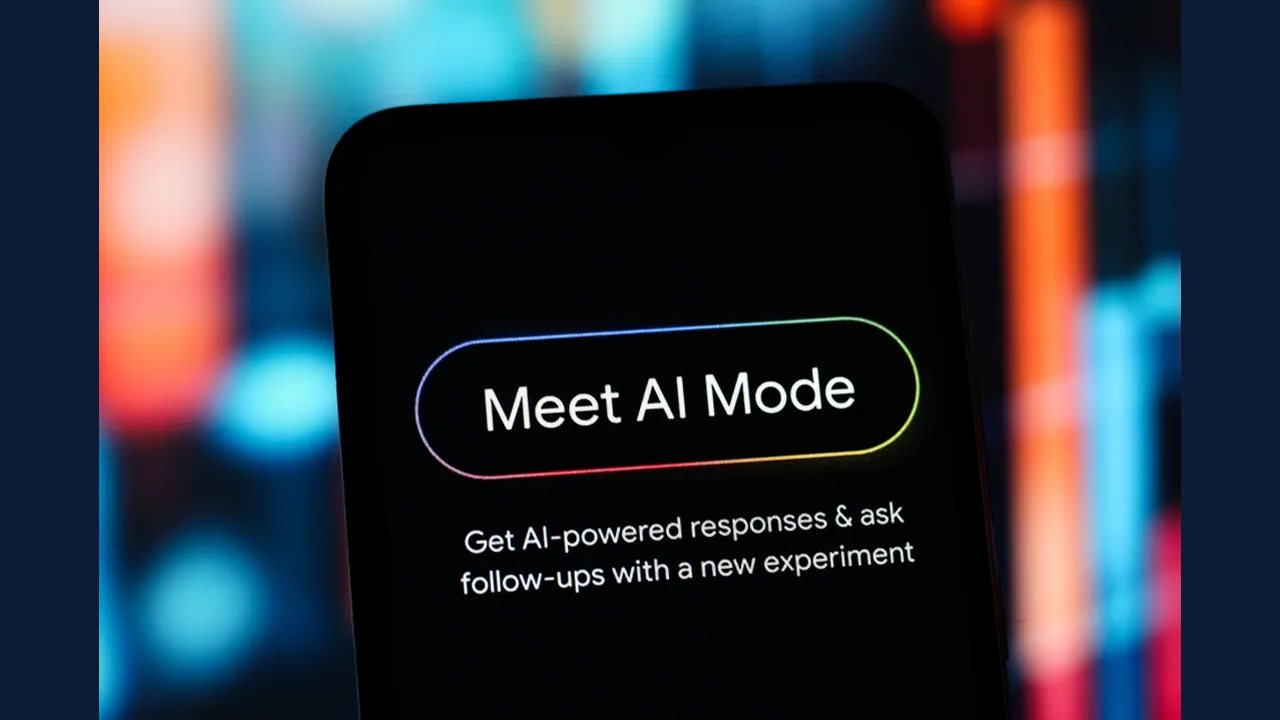
Google announced that its Personal Intelligence feature in Search’s AI Mode can now connect to Google Drive, Google Wallet, and the Gemini app, extending the data sources that power context‑aware answers.
Who is affected?
All users of Google Search who enable Personal Intelligence will be able to let the AI read files, spreadsheets, receipts and credit‑card reward data stored in those services. The connections are optional and can be toggled on or off at any time.
How it works
- Drive integration – AI can pull information from documents and spreadsheets to answer questions like “How should I plan my taxes?” or “What are the key metrics in this project?”
- Wallet integration – AI can read balances, transaction history and reward points to suggest ways to meet financial goals or cut everyday spending. It cannot move money or make payments.
- Gemini app link – Context created in Gemini (e.g., brainstorming notes) is automatically available to AI Mode, so users don’t need to re‑enter the same information.
- A new Personalization icon will appear below AI responses, letting users view which data sources were used.
Confirmation and limits
Google’s blog post confirms the rollout will begin this week for eligible accounts. The company stresses that:
- Data access is read‑only; no write or transaction capability is granted.
- Users retain full control and can disable the feature in Settings.
- AI‑generated answers will still be labeled with a “Personalized” badge.
Practical next steps
- Open Search → Settings → Personal Intelligence and toggle the new integrations.
- Review the Personalization icon on any AI response to see which files or wallet entries were consulted.
- Verify the feature’s behavior by asking a non‑sensitive question (e.g., “What’s my upcoming calendar event?”) and checking the source list.
Why it matters
By pulling from Drive and Wallet, Google aims to deliver answers that are not only relevant to the query but also aligned with a user’s personal data, a capability competitors currently lack. The move also raises privacy considerations, prompting users to weigh convenience against data exposure.
--- *All details are based on Google’s official announcement on 23 Nov 2026.*