How AI-Assisted Code Decompilation is Fueling a Wave of Video Game Mashups and Copyright Concerns
· GlobeWire Daily Editorial Desk · Source: www.theguardian.com
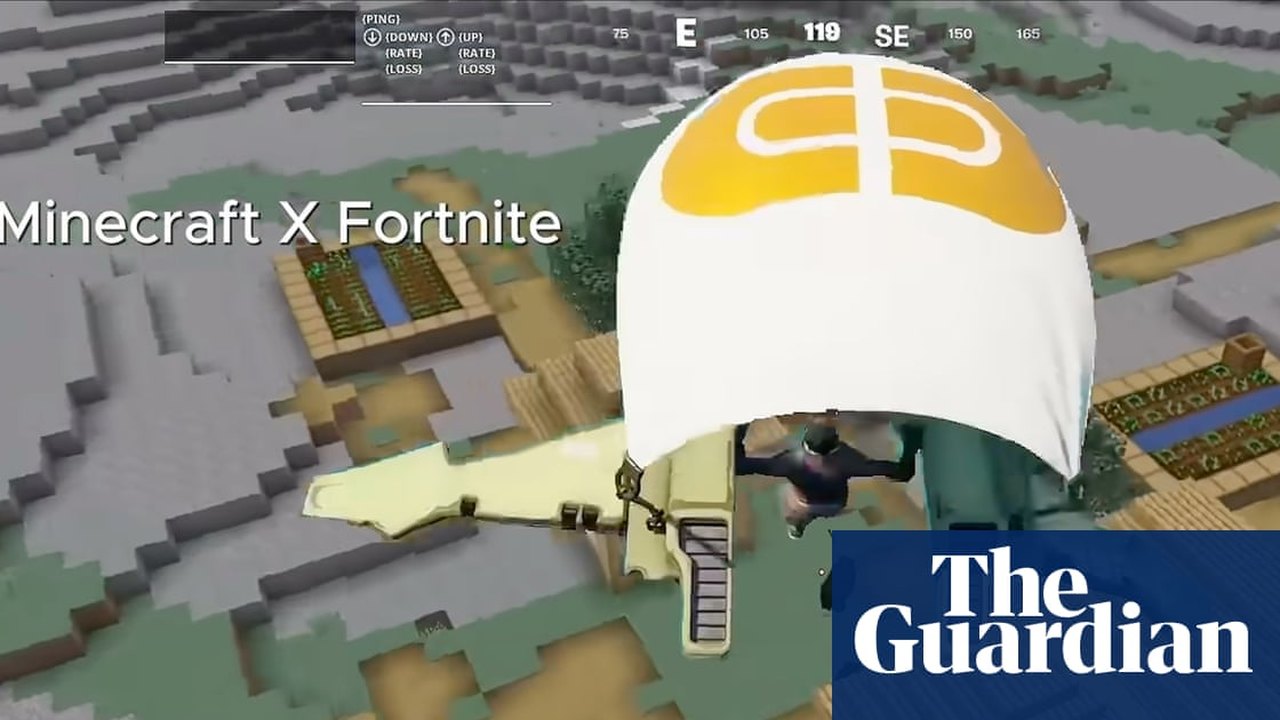
Image: www.theguardian.com · Photo source · Cropped to 16:9; original source image
Social media feeds have recently seen a surge in bizarre video game mashups, ranging from Skyrim played within Minecraft to Mario characters in Halo. According to recent reporting, these clips stem from a significant shift in AI-assisted coding capabilities that have drastically lowered the technical barrier required to decompile and modify video game source code.
The Rise of AI-Assisted Decompilation
Conventionally, decompiling video games—reversing compiled binary code back into human-readable source code—was an exceptionally laborious and time-consuming process. Recent developments, however, have highlighted tools like Anthropic’s Claude becoming adept at handling this work. What once required months of expert coding knowledge and painstaking effort can now be accomplished much faster, allowing users to generate functional code bases and combine distinct titles with minimal manual intervention.
While significant human tuning is still required for complex projects, the technology has accelerated hobbyist game modding and emulation projects. Observers note that recent applications extend beyond simple cosmetic mods, touching upon advanced emulation leaps, browser-based execution of modern titles, and open-source code repositories that simplify access to retro libraries.
Industry Implications and Copyright Challenges
This rapid evolution raises pressing questions regarding digital piracy, intellectual property, and copyright law. Historically, circumventing platform protections or distributing emulated source code required specialized technical skills. With AI tools simplifying code analysis and generation, copyright enforcement and software protection face novel pressures as game code becomes more accessible to distribute and manipulate online.
Practical Implications and Verification
Readers interested in exploring the details of this phenomenon can review the original reporting and analysis published by The Guardian.
- What is confirmed: AI tools are increasingly capable of assisting with the decompilation and modification of software code, leading to an increase in creative game mashups and complicated questions surrounding software copyright.
- What remains unknown: The long-term legal and regulatory repercussions for AI developers and platform holders, as well as how major publishers will adapt their security and anti-piracy measures to counter automated code analysis.
- How to verify: Readers can consult the original feature, "Social media is full of weird video game mashups. Where are they all coming from?" on The Guardian website to review the reported observations and broader industry context.
AI-assisted reporting; source claims are attributed and have not been independently verified.
More to read
 Elvis Presley Estate Sues Anthropic Over Alleged Copyright Infringement In AI Training
 Anthropic IPO Filing Reveals AI Now Writes 90% of Internal Code
 Chinese Markets Lose Trillions Amid AI Race With US, Raising Economic Concerns
 Masahiro Sakurai Questions Long-Term Value of AI-Generated Video Games
Related coverage
Related reporting available at publication.
Elvis Presley Estate Sues Anthropic Over Alleged Copyright Infringement In AI TrainingAnthropic IPO Filing Reveals AI Now Writes 90% of Internal CodeChinese Markets Lose Trillions Amid AI Race With US, Raising Economic ConcernsMasahiro Sakurai Questions Long-Term Value of AI-Generated Video Games UK AI minister urges state‑led capability after AI uncovers 500 new government system vulnerabilities
 Meta Quietly Releases 'Waddle World': A Tamagotchi-Style AI Pet That Creates Daily Journals