How Solid-State Transformers Could Help Power the AI Boom
· GlobeWire Daily Editorial Desk · Source: www.technologyreview.com
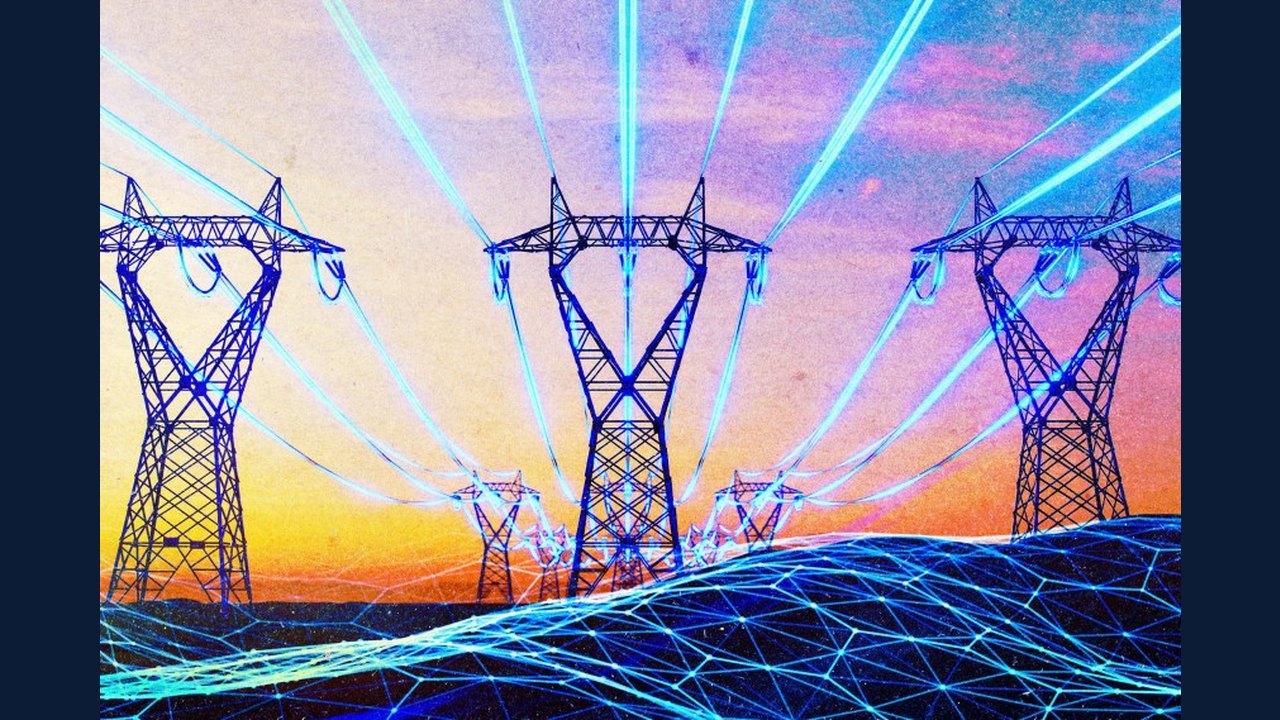
Image: MIT Technology Review · Photo source · Resized and letterboxed to 16:9; no AI generation
Solid-state transformers are emerging as a potential solution to modernize the electrical grid, driven by rising electricity demand from electric vehicles and data centers. While conventional transformers rely on specialized steel and copper wire with a century-old design, solid-state models combine magnetic components with high-power semiconductors to control electricity flow more efficiently.
Understanding Conventional vs. Solid-State Transformers
Traditional transformers use magnetic induction via loops of wire around a steel core to step voltage up and down for transmission lines and local distribution. However, they are large, heavy, and face long manufacturing wait times that can stretch up to five years, creating a major bottleneck for utilities.
Solid-state transformers integrate power electronics to manage current frequencies, allowing for significantly smaller magnetic cores—sometimes one-tenth the size of conventional models while matching capacity. They can also absorb functions of rectifiers and inverters to reduce overall equipment footprint and power loss.
Testing and Development Status
- Utility Testing: In August, the New York Power Authority and EPRI tested a one-megawatt solid-state transformer built in a North Carolina State University lab under realistic utility conditions, achieving approximately 98% efficiency.
- Commercial Ventures: Companies like Heron Power are developing solid-state technologies, such as the Heron Link, and planning manufacturing facilities in California.
- Current Limitations: Existing prototypes operate at lower voltages, such as around 15,000 volts, and cannot yet replace the high-voltage transformers required for long-distance transmission lines.
Practical Implications and Verification
Researchers note that while solid-state transformers show promise for applications like powering server racks within data centers, scaling the technology for high-voltage transmission requires further engineering and new materials. Stakeholders and analysts emphasize that addressing grid bottlenecks will depend on ongoing technological development and supply chain expansion.
To verify original announcements and technical specifications, readers can consult reports from research institutions like EPRI and announcements from energy technology companies.
AI-assisted reporting; source claims are attributed and have not been independently verified.
More to read
 Could Edible Packaging Help Solve the World’s Plastic Problem?
 RESA Power Welcomes the Field Service Team of MARS Transformers
 Could a 'Winter Transition Week' Help Us Adapt to the Cold and Dark?
 BYD's Luxury Yangwang Sedan Nears Dubai Unveiling With Solid-State Battery Rumors