Could Edible Packaging Help Solve the World’s Plastic Problem?
· GlobeWire Daily Climate Desk · Source: www.theguardian.com
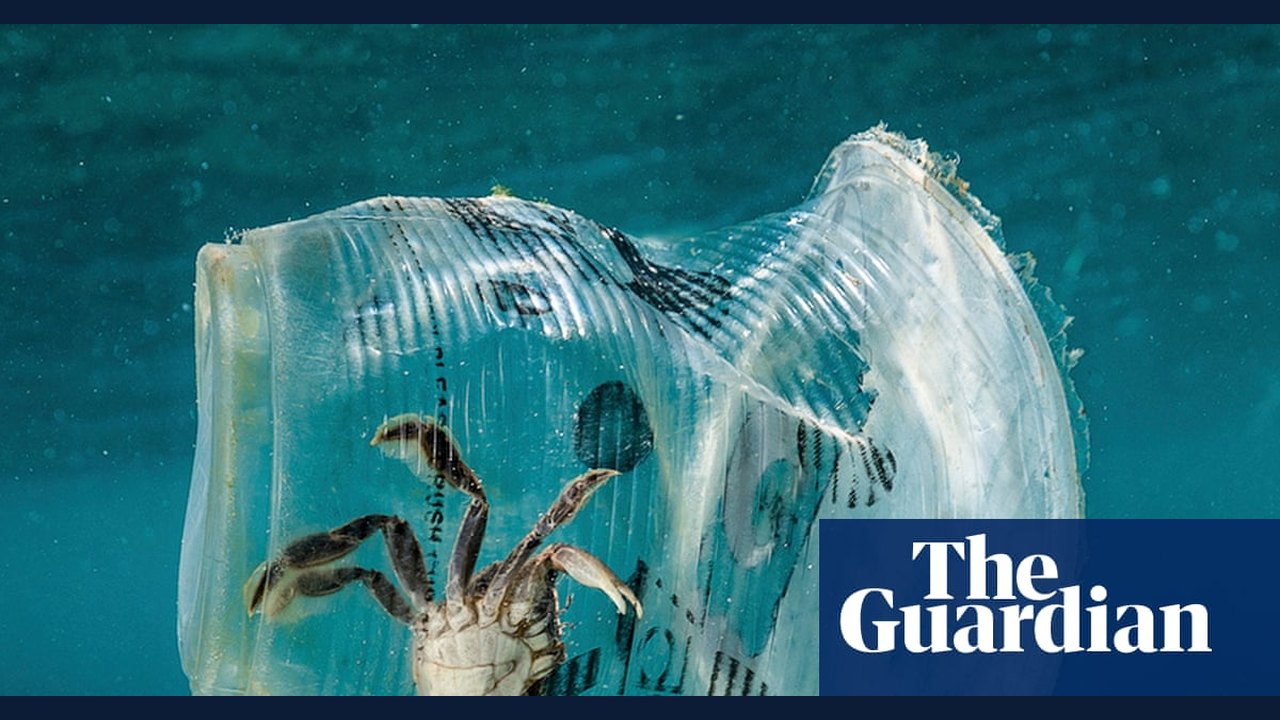
Image: the Guardian · Photo source · Resized and letterboxed to 16:9; no AI generation
Edible packaging made from materials such as seaweed is being explored as a potential innovation to help address global plastic waste, though experts note significant challenges regarding cost, scaling, and consumer habits remain.
Global packaging waste is projected to rise significantly in coming years. Research indicates that plastic waste doubled between 2000 and 2019, with packaging accounting for about 40% of it, while worldwide recycling rates remain low.
Pilot Projects and Current Innovations
- Notpla Trials: In a recent pilot project in Northamptonshire, a van distributed ginger shots inside edible seaweed pods rather than traditional bottles.
- Industry Examples: Companies such as Notpla, Xampla, and Cupffee are developing edible alternatives, including seaweed-encased condiments, pea protein films, and edible coffee cups.
- Market Growth: Market research values the edible packaging sector at $1.04bn in 2024, with expectations of growth driven by environmental concerns.
Challenges Facing Adoption
Experts and industry figures have highlighted several hurdles for widespread implementation:
- Cost and Scale: Prof James Elliott from the University of Cambridge noted that manufacturers are cost-driven and currently hesitant to pay more for biodegradable alternatives when the non-biodegradable market is vastly larger. Scaling up production to match global packaging demands presents a major logistical challenge.
- Environmental Sensitivity: Edible packaging can be sensitive to fluctuating environmental conditions, requiring specialized handling during shipping and storage.
- Consumer Perception: Campaigners like Sian Sutherland of A Plastic Planet have raised questions about hygiene and whether consumers will ultimately feel comfortable eating packaging that has been handled, stacked, and shipped.
Broader Perspectives
While innovators emphasize that fast-growing crops like seaweed offer a rapid and sustainable material source without competing with land use, environmental campaigners argue that shifting away from a throwaway culture altogether is the ultimate goal. Readers can verify original announcements and industry research by reviewing market reports from organizations like Smithers or statements from companies actively developing biodegradable alternatives.
AI-assisted reporting; source claims are attributed and have not been independently verified.
More to read
 Netflix, Fox and the $2bn Bid for the 2030 World Cup That Could Reshape Live Sports
 Could a 'Winter Transition Week' Help Us Adapt to the Cold and Dark?
 How Solid-State Transformers Could Help Power the AI Boom
 Could a Surfing and Therapy Retreat in Morocco Help Overcome a Fear of Waves?