I Tested Six Major AI Agents for a Day: Here Is How They Stack Up
· GlobeWire Daily Editorial Desk · Source: www.wired.com
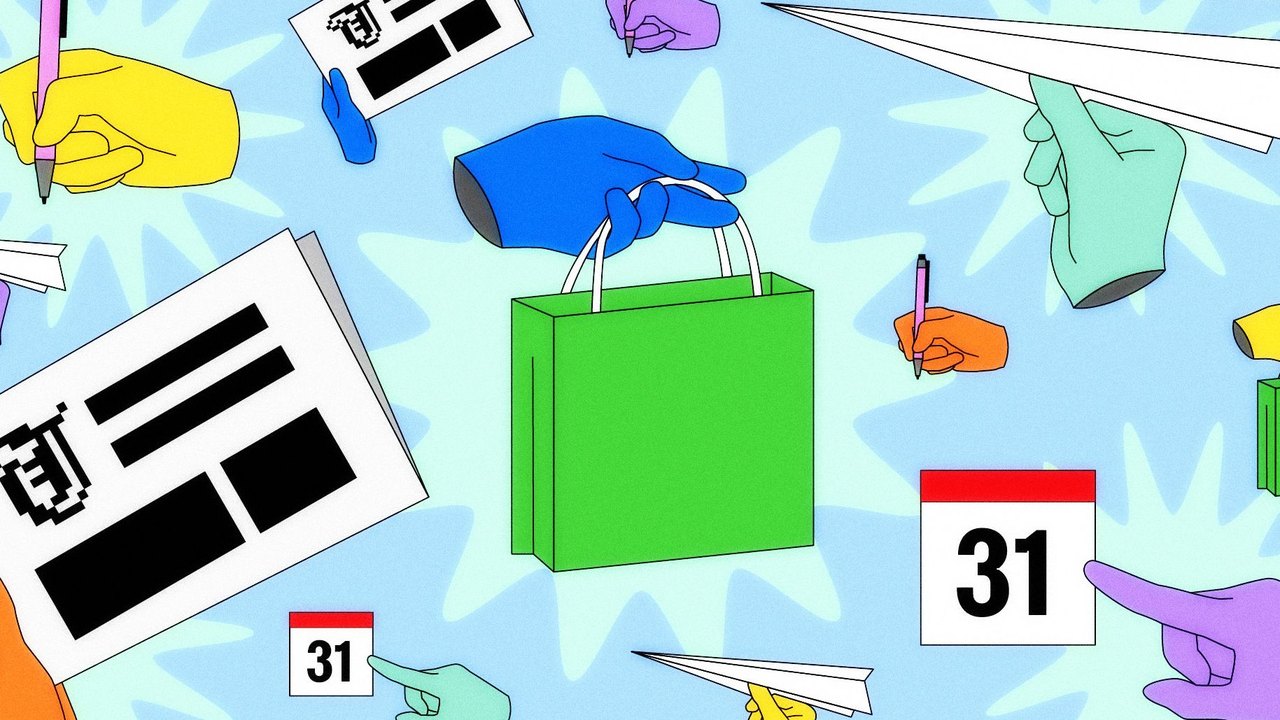
Image: Reece Rogers · Photo source · Resized and letterboxed to 16:9; no AI generation
As always-on personal AI agents grow more capable, a tech reporter spent a 24-hour testing period evaluating six major options on an iPhone: Meta's Muse, OpenAI's Dots, Instinct, Anthropic's Claude Duet, Google's Gemini Spark, and xAI's Grok Bot. The evaluation aimed to gauge their proactivity, instruction-following, and virtual browsing capabilities across tasks like news briefings, lunch ordering, schedule conflict checks, vacation itinerary planning, and late-night prompts.
Overview of Tested AI Agents
- Meta Muse: Free to use and widely downloaded since its September release.
- OpenAI Dots: Built into ChatGPT, priced at $100 a month.
- Instinct: Free to use via text messaging, requiring an invite code.
- Google Gemini Spark: Offered as a beta within the Gemini app for $20 a month.
- xAI Grok Bot: Operates via its own app for $30 a month.
- Anthropic Claude Duet: Released as a waitlisted research preview costing $20 a month.
Testing Categories and Results
Morning Briefing
The agents were tasked with researching and drafting a tech news pitch for an editorial meeting. Google's Gemini Spark generated the strongest angle, focusing on retail giants and third-party agents, while others produced mixed or less timely headlines.
Lunch Decisions
To test everyday transactional capabilities, the agents built takeout orders for two people with dietary restrictions from nearby Vietnamese restaurants. OpenAI's Dots successfully processed the exact correct order, whereas Gemini Spark notably faltered by only adding a single $5 roll.
Schedule Conflicts
With a simulated calendar clash between an important source meeting and a personal reminder to call home, only OpenAI's Dots and Anthropic's Claude Duet successfully flagged the overlap beforehand.
Vacation Planning
Tasked with drafting a two-week itinerary for China covering historical sights and big-city locations with a maximum of four hotels, all agents surprisingly selected identical routes, demonstrating a potential new trend in algorithmic travel planning.
Insomnia Check
Tested with open-ended late-night prompts, tools like xAI's Grok Bot and OpenAI's Dots offered supportive, actionable prompts to help clear the user's mind, while others provided less context-aware responses.
Final Takeaways
- Best Overall: OpenAI Dots emerged as the top performer despite its steep $100-a-month price tag, though waiting for a lower-priced or free tier is recommended.
- Most Accessible: Meta Muse won points for being free and easy to set up, though privacy considerations remain.
- Best Interface: Anthropic's Claude Duet offered a user-friendly dedicated app despite its early research-preview status.
- Most Annoying: Instinct's text-only interface and lack of transparency left the reviewer frustrated.
*Practical implication: AI agents require access to sensitive personal data like emails and calendars, carrying inherent privacy and security risks. Users should verify itineraries and critical information through independent, non-AI sources before making travel or financial decisions.*
AI-assisted reporting; source claims are attributed and have not been independently verified.
More to read
 World Stroke Day 2026: Experts Highlight Risks and Why Delayed Hospital Arrival Poses a Major Threat
 Exploring New York City Beyond the Major Landmarks: A Local's Three-Day Itinerary
 Graduates are managing AI - but are they learning traditional industry skills?
 Microsoft Announces Cloud PC Capabilities for AI Agents to Run Windows Apps