World Stroke Day 2026: Experts Highlight Risks and Why Delayed Hospital Arrival Poses a Major Threat
· GlobeWire Daily Lifestyle Desk · Source: www.amarujala.com
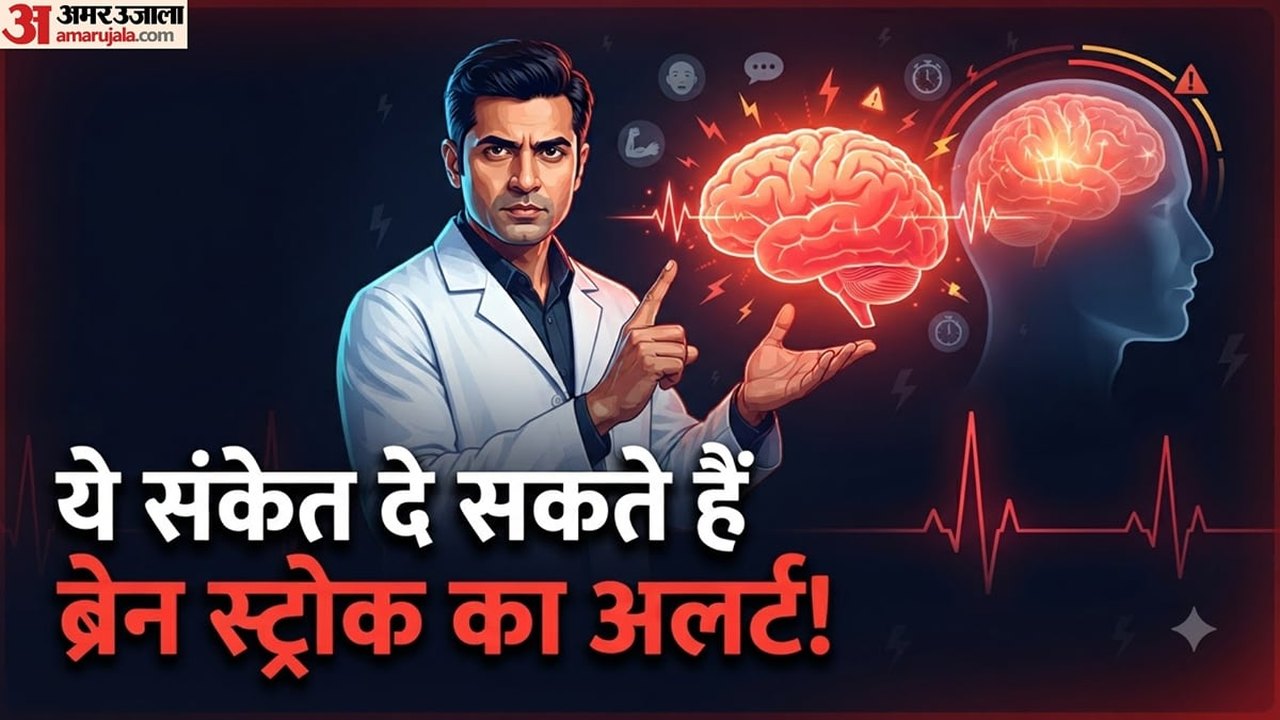
Image: Amar Ujala · Photo source · Resized and letterboxed to 16:9; no AI generation
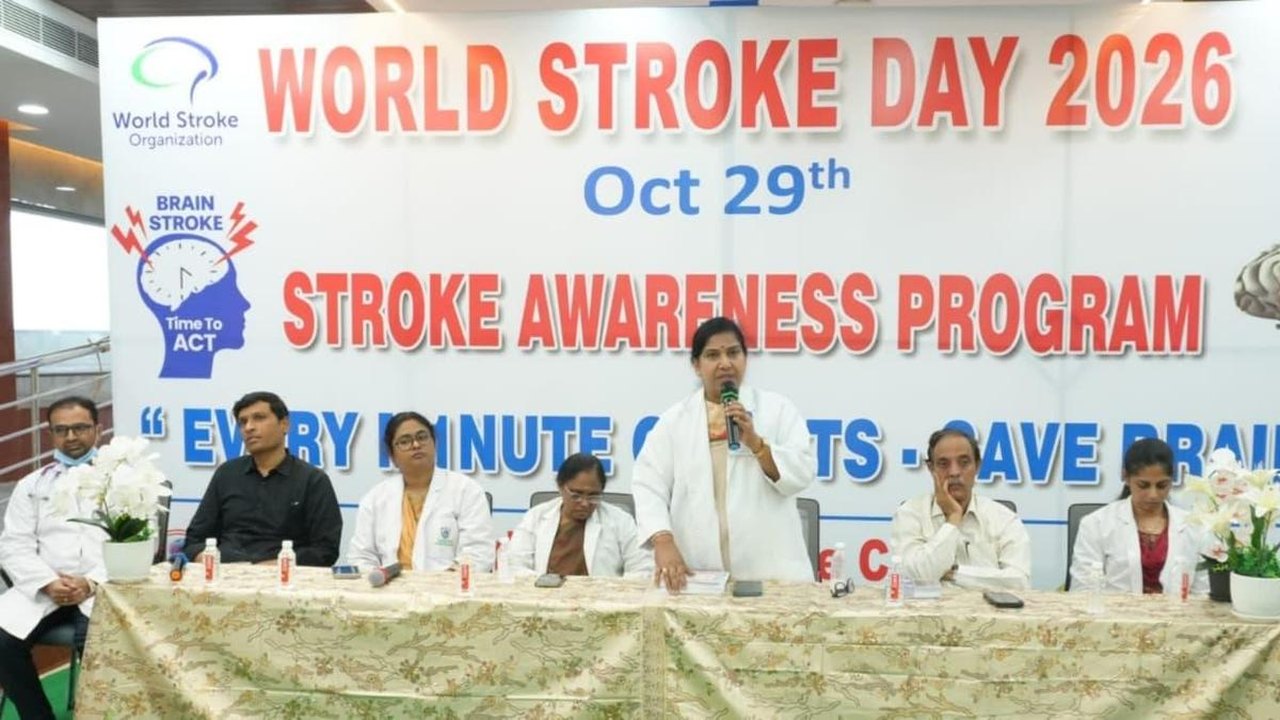
On the occasion of World Stroke Day, health experts have emphasized the urgent need to raise awareness about stroke risks, symptoms, and the critical importance of reaching a hospital promptly. Global data indicates that stroke causes millions of deaths annually. According to reported statistics, approximately 6.5 to 7.3 million lives are lost worldwide each year due to strokes. World Stroke Day is observed globally on October 29, with the theme "Every Minute Matters" for this year.
Medical reports explain that a brain stroke occurs when the blood supply to any part of the brain is suddenly blocked or reduced, depriving brain cells of oxygen and nutrients and causing them to die rapidly. If not identified and treated in time, this condition can become severe and life-threatening, which is why every single minute counts.
Underlying Risks and Delayed Arrivals
Neurologist Dr. V.K. Singh notes that while a stroke strikes suddenly, the underlying risks often develop in the body years in advance. A major concern is that these risks frequently go unnoticed, and even after a stroke occurs, people often delay recognizing symptoms and reaching a hospital, thereby losing the precious window for treatment.
Studies on stroke patients have found that 73 to 80 percent of patients arrive at the hospital more than four and a half hours after symptom onset on average. A primary reason for this delay is a lack of adequate knowledge regarding stroke symptoms.
Major Contributing Factors
The risk of stroke does not rise overnight. Conditions such as high blood pressure, diabetes, and high cholesterol can remain latent for a long time without clear symptoms, making it vital for seemingly healthy young individuals to remain vigilant.
- Hypertension and Diabetes: According to ICMR-INDIAB research, approximately 35.5 percent of adults in India are affected by high blood pressure, 87.3 percent by dyslipidemia (abnormal cholesterol or fat levels in the blood), and 11.4 percent by diabetes.
- Vascular Damage: High blood pressure increases pressure on blood vessels, while diabetes and abnormal cholesterol can damage blood vessel walls, collectively elevating the risk of stroke.
Key Concerns and Warning Signs
Experts point to two primary concerns: individuals ignoring pre-existing risks years before a stroke occurs, and the critical waste of treatment time due to delayed symptom recognition.
Common warning signs such as facial drooping on one side, sudden weakness in the arms and legs, slurred speech, or a loss of body balance are sometimes dismissed as mere fatigue, weakness, or aging. Recognizing these signs immediately and seeking medical attention can help prevent severe outcomes. Regular health checkups, medical consultations, and workplace emergency preparedness are recommended to mitigate risks and treatment delays.
*Note: This article is based on medical reports and expert insights. Readers are advised to consult a qualified physician for any health-related concerns or specific medical conditions.*
AI-assisted reporting; source claims are attributed and have not been independently verified.
More to read
 World Environment Day 2026: UN Highlights Urgent Climate Action
 Lalitha Hospitals in Guntur Hosts World Stroke Day Awareness Events
 Karwa Chauth 2026: Examining Health Risks and Life Expectancy Among Indian Men
 Marathon Training on GLP-1s: Experts Weigh In on Risks and Performance