Karwa Chauth 2026: Examining Health Risks and Life Expectancy Among Indian Men
· GlobeWire Daily Lifestyle Desk · Source: www.amarujala.com
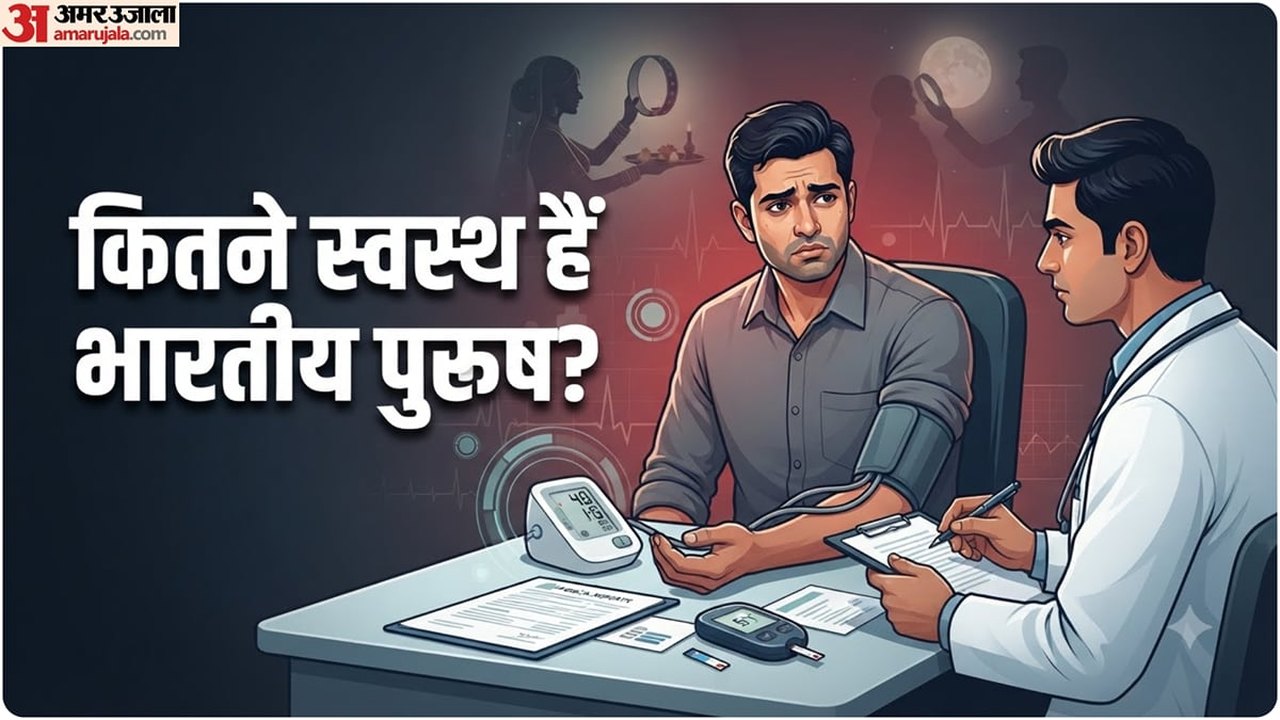
Image: Amar Ujala · Photo source · Resized and letterboxed to 16:9; no AI generation
While Karwa Chauth involves traditional prayers and fasting for the long life of spouses, health discussions highlight broader concerns regarding the actual well-being and life expectancy of Indian men. Reported figures indicate that average life expectancy for Indian men stands around 70 to 70.7 years, while women generally live longer, averaging 73 to 73.6 years. Public health discussions and institutional data point to chronic conditions, lifestyle factors, and mental health challenges as notable areas of concern.
Health Challenges and Life Expectancy
According to World Health Organization (WHO) data cited in discussions, leading causes of mortality among Indian men include heart disease, chronic lung conditions, stroke, and diabetes. Experts note that while women often report a higher prevalence of certain non-communicable and long-term conditions, men frequently experience severe and acute cardiovascular events that contribute significantly to premature mortality risks. Contributing factors often include sedentary habits, tobacco and alcohol use, unbalanced diets, and high blood pressure.
- Cardiovascular Risks: Heart diseases remain a primary concern, influenced by lifestyle habits and delayed medical consultations.
- Mental Health Pressures: Work-related stress, financial responsibilities, and societal expectations often discourage men from discussing emotional distress. Reports such as NCRB data indicate a higher proportion of male suicides linked to factors like family issues, illness, and substance use.
- Societal Stigma: Cultural norms around stoicism can lead to delayed diagnoses, as routine health screenings are frequently postponed until symptoms become severe.
Practical Recommendations for Better Well-Being
Health professionals emphasize that prayers alone are not a substitute for proactive healthcare. To support long-term health, experts suggest several practical steps:
- Routine Medical Screenings: Regularly monitor blood pressure, blood sugar, and cholesterol levels.
- Lifestyle Modifications: Encourage balanced diets rich in fruits, vegetables, and whole grains, alongside at least 150 minutes of weekly physical activity.
- Substance Reduction: Support efforts to quit tobacco and moderate alcohol consumption.
- Open Communication: Foster environments where emotional stress can be discussed openly, and seek professional medical or psychological help when needed.
Readers are advised to verify original health announcements through medical professionals and official public health portals. Content is for informational purposes and should not replace professional medical advice.
AI-assisted reporting; source claims are attributed and have not been independently verified.
More to read
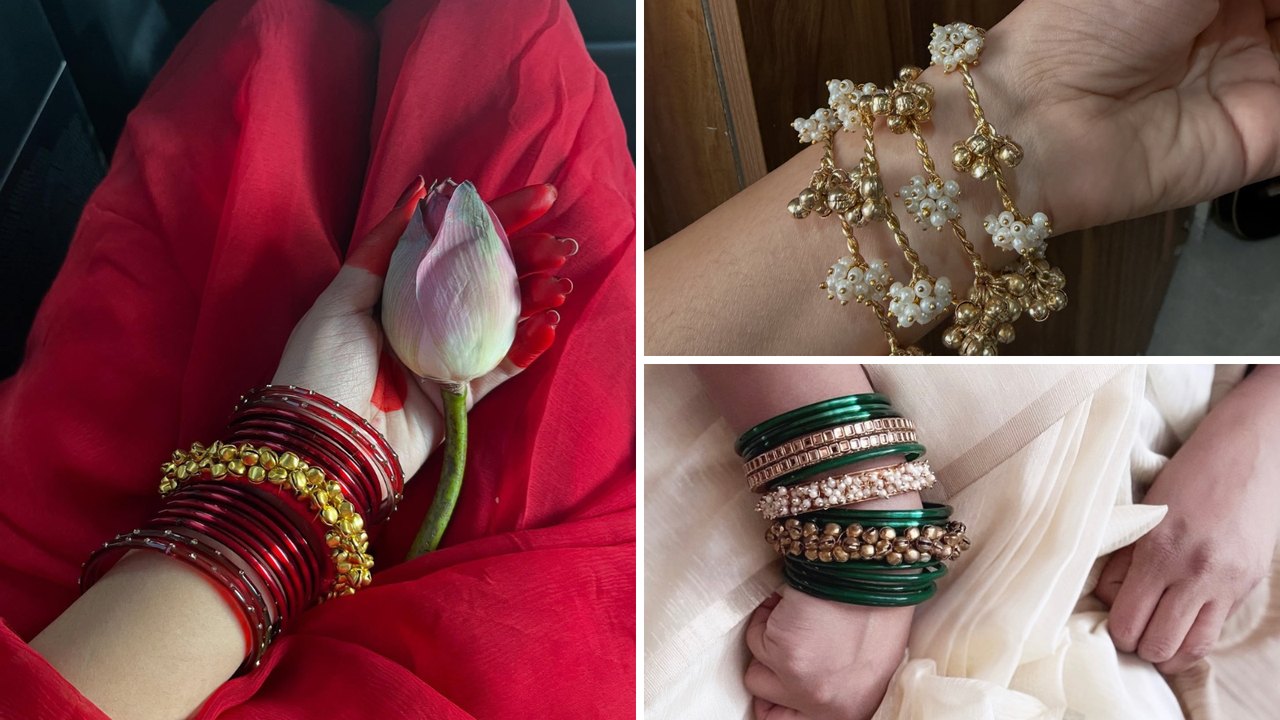 Karwa Chauth 2026 Fashion: Styling Kashmiri Ghungroo Bangles with Glass Bangles
 Karwa Chauth 2026: Expected Moonrise Time at 8:11 PM and Weather Visibility Concerns
 Exploring Diverse Karwa Chauth Traditions Across Indian States
 Karwa Chauth 2026: Six Celebrity Couples Fans Are Watching For Festival Updates
Trending on GlobeWire Daily
Selected from recent coverage and related topics; not live search rankings.
 Madhya Pradesh Government Plans Revenue Generation from 117-Year-Old Edward Villa in Mumbai Through Leasing
 iPhone 18 Pro Named TechRadar Product of the Year 2026
 Google Project Suncatcher Runs Gemma 4 AI on Orbiting Satellite and Receives First Response
 Gender Disparities in Eye Care Access Across India Examined
 Satellite Images Show Cyclone Arnab Weakening Over India As New System Brews
 Expanding Green and Blue Spaces Crucial for India's Economic and Public Health, Reports Indicate