Marathon Training on GLP-1s: Experts Weigh In on Risks and Performance
· GlobeWire Daily Lifestyle Desk · Source: www.theguardian.com
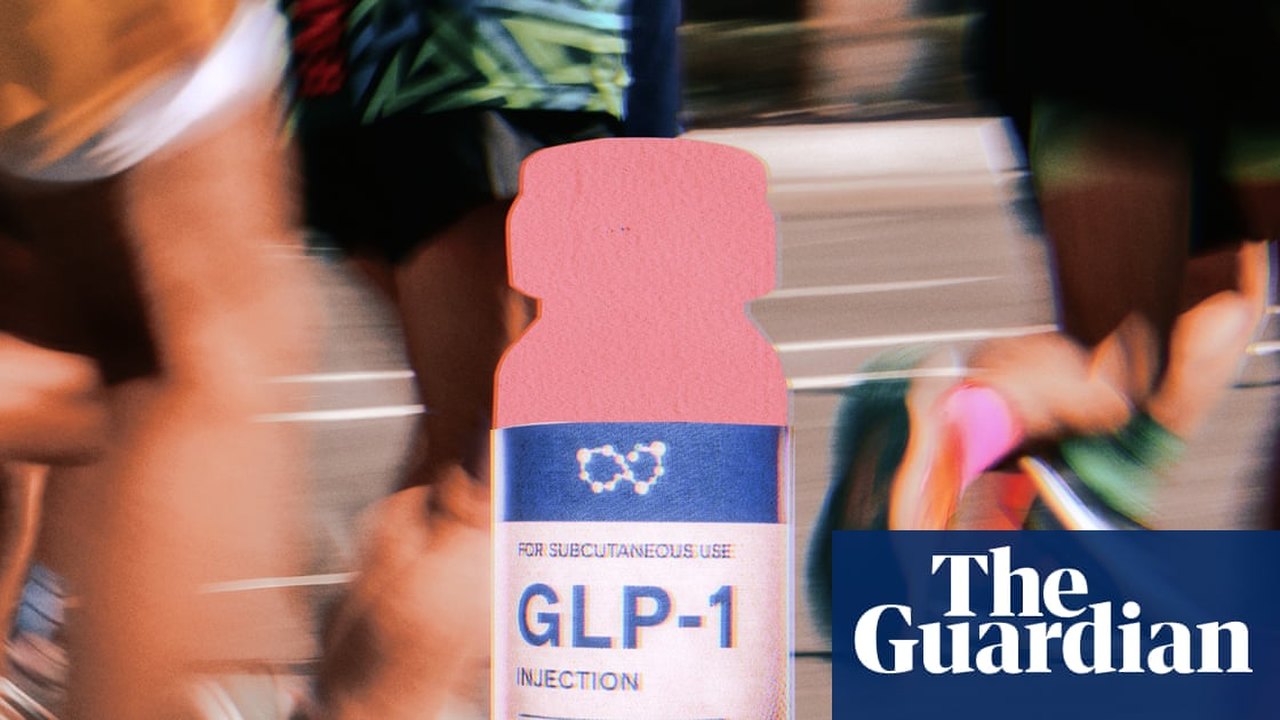
Image: www.theguardian.com — Creative Commons
The Intersection of Endurance Sport and GLP-1 Usage
As the use of glucagon-like peptide-1 (GLP-1) receptor agonists—such as tirzepatide and semaglutide—becomes more widespread, endurance athletes are increasingly navigating the potential conflicts between these medications and the rigorous demands of marathon training. While these drugs are effective for weight management, reports from runners suggest that common side effects, particularly nausea and appetite suppression, can significantly hinder performance and health during long-distance racing.
Physical Impact and Performance Challenges
For many runners, the primary hurdle is maintaining adequate caloric intake. Endurance athletes rely on consistent fuel, including energy gels, to sustain performance. When GLP-1 users experience suppressed appetite or persistent nausea, they often struggle to meet the energy requirements for training, potentially leading to a state of low energy availability. Experts, including sports dietitians and clinical researchers, warn that prolonged underfueling can evolve into Relative Energy Deficiency in Sport (REDs), which may compromise bone density, immune function, and, in women, the menstrual cycle.
Furthermore, researchers note that these medications can impact cardiovascular responses. Some patients report elevated heart rates during exercise, a side effect acknowledged by medical professionals, though data on how newer-generation GLP-1s interact with intense physical activity remains limited.
Managing Side Effects: Anecdotal Strategies vs. Clinical Guidance
In online communities, some athletes have experimented with "microdosing" or splitting weekly injections to mitigate side effects. However, medical professionals urge caution. Dr. Nidhi Kansal of Northwestern Medicine notes that such adjustments are not how these drugs were studied in clinical trials. Some dietitians suggest that if a runner must remain on the medication, timing doses to avoid the days immediately surrounding a long run or race could potentially reduce the risk of acute gastrointestinal distress.
What Runners Should Know
There is currently a lack of comprehensive research on the long-term effects of using GLP-1s specifically for performance-focused endurance training. While some users eventually report that their bodies adapt to the medication over time, allowing for improved training consistency, others find the trade-offs in physical comfort and performance unattainable, frequently choosing to pause or discontinue the drug entirely before major events.
Experts emphasize that individual experiences vary significantly. Runners considering these medications should monitor their energy levels closely, prioritize adequate nutrition, and consult with healthcare providers about the potential impact on their training load and recovery. For those interested in the latest clinical perspectives, more information can be found at the original source: https://www.theguardian.com/wellness/2026/oct/27/can-you-run-marathon-glp-1s.
AI-assisted reporting; source claims are attributed and have not been independently verified.
More to read
 Understanding Dark Under-Eye Circles: Dermatologist Insights on Causes and Treatments
 How Jilly Cooper’s Rivals and Autumn Trends are Reshaping the British Heritage Look
 Learning to Cope: How Ancient Philosophy Framed the End of the World
 Kitchen Safety and Cookware Advice: Expert Answers on PFAS, Scratches, and Food Handling
Trending on GlobeWire Daily
Selected from recent coverage and related topics; not live search rankings.
 UK Government Approves Jackdaw North Sea Gasfield, Prompting Broad Climate‑Policy Criticism
 Tamil Nadu Government Plans Industry Integration and Skill-Based Higher Education Framework
 UK AI minister urges state‑led capability after AI uncovers 500 new government system vulnerabilities
 Tamil Nadu School Closures Declared in Several Districts Amid Heavy Rainfall
 Japan Launches $578 Million MMX Mission to Retrieve Samples From Martian Moon Phobos
 French Student Leaders Urge Continued School Barricades Despite Government Concessions