India Highlights AI and Maritime Security as Core Priorities for 2028-29 UNSC Bid
· GlobeWire Daily Editorial Desk · Source: www.thehindu.com
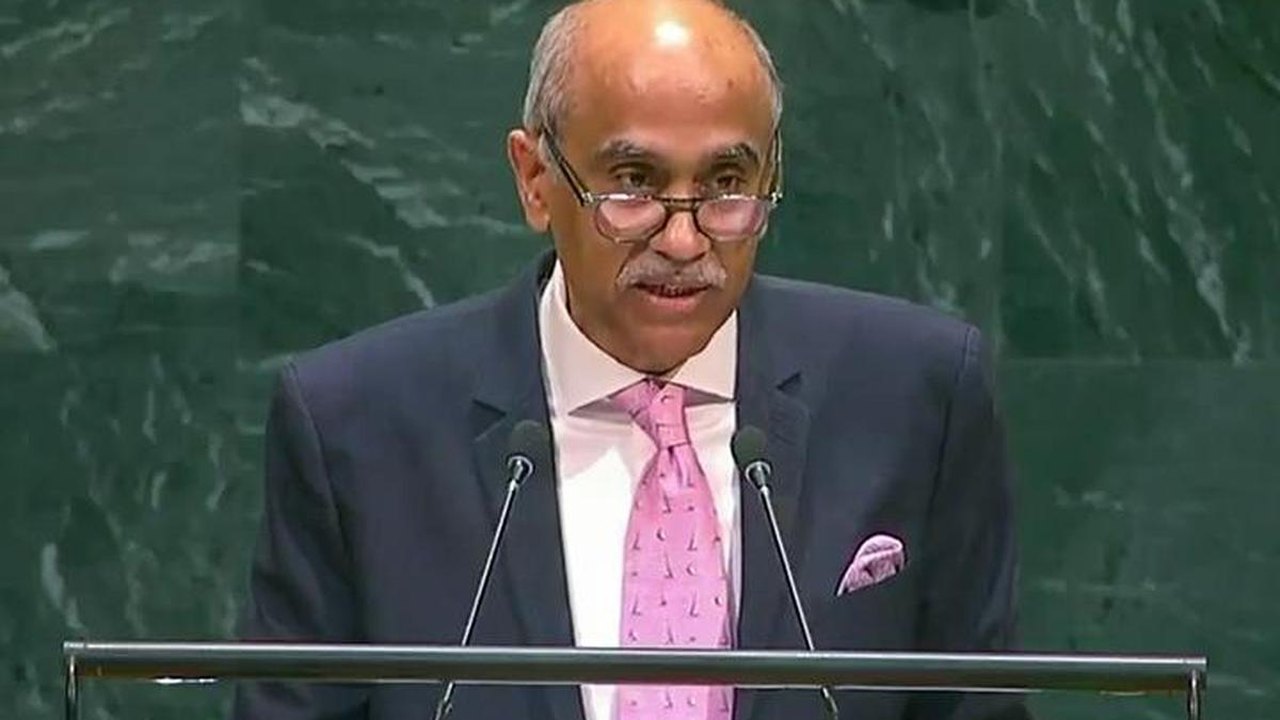
Image: The Hindu · Photo source · Resized and letterboxed to 16:9; no AI generation
Strategic Focus Areas
India has officially identified Artificial Intelligence (AI) and maritime security as the primary pillars of its candidature for a non-permanent seat on the UN Security Council (UNSC) for the 2028-29 term. During a high-level debate at the UN, India's Permanent Representative, Ambassador Harish Parvathaneni, articulated a vision where technology serves to enhance, rather than undermine, global safety.
Technology and Maritime Safety
India’s approach emphasizes the transformative potential of emerging technologies in the maritime domain:
- Enhanced Awareness: Utilizing AI-driven analysis of satellite imagery and vessel tracking to improve domain awareness.
- Operational Support: Strengthening search and rescue operations through autonomous systems and advanced surveillance.
- Cyber Resilience: Addressing the vulnerabilities of ports and undersea infrastructure to digital threats.
- Collaborative Frameworks: Promoting information-sharing platforms, such as India's Information Fusion Centre–Indian Ocean Region, to uphold the 'Security and Growth for All in the Region' (SAGAR) vision.
Governance and International Law
Ambassador Parvathaneni stressed that technological progress must be governed by international law, particularly the United Nations Convention on the Law of the Sea (UNCLOS). India maintains that:
- Developing nations must receive adequate support to build institutional capabilities.
- Human oversight and clear accountability are essential to manage the risks associated with autonomous systems.
- The UN Security Council should focus on technological developments that have clear implications for international peace, avoiding the duplication of roles performed by organizations like the International Maritime Organisation.
Context for 2028-29 Candidature
India is set to contest the election for the sole Asia-Pacific Group seat in June 2027 against Tajikistan. The nation has also used this platform to reiterate its long-standing position on broader UNSC reforms, advocating for a permanent seat and insisting that veto powers, if retained, should be held by all permanent members to ensure institutional fairness. To verify these statements, readers are encouraged to consult official transcripts from the United Nations Security Council meetings held during October 2026.
AI-assisted reporting; source claims are attributed and have not been independently verified.
More to read
 Data Security Council Launches India-Specific Guide on Agentic AI Liability
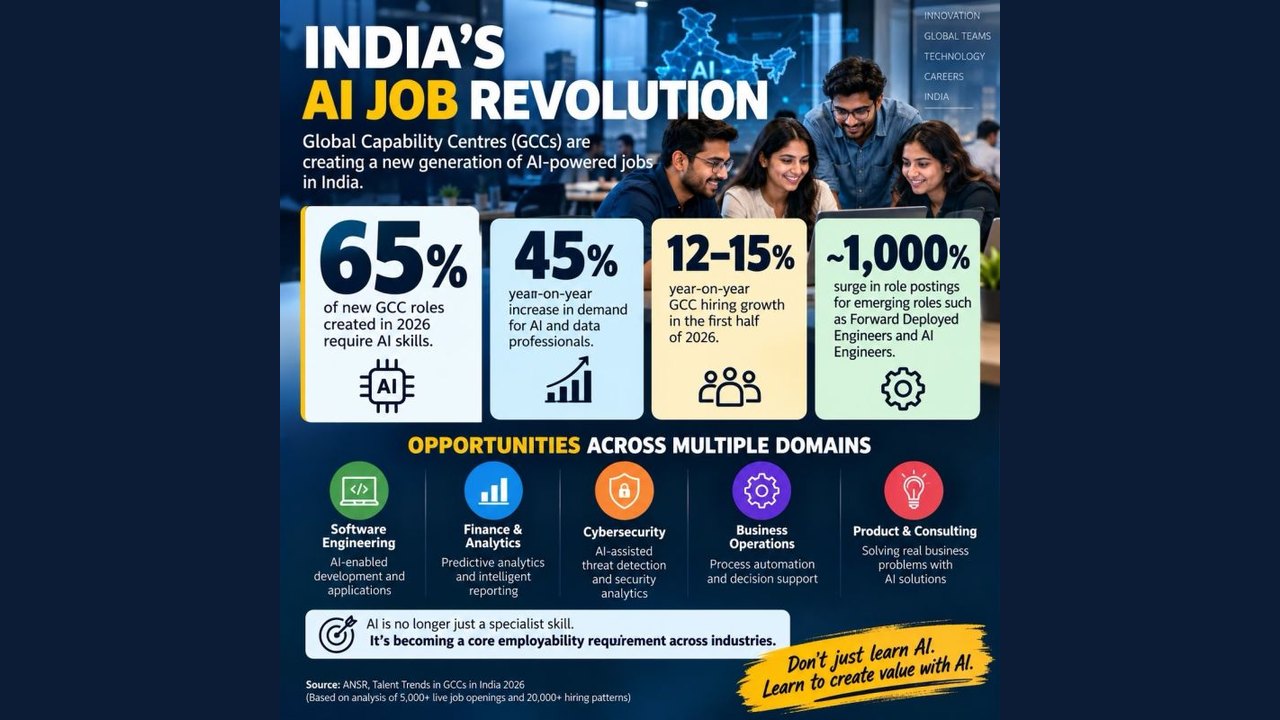 Report Highlights Rising Demand for AI Skills in India's Global Capability Centres
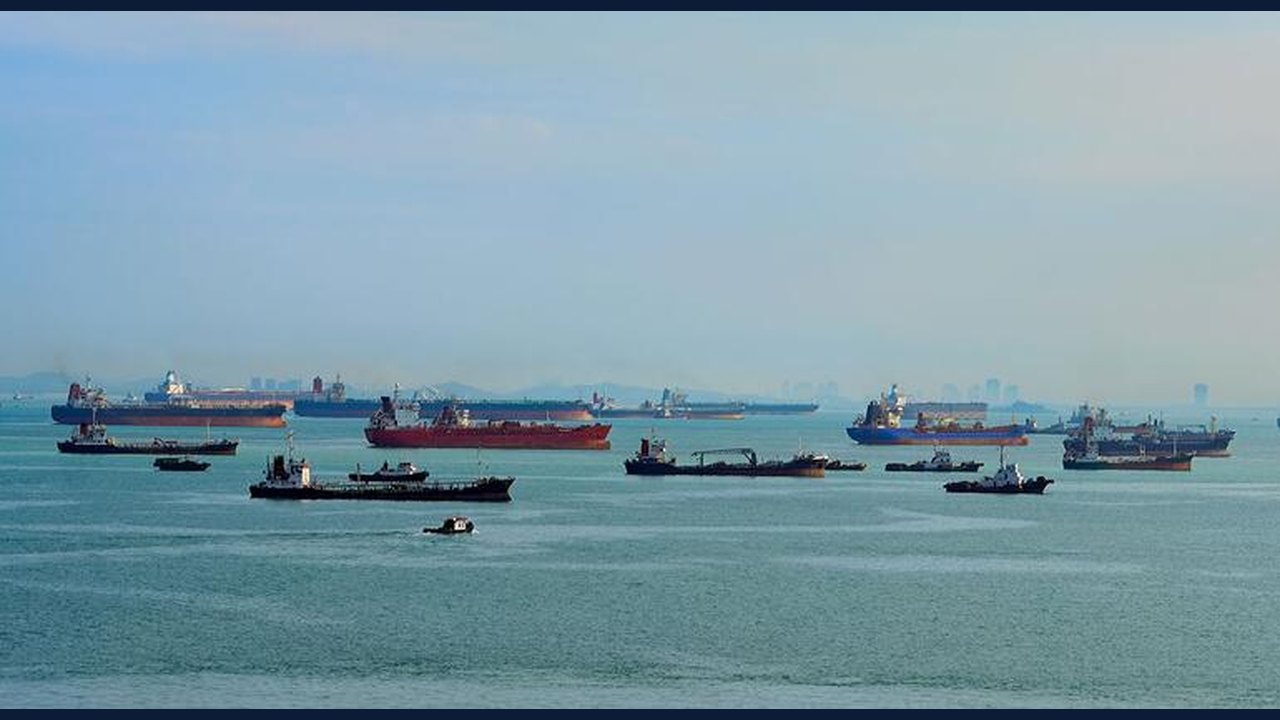 UN Security Council Examines Technology's Dual Role in Maritime Security and Shipping Lane Protection
 UN Daily Briefing Highlights Security Council Mandate Renewal for Colombia and Ongoing Humanitarian Crises
Related coverage
Related reporting available at publication.
Data Security Council Launches India-Specific Guide on Agentic AI LiabilityReport Highlights Rising Demand for AI Skills in India's Global Capability CentresUN Security Council Examines Technology's Dual Role in Maritime Security and Shipping Lane ProtectionUN Daily Briefing Highlights Security Council Mandate Renewal for Colombia and Ongoing Humanitarian Crises India Unveils Proposed Framework to Democratize AI Data Training
 Finding Old Photos Without Cloud AI: Exploring the Memoria Gallery App