India's AI Data Center Boom Sparks Debate Over Resource Costs and Human Intent
· GlobeWire Daily Editorial Desk · Source: navbharattimes.indiatimes.com
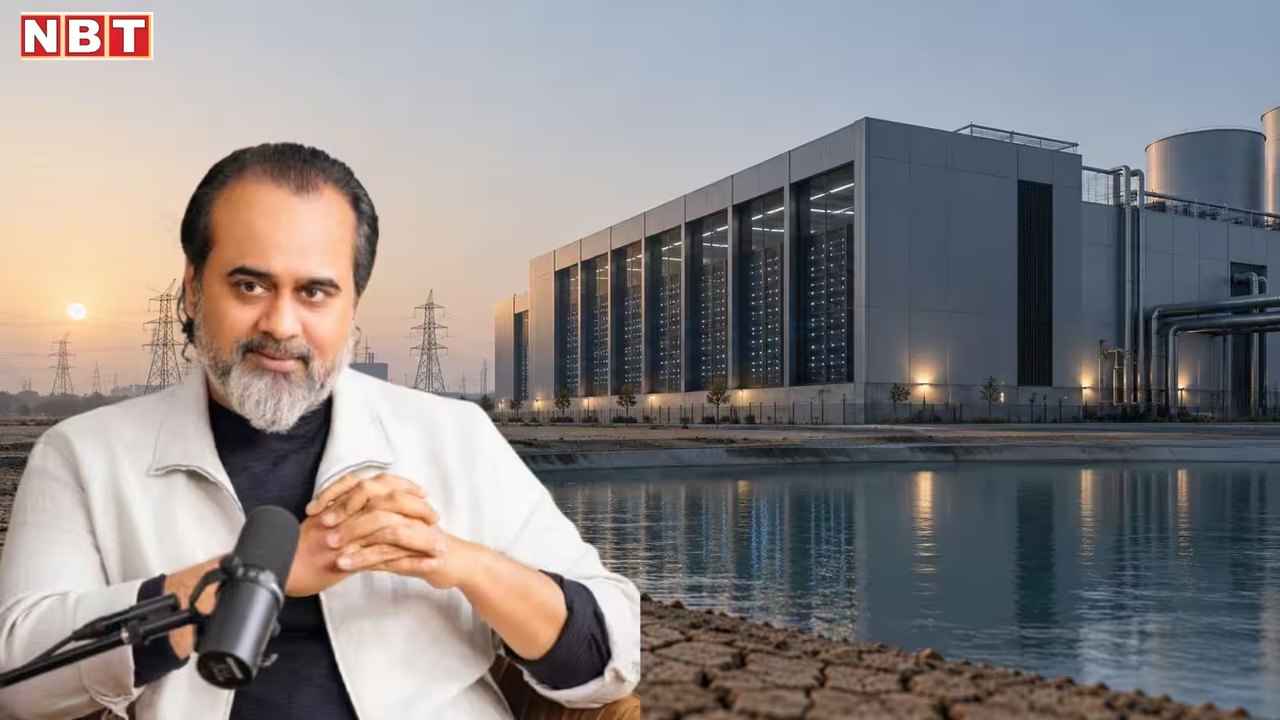
Image: Navbharat Times · Source image rights not independently verified · Photo source · Cropped to 16:9; original source image
India's Rapid Digital Infrastructure Expansion
India is experiencing a significant acceleration in the establishment of data centers, driven by investments and the global artificial intelligence landscape. According to government figures, the country's installed data center capacity grew from approximately 375 megawatts in 2020 to 1.57 gigawatts by August 2026. Projections from the Council on Energy, Environment and Water (CEEW) suggest this capacity could reach between 4.5 and 6.5 gigawatts by 2030, reflecting long-term expansion projections rather than current operational totals.
While this growth supports modern computing needs for research, medicine, education, and public services, it brings substantial physical demands. Industry growth relies on energy grids, complex manufacturing processes for semiconductors, and extensive water resources.
Environmental and Resource Pressures
Data centers require continuous power and cooling systems, translating to significant resource consumption:
- Energy Demand: International Energy Agency (IEA) data indicates global data centers consumed approximately 485 terawatt-hours in 2025, with projections reaching 950 terawatt-hours by 2030. In India, coal remains the primary source of electricity generation, raising questions about the carbon footprint of round-the-clock computing operations.
- Water Usage: A study by WRI India indicates that over half of India's data centers are located in water-stressed regions. While individual facilities may utilize treated wastewater for cooling or landscaping, local communities often voice concerns regarding environmental stress and infrastructure strain.
- Local Opposition: In Thane, Maharashtra, residents raised objections to a proposed Amazon Web Services data center project citing potential environmental impacts, noise, and resource strain, despite company assurances regarding water use and zero-water cooling designs.
Regulatory Frameworks and Policy Responses
In October 2026, NITI Aayog introduced an evaluation framework for data centers, advising states to assess grid readiness, local water stress, environmental impacts, and public benefits from government concessions. However, independent reviews, including CEEW analyses of state policies, note that binding sustainability mandates remain limited across jurisdictions.
Under the Union Budget for 2026-27, tax exemptions have been proposed through 2047 for qualifying foreign cloud service providers operating via Indian data centers to encourage computing exports. Observers emphasize the need to balance technological competitiveness with transparency regarding grid expansion costs, job creation, and resource allocation.
The Philosophical Dimension of AI Demand
Beyond technical and environmental metrics, commentators like philosopher Acharya Prashant argue that the core driver of exponential computing demand lies in human consumption patterns and psychological distraction. Digital platforms often leverage user insecurities and engagement metrics to drive continuous interaction, resulting in a feedback loop where computing power fuels further demand for digital engagement.
Experts note that while initiatives like the IndiaAI mission—providing subsidized GPU access to researchers and startups—bolster domestic technical capabilities, building infrastructure locally does not automatically guarantee local control over business models, chip supply chains, or ethical outcomes.
Verification and Further Inquiry
Readers seeking to verify details regarding specific data center proposals, environmental clearances, or policy frameworks can consult official publications from the Ministry of Environment, Forest and Climate Change, NITI Aayog policy documents, and reports from energy and environmental research institutions such as CEEW and WRI India.
AI-assisted reporting; source claims are attributed and have not been independently verified.
More to read
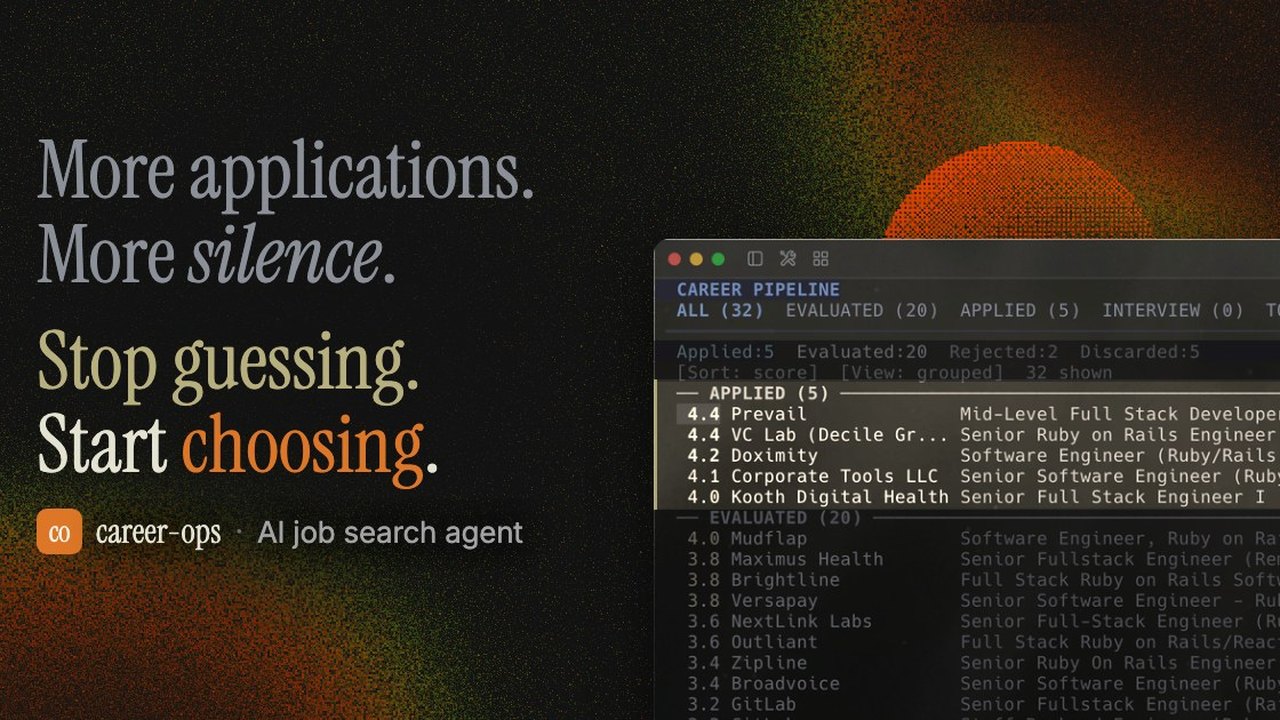 Open-Source AI Job Search Tool 'Career-Ops' Launches Locally via AI Coding CLIs
 ModelBest and OpenBMB Release MiniCPM-OCR Series for Efficient Document Parsing and Quality Control
 High-Street Fashion Embraces Luxury Strategies and AI Styling Tools to Win Back Shoppers
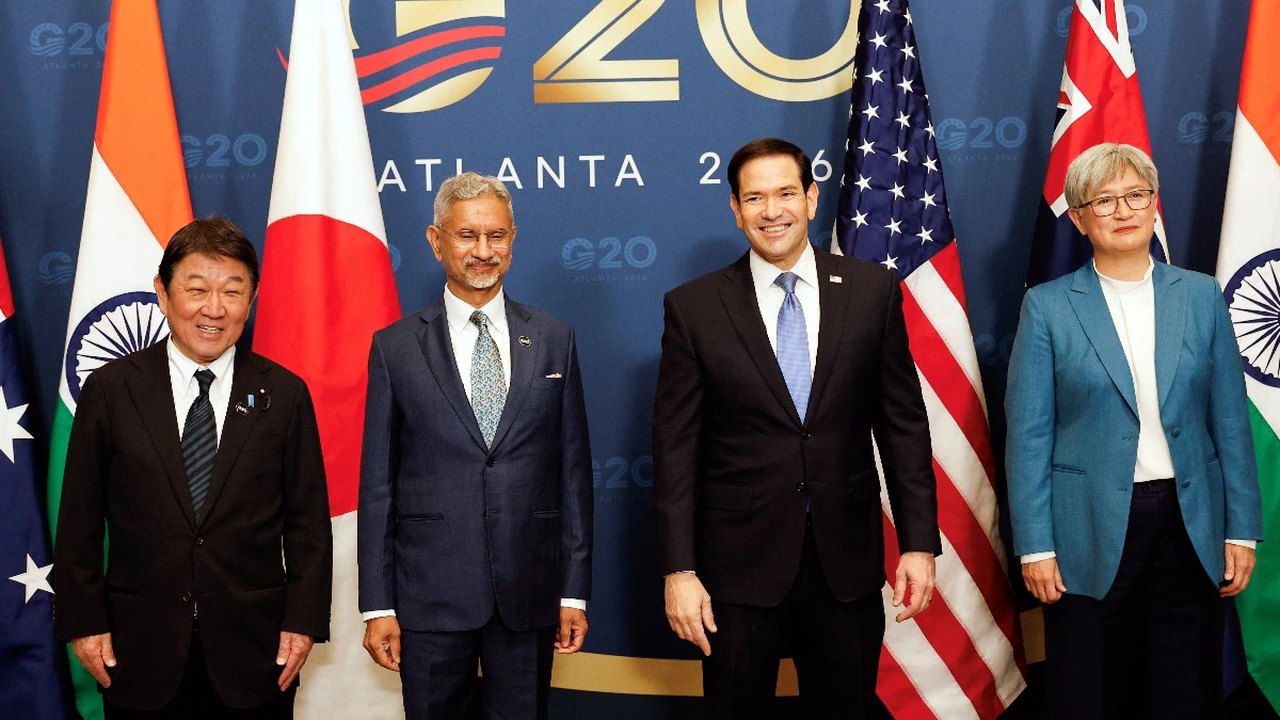 Quad Pledges Over $85 Million to Expand Trusted AI Access Across the Indo-Pacific
Trending on GlobeWire Daily
Selected from recent coverage and related topics; not live search rankings.
 Ray Parlour Backs Arsenal Teenager Max Dowman After Carabao Cup Red Card
 Pressure Mounts on Aberdeen Manager Stephen Robinson After Falkirk Defeat
 Callum McGregor Backs Jota and Kasper Hogh After Dundee United Draw
 Izzy Christiansen Praises Everton After Carabao Cup Victory Over Newcastle
 Everton Manager David Moyes Praises Squad Mentality After Carabao Cup Win
 Sunderland Face Premier League Relegation Battle Amid European Campaign