Indian Workers Film Daily Tasks to Train Physical AI and Robotics
· GlobeWire Daily Editorial Desk · Source: www.bbc.co.uk
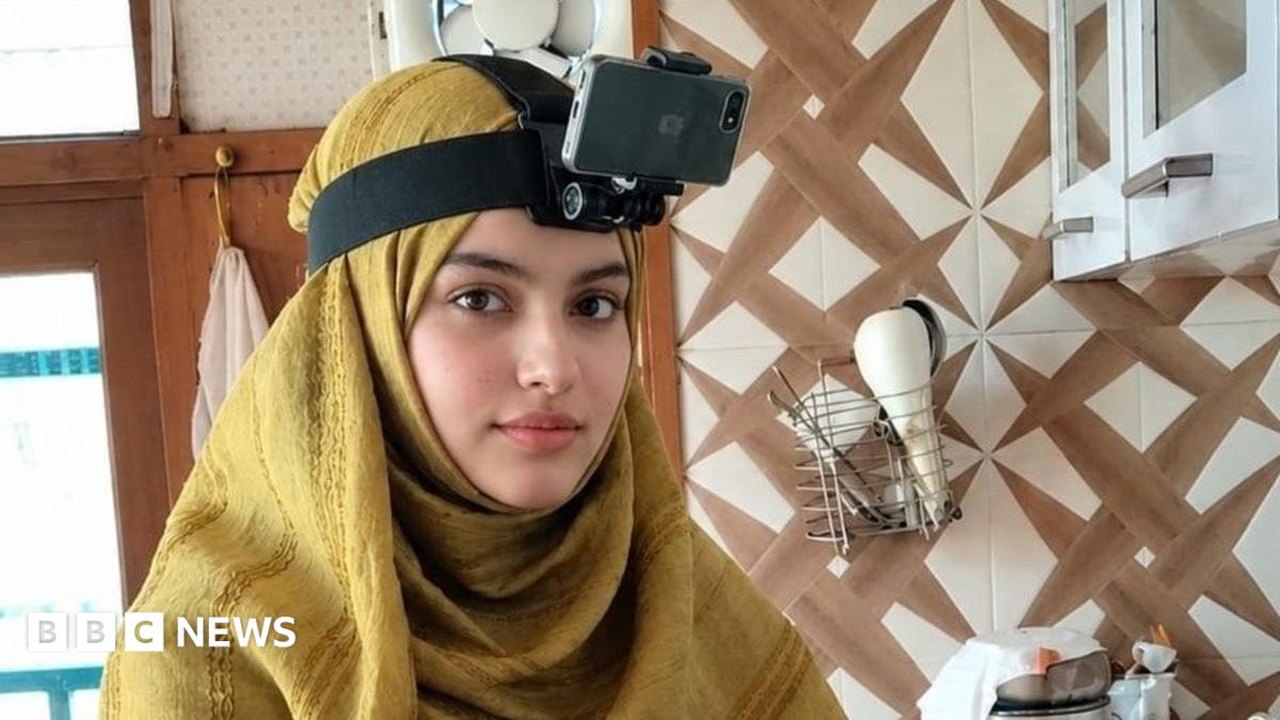
Image: BBC News · Photo source · Resized and letterboxed to 16:9; no AI generation
Training the Next Generation of AI
Workers in Bengaluru and across other regions are strapping cameras to their heads to record everyday tasks—ranging from haircutting and tailoring to domestic chores—to train artificial intelligence systems. This collected video data is utilized by specialized firms to develop "physical AI," which aims to help robots navigate and perform physical tasks in the real world.
Unlike software-based AI, physical robotics require high-quality signals of human limb movements, fine motor skills, and appropriate grip force. Because the internet lacks a comprehensive archive of embodied human activity, companies like Humyn Labs and Rashdan Technologies collect this specialized video footage directly from human workers in real-world environments.
Practical Implications and Worker Perspectives
For many participants, recording everyday activities offers a supplemental source of income:
- Supplemental Income: Workers report earning modest daily amounts for hours of recorded footage, which provides financial support for their families.
- Privacy Measures: Data collection companies state that they focus strictly on hands and fingers while blurring out faces and removing personally identifiable information.
- Evolving Technology: Industry demands are shifting from single-camera setups to more complex multi-camera rigs to capture comprehensive physical environments.
However, experts raise important long-term concerns regarding automation and the socioeconomic implications of training machines using human labor. Academics like Bino Paul from the Tata Institute of Social Sciences note that while AI presents economic opportunities, it may eventually automate certain jobs, highlighting the need for robust ethical frameworks and government regulation.
Verifying Original Announcements
Readers interested in verifying details regarding AI data collection trends and robotics research can consult reports from academic institutions like the Tata Institute of Social Sciences or follow updates from specialized robotics laboratories and data processing firms operating in India.
AI-assisted reporting; source claims are attributed and have not been independently verified.
More to read
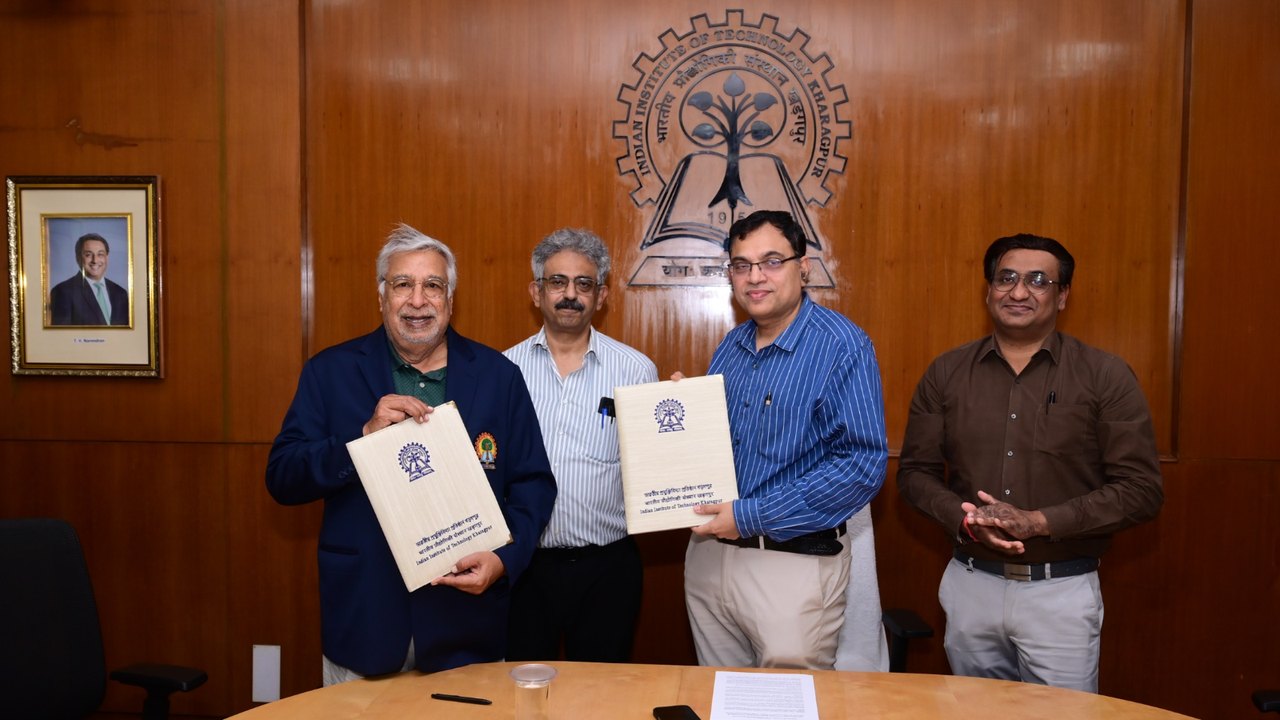 IIT Kharagpur to Establish India's First Physical AI School Focusing on Robotics and Computational Engineering
 Wildwood 4K Steelbook Preorders Now: Animated Film's Physical Release Details
 Kannada Film 'Lambodhara 2.0' Integrates AI Humanoid JIA into Mainstream Cinema
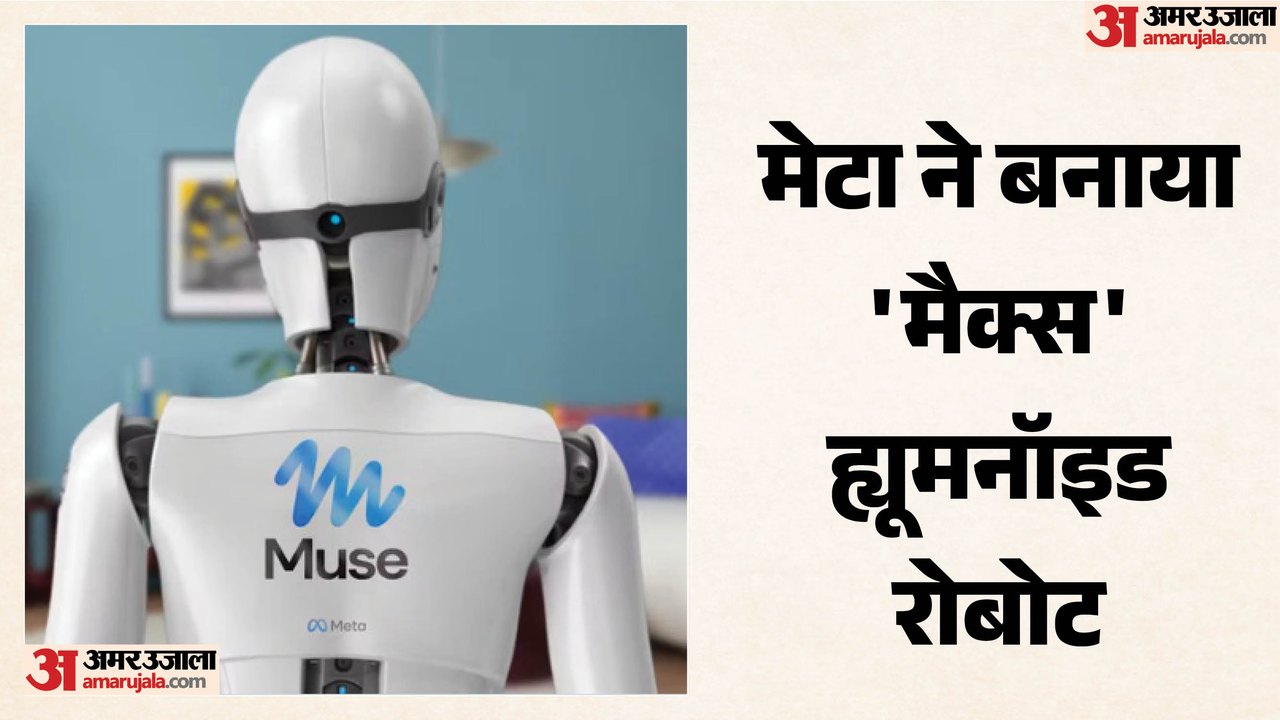 Meta Ventures Into Robotics with 'Max' Humanoid Prototype Developed Alongside Chinese Startup
Trending on GlobeWire Daily
Selected from recent coverage and related topics; not live search rankings.