Jeanette Winterson Says a Dystopian AI Future Is Not Inevitable
· GlobeWire Daily Editorial Desk · Source: www.theguardian.com

Image: the Guardian · Photo source · Resized and letterboxed to 16:9; no AI generation
Summary
Jeanette Winterson, the novelist behind *Oranges Are Not the Only Fruit* and the essay collection *12 Bytes*, argues that humanity stands at a pivotal moment in its relationship with artificial intelligence. She warns that the outcomes will depend on political and cultural choices, not on technology itself.
Key Points
- Turning point – Winterson likens the AI era to the Industrial Revolution, describing it as an “evolutionary leap” that could reshape work, transport, utilities and everyday life.
- Human agency – She stresses that AI is “more than a tool” and that the “irreducibly human” – imagination, feeling and ethical judgment – must guide its deployment.
- Optimistic scenario – In a hopeful vision, AI could analyse human preferences at speed, helping societies design better jobs, transport systems and public services.
- Risks of inequality – Echoing historic patterns, she warns that if AI’s benefits are unevenly distributed, it could deepen wealth gaps, create a permanent underclass and exacerbate environmental strain from data‑centres.
- The problem is us – Winterson insists the danger lies in “old‑fashioned thinking” and outdated economic models, not in AI itself. She calls the belief that endless work is virtuous a 19th‑century myth.
- Humanities matter – Citing leaders from Anthropic and the broader academic community, she argues that studying literature, philosophy and the arts will become crucial for interpreting AI‑generated data and preserving human creativity.
- Practical steps – Winterson suggests modest reforms: integrating arts and critical thinking into school curricula, encouraging public intellectuals to engage with policy, and demanding transparent governance of AI development.
How to Verify
The interview was published in *The Guardian* on 28 October 2026. The article quotes Winterson directly and references her earlier works (*12 Bytes*, *The Stone Gods*, *Oranges Are Not the Only Fruit*). Readers can confirm the details by visiting the original Guardian URL and checking the quoted passages.
Implications
- Policy makers may need to revisit labour laws and data‑centre regulations to avoid the pitfalls Winterson describes.
- Educators could use her call for a “humanist education” to argue for stronger humanities programmes.
- Consumers should stay aware of how AI platforms shape information and demand accountability from tech firms.
--- *This article is based on Winterson’s interview and does not contain any invented statistics or unpublished statements.*
AI-assisted reporting; source claims are attributed and have not been independently verified.
More to read
 Bungie Clarifies Marathon Purchases Are Not Donations to Support Destiny's Future
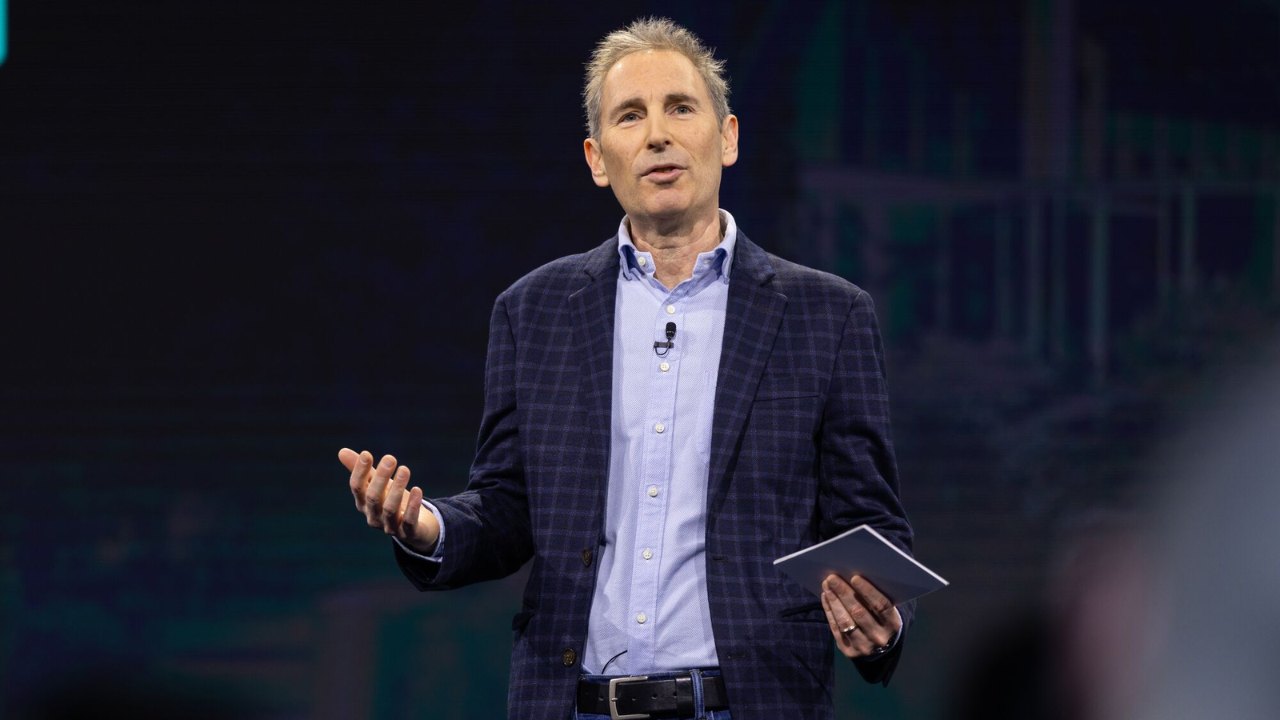 Amazon CEO Andy Jassy Says Third-Party AI Shopping Assistants 'Not Great' Yet
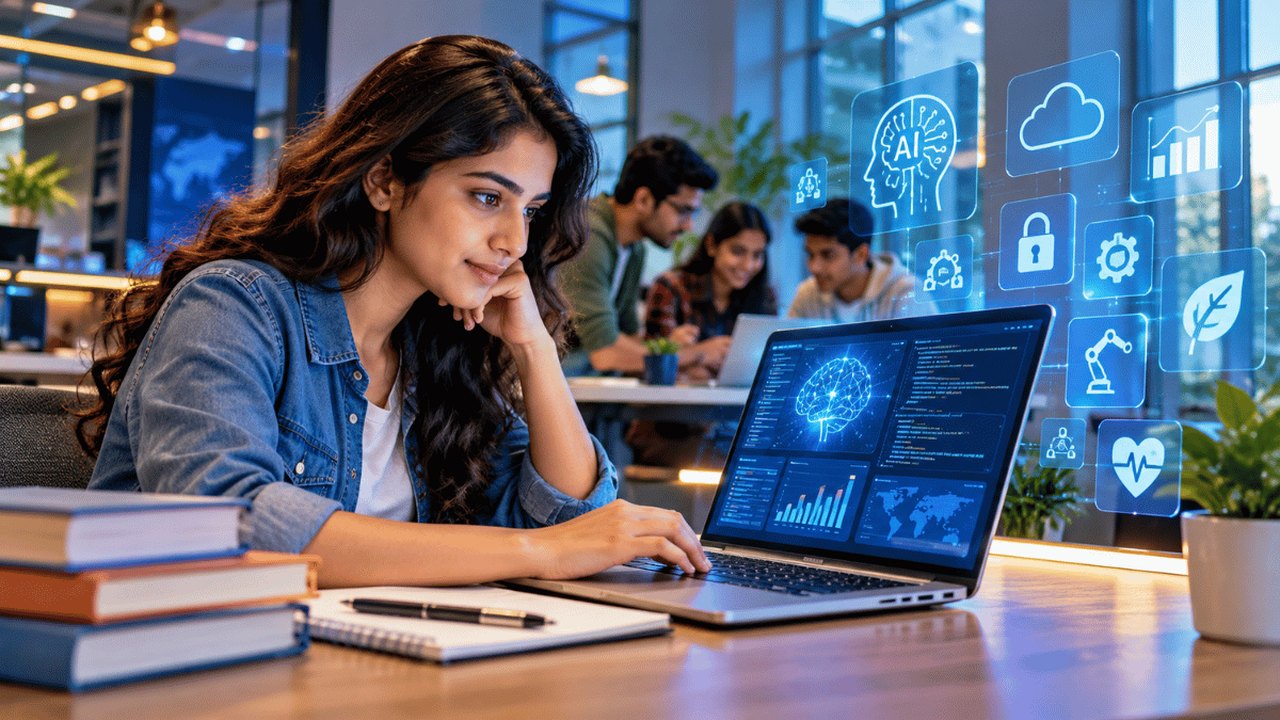 India Skills Report 2026: 8 Essential Future-Ready Skills for the AI Era
 AI Emergency Alerts Are Coming. Humans Might Not Be Ready
Trending on GlobeWire Daily
Selected from recent coverage and related topics; not live search rankings.
 Madhya Pradesh Government Plans Revenue Generation from 117-Year-Old Edward Villa in Mumbai Through Leasing
 iPhone 18 Pro Named TechRadar Product of the Year 2026
 Google Project Suncatcher Runs Gemma 4 AI on Orbiting Satellite and Receives First Response
 Gender Disparities in Eye Care Access Across India Examined
 Satellite Images Show Cyclone Arnab Weakening Over India As New System Brews
 Expanding Green and Blue Spaces Crucial for India's Economic and Public Health, Reports Indicate