Malaysian Customs Confiscate $12.1 Million in Advanced AI Chips Hidden in 30 Server Units
· GlobeWire Daily Editorial Desk · Source: timesofindia.indiatimes.com
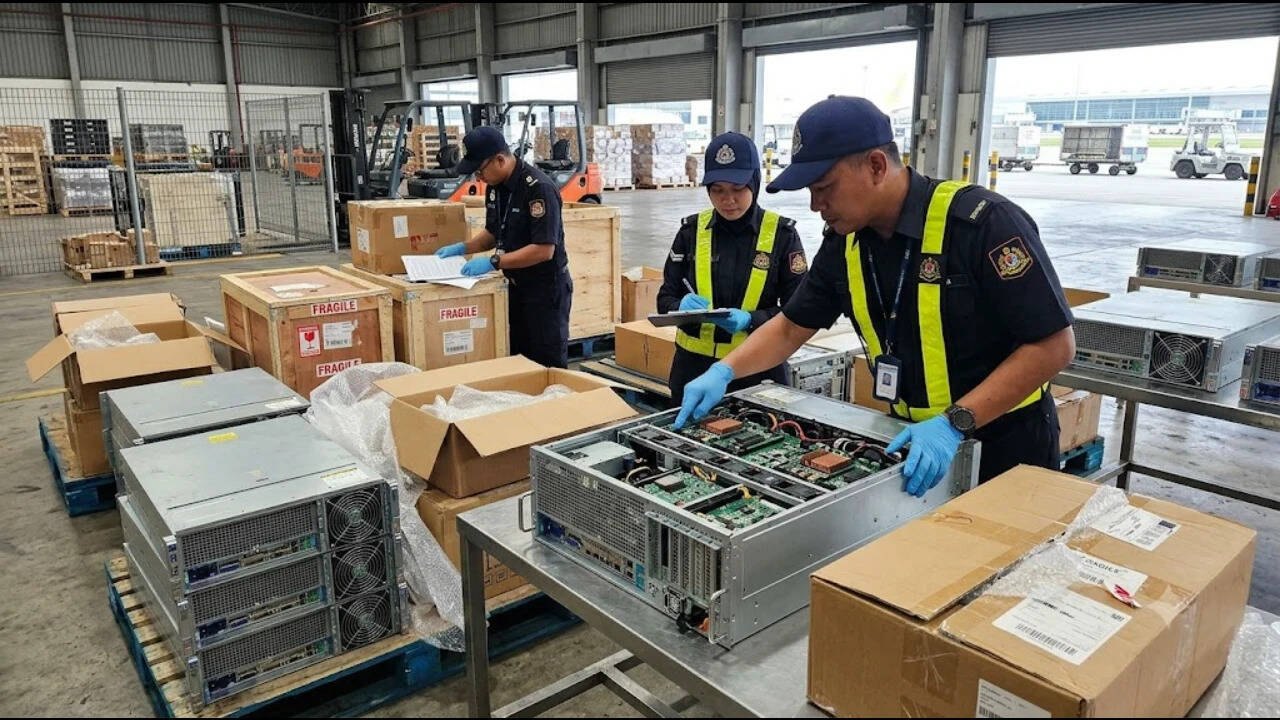
Image: The Times of India · Photo source · Resized and letterboxed to 16:9; no AI generation
What happened
Malaysian customs officials seized 30 server units at Kuala Lumpur International Airport that were carrying advanced artificial‑intelligence (AI) chips valued at roughly $12.1 million. The shipment was falsely declared as generic electronic components, a tactic meant to bypass Malaysia’s export‑control rules.
Who is involved
- Customs investigators – leading the seizure and the ongoing probe.
- A suspected syndicate – Reuters links the case to a network that has been implicated in at least five similar seizures, totalling more than 100 million ringgit in semiconductor value.
- A Malaysian firm – identified as having facilitated the shipment; authorities have called the company in for questioning.
- Potential source and destination – officials say the servers originated from an unnamed Asian country and were slated for re‑export to another regional market, but the exact origins and final destination remain undisclosed.
Context of export controls
- Malaysia introduced export controls on U.S.–origin AI chips in 2025, after pressure from Washington to limit the flow of high‑performance technology to China.
- The controls are enforced under the Strategic Trade Act 2010, which requires a trade permit for re‑export of such items.
- Earlier in June 2026, customs seized 72 server units worth about $12.93 million under a similar false‑declaration scheme.
Why it matters
- National security – Advanced AI chips are critical for training large‑scale models; their uncontrolled spread can bolster rival military‑AI programs.
- Trade compliance – The case shows how customs is scrutinising not only the chips themselves but also the way they are packaged and declared.
- Industry impact – Companies that rely on U.S.‑made semiconductors must now verify that their logistics chains respect Malaysia’s permit requirements.
How to verify the information
- Check Reuters’ original report (date and article ID) for the primary source.
- Review statements from Malaysia’s Royal Malaysian Customs Department, typically posted on their official website or press releases.
- Consult the Strategic Trade Act 2010 for the legal definition of “re‑export” and permit obligations.
- Monitor follow‑up coverage from reputable outlets such as *The Times of India* and *TRT World* for updates on the investigation.
--- *All statements that are not directly confirmed by customs or Reuters are labelled as reported claims. The investigation is ongoing, so details may change.*
AI-assisted reporting; source claims are attributed and have not been independently verified.
More to read
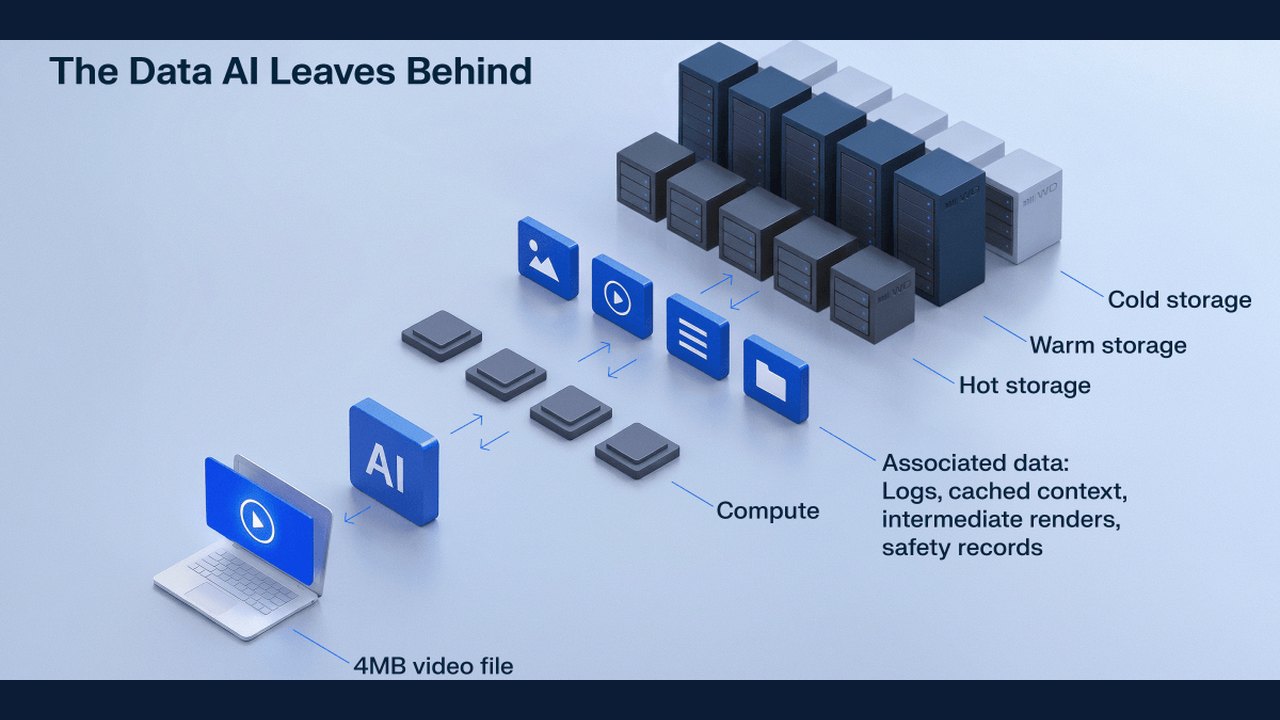 AI’s Hidden Storage Bill: What Inference Leaves Behind
 XERJ Brings Local AI Search and MCP Server Capabilities to Coding Agents
 Tata Communications Announces $450 Million Investment for India's AI Infrastructure
 AI Startup SuperMe Secures $20 Million to Scale Expert Knowledge Network
Related coverage
Related reporting available at publication.
AI’s Hidden Storage Bill: What Inference Leaves BehindXERJ Brings Local AI Search and MCP Server Capabilities to Coding AgentsTata Communications Announces $450 Million Investment for India's AI InfrastructureAI Startup SuperMe Secures $20 Million to Scale Expert Knowledge Network OpenAI Adopts Unified Signal for Website AI Training Preferences
 OpenAI Expands Frontier‑Model Misalignment Monitoring After Hugging Face Incident