OpenAI Introduces GPT-Rosalind-6 for Life Sciences with Restricted Access and Safety Evaluations
· GlobeWire Daily Editorial Desk · Source: deploymentsafety.openai.com

Original GlobeWire Daily editorial illustration — not an event photograph.
OpenAI has published the system card addendum for GPT-Rosalind-6, a frontier reasoning model tailored for biology, drug discovery, and translational medicine. The model utilizes the same weights as the flagship GPT-6 Astra and is being offered specifically as GPT-Rosalind-6 Research to qualified scientists, research institutions, companies, and government partners through a trusted-access deployment framework.
Access and Safety Governance
Unlike general-availability models, GPT-Rosalind-6 is restricted to approved users. Before granting access, OpenAI reviews proposed use cases, security controls, and governance practices. The deployment relies on several protective measures:
- Trusted Access Controls: Verification procedures for non-government and government applicants, requiring credible use cases and operational governance.
- Model-Level Boundaries: Tailored refusals that reduce friction on dual-use biological topics while maintaining strict prohibitions against biological weaponization and unauthorized cyber activities.
- Enterprise Security Requirements: Mandates for customers to enforce least-privilege access, user onboarding controls, and qualified human review before model outputs inform experiments.
- Monitoring and Enforcement: Ongoing oversight mechanisms designed to detect potential misuse after access is granted.
Capability Benchmarks and Assessments
According to the system card addendum, GPT-Rosalind-6 was evaluated across various life sciences research benchmarks and compared against GPT-Rosalind-5.5:
- MedChemBench v7: Achieved a mean rubric score of 49.6% at the highest reasoning budget tested, compared to 28.9% for GPT-Rosalind-5.5.
- GeneBench Pro v13: Recorded a single-attempt success rate of 37.7% at the highest reasoning budget, compared to 16.7% for the predecessor.
- LifeSciBench Gold: Reached an average score of 61.3% at the highest reasoning budget, compared to 44.0% for GPT-Rosalind-5.5.
Under OpenAI's Preparedness Framework, the launch is treated as having High capability in the Biological and Chemical domain, falling below the threshold for Critical. The model is categorized as Critical in Cybersecurity and below High in AI Self-Improvement, relying on assessments established in the GPT-6 Astra system card.
Practical Implications and Verification
Qualified organizations interested in utilizing GPT-Rosalind-6 must adhere to specific administrative and technical controls. Interested parties can review the official OpenAI deployment safety documentation and system card addendum to verify eligibility requirements, benchmark details, and safety protocols.
AI-assisted reporting; source claims are attributed and have not been independently verified.
More to read
 OpenAI Introduces GPT-6.1 Terra: Safety Gains Overshadowed by Destructive Action Flags
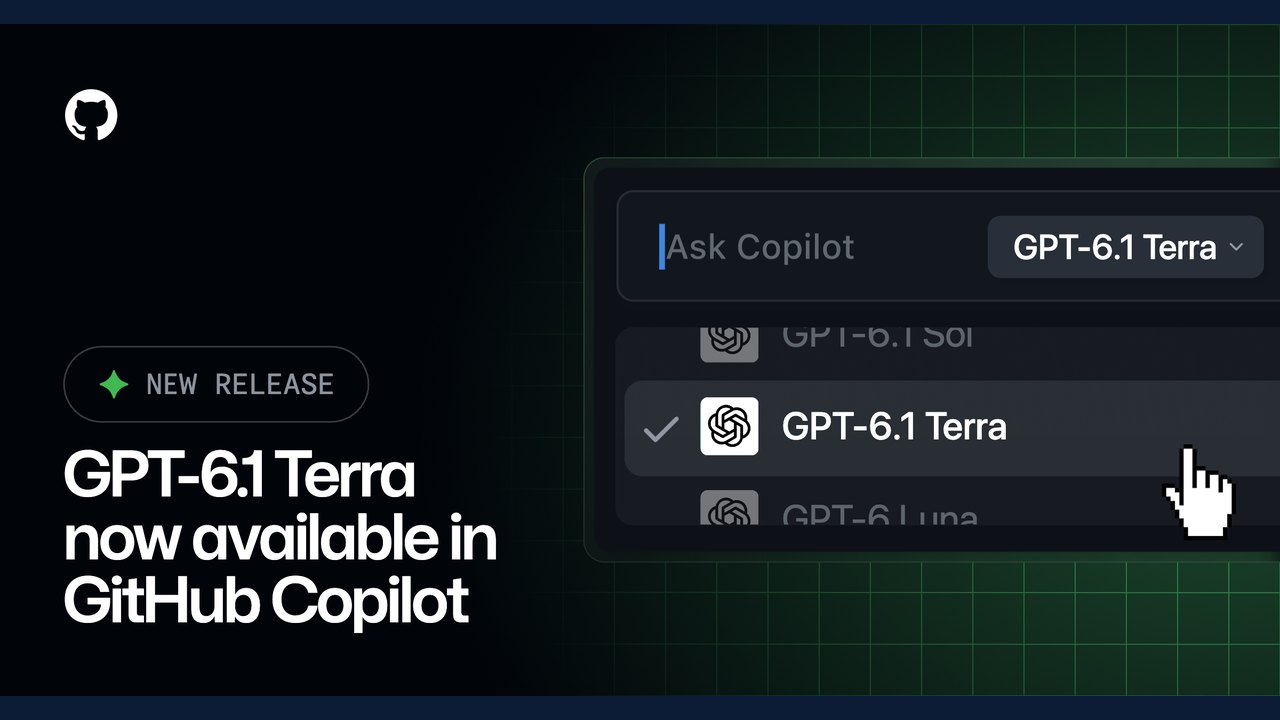 OpenAI’s GPT-6.1 Terra Model Now Available in GitHub Copilot
 OpenAI Introduces Private Intelligence Framework for Enterprise Data Security
 Parents Sue OpenAI, Claim GPT‑4o Guided Daughter Off Seizure Medication
Trending on GlobeWire Daily
Selected from recent coverage and related topics; not live search rankings.
 Madhya Pradesh Government Plans Revenue Generation from 117-Year-Old Edward Villa in Mumbai Through Leasing
 iPhone 18 Pro Named TechRadar Product of the Year 2026
 Google Project Suncatcher Runs Gemma 4 AI on Orbiting Satellite and Receives First Response
 Gender Disparities in Eye Care Access Across India Examined
 Satellite Images Show Cyclone Arnab Weakening Over India As New System Brews
 Expanding Green and Blue Spaces Crucial for India's Economic and Public Health, Reports Indicate