South Korean City Chuncheon Adopts St. John's College 'Great Books' Model to Counter AI Reliance
· GlobeWire Daily Editorial Desk · Source: journalarta.com
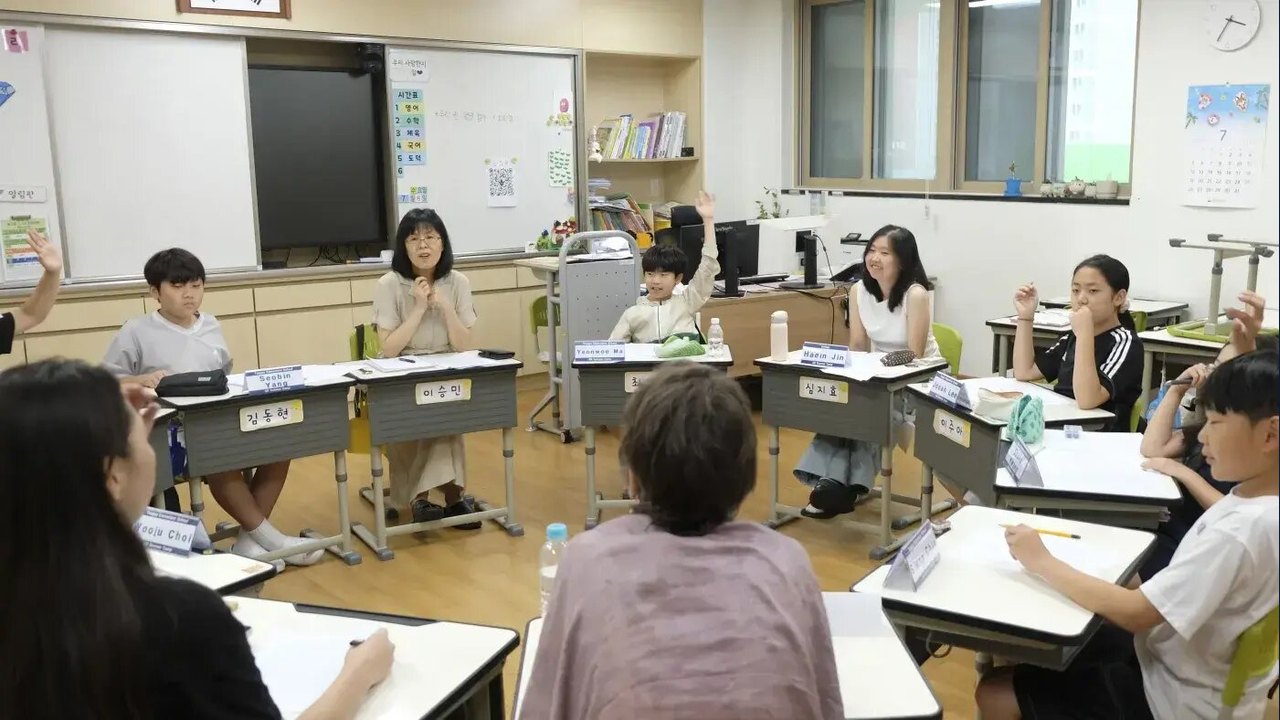
Image: journalarta.com · Photo source · Resized and letterboxed to 16:9; no AI generation
South Korea's Chuncheon city has established an academic partnership with St. John's College to introduce its discussion-based 'Great Books' teaching model to local schools. Officials and educators report that the initiative aims to foster independent student thinking as artificial intelligence tools become more widespread in classrooms.
Classroom Implementation and Method
At Toegye public elementary school in Chuncheon, teachers facilitate open-ended student discussions instead of traditional lecturing. During a recent class exploring Mary Shelley's novel *Frankenstein*, students debated whether the monster or artificial intelligence could be considered human. Student Ma Yeonwoo noted that while AI is intelligent, it lacks creativity and a soul.
Key elements of the Great Books approach include:
- No Lectures: Instructors act solely as guides for peer discussion.
- Internal Reasoning: Students rely on assigned texts, personal logic, and classmate debate rather than internet searches or external sources.
- Core Focus: The curriculum dispenses with majors and elective courses in favor of deep textual engagement.
Context and Educational Pressures
Local educators and officials note several challenges driving the adoption of alternative teaching methods:
- Reading and Testing Trends: International assessments like PISA have indicated a post-COVID decline in South Korean reading proficiency.
- Widespread AI Usage: OECD data indicates that 51% of South Korean students utilize AI chatbots for study at least weekly.
- Intense Competition: Extreme academic pressure for college entrance exams often starts as early as pre-K, leading many families to utilize cram schools.
Incheon National University professor Lee Yonghwa, a St. John's College graduate who co-founded South Korea's first Great Books program in 2019, stated that heavy testing pressures leave students little time to read or think. He cautioned that students relying primarily on AI for facts may lose their capacity to memorize and evaluate information independently.
Local Leadership and Verification
Chuncheon Mayor Yook Dong-han stated that his personal experiences with the traditional educational system motivated him to introduce a different educational philosophy to the city.
Observers and interested parties can verify official municipal education announcements through the Chuncheon city government's official public portals and records. Readers should note that this teaching initiative is in its early stages and currently operates as a local municipal pilot approach rather than a nationwide mandate.
AI-assisted reporting; source claims are attributed and have not been independently verified.
More to read
 Revised South Korean Military Academy Merger Plan Faces Persistent Scrutiny
 Doctors Remove 11 Living Worms from South Korean Man's Eyes in Rare Parasitic Infection
 South Korean Football in Crisis Amidst Internal Rifts and Leadership Void
 South Korean Prosecutors Seek Death Penalty for Former President Yoon Suk-yeol in Martial Law Appeal