Trojanized Claude Code Extension Distributed on Cursor Marketplace With SSH Backdoor
· GlobeWire Daily Editorial Desk · Source: thehackernews.com
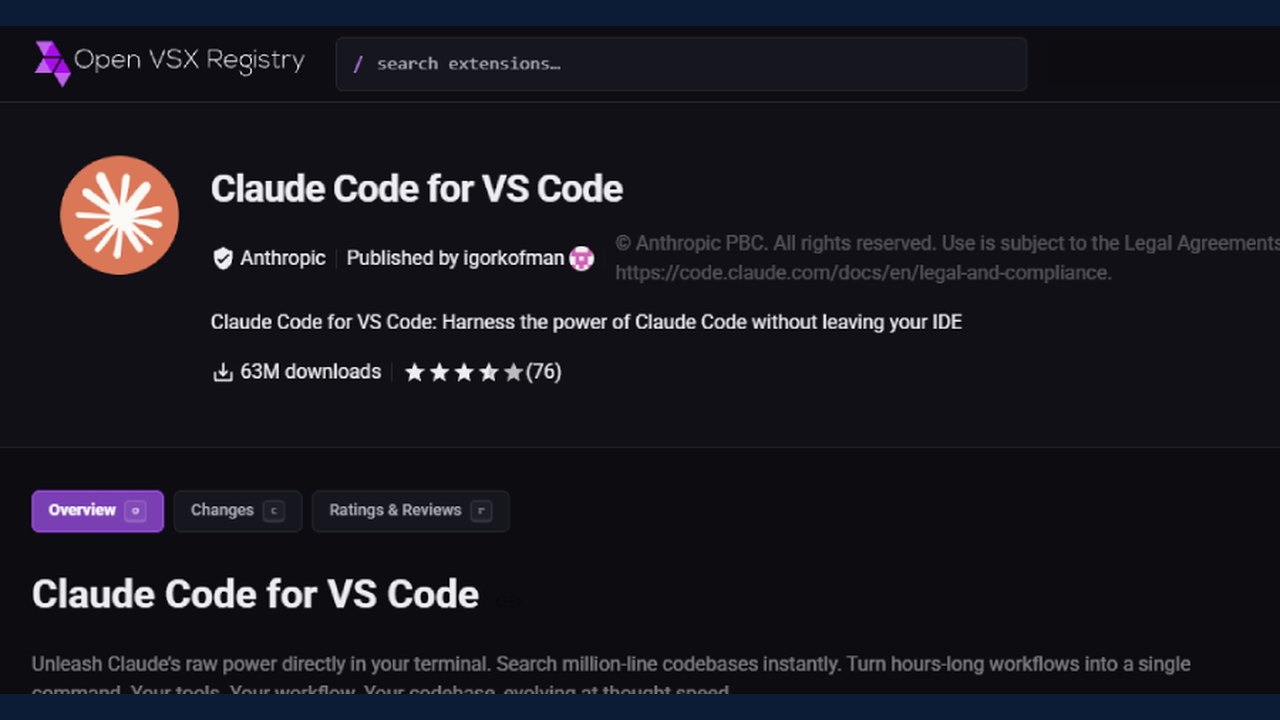
Image: The Hacker News · Photo source · Resized and letterboxed to 16:9; no AI generation
Cybersecurity researchers have disclosed that a trojanized version of Anthropic's official Claude Code extension was distributed via the Cursor Marketplace as a legitimate update. The incident involved malicious versions 2.1.312 and 2.1.313, which attempted to install a persistent SSH backdoor on affected developer systems.
According to disclosed details, the unauthorized update was published under Anthropic's legitimate extension identifier. Cursor temporarily shut down its marketplace following the discovery to remove the compromised package. Analysts noted that the malicious update was isolated to the Cursor IDE extension marketplace, with no evidence of impact on Microsoft's official VS Code Marketplace or the Open VSX registry.
How the Malicious Extension Operates
Security analysis revealed that the compromised package contained an inserted JavaScript loader designed to execute upon startup and webview activation:
- SSH Key Injection: Adds an attacker-controlled key labeled "svc-telemetry" to the user's `~/.ssh/authorized_keys` file.
- Reverse Tunneling: Attempts to establish a reverse SSH tunnel pointing to an external IP address (`134.209.82[.]225`).
- Persistence Mechanisms: Installs platform-specific persistence via scheduled tasks, crontab entries, or LaunchAgents depending on the operating system.
- Data Exfiltration: Transmits host reconnaissance data, including the home directory, current working directory, global Git email, and environment variable names containing terms like KEY, TOKEN, or SECRET, to an unencrypted HTTP endpoint.
Industry analysts noted that while turning on a local SSH service typically requires administrator rights—which the extension often lacked on macOS and Windows hosts—the backdoor still succeeded in writing unauthorized SSH keys, creating persistence artifacts, and exfiltrating reconnaissance data.
Impact and Response
Cursor reported that at most 5,000 users were affected during the window the malicious versions were live on October 29, 2026. Anthropic clarified that its own internal systems were not compromised and that the threat actor used external marketplace access to publish the tampered package.
In response, Cursor rotated its keys, rebuilt the marketplace, and disabled the attacker's server infrastructure. Microsoft and security firms have urged affected organizations to verify system logs, isolate impacted hosts, remove unauthorized SSH keys and persistence artifacts, and rotate exposed credentials.
AI-assisted reporting; source claims are attributed and have not been independently verified.
More to read
 Malicious Claude Code VS Code Extension on Cursor Marketplace Briefly Installed SSH Backdoors on Thousands of Developers’ Machines
 Cursor Shuts Down Marketplace After Malicious Claude Code Extension Affects Users
 Malicious Anthropic Claude Extension Targets Thousands of Cursor Users
 Hallmark Skill Promises AI‑Generated Design Detection for Claude Code, Cursor, Codex
Trending on GlobeWire Daily
Selected from recent coverage and related topics; not live search rankings.
 Madhya Pradesh Government Plans Revenue Generation from 117-Year-Old Edward Villa in Mumbai Through Leasing
 iPhone 18 Pro Named TechRadar Product of the Year 2026
 Google Project Suncatcher Runs Gemma 4 AI on Orbiting Satellite and Receives First Response
 Gender Disparities in Eye Care Access Across India Examined
 Satellite Images Show Cyclone Arnab Weakening Over India As New System Brews
 Expanding Green and Blue Spaces Crucial for India's Economic and Public Health, Reports Indicate