US Cannabis Farms Evaluated for Potential Data Center Conversions
· GlobeWire Daily Editorial Desk · Source: www.techradar.com
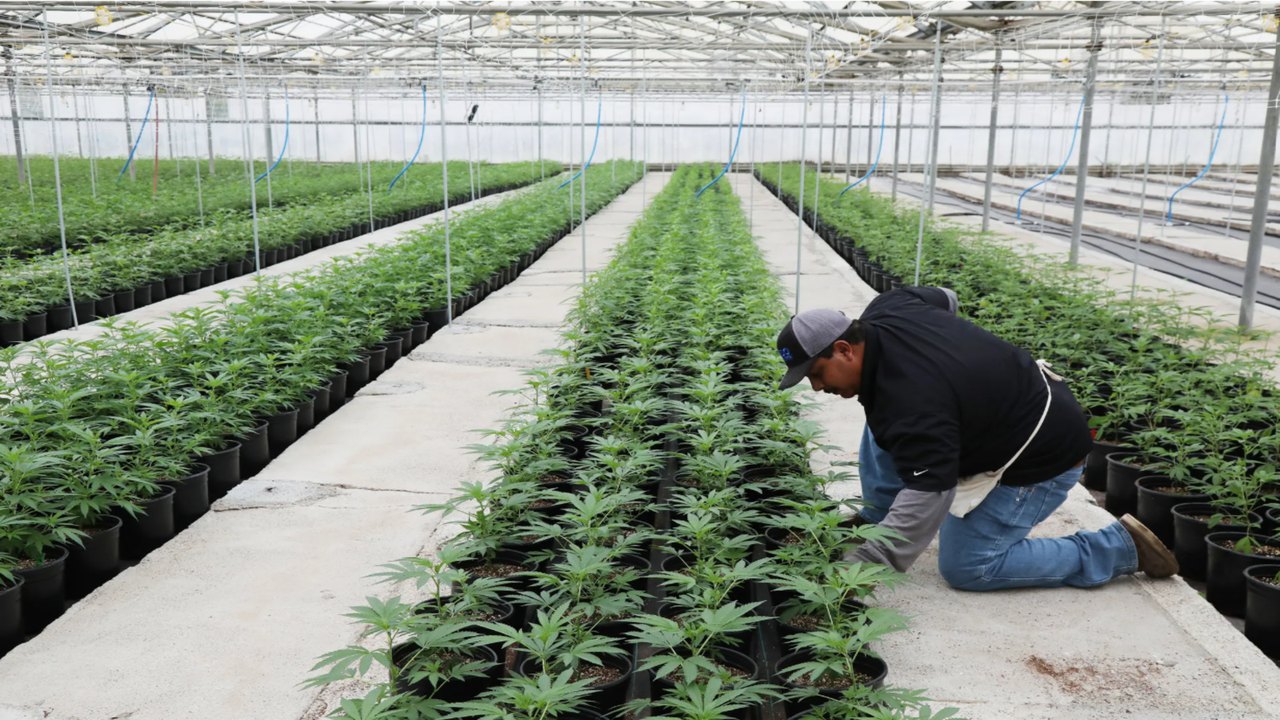
Image: TechRadar · Photo source · Resized and letterboxed to 16:9; no AI generation
As the artificial intelligence sector expands, reports suggest that developers are evaluating former marijuana cultivation facilities as potential sites for small-scale data centers. This trend is driven by a combination of declining cannabis revenues and the specific infrastructure already present in these agricultural properties.
Infrastructure Advantages
Cannabis cultivation facilities often mirror the needs of small computing nodes due to their existing industrial setups:
- High Power Capacity: Indoor farming requires significant electricity for lighting and climate control. For example, a Michigan property currently offers 1.5 megawatts, with the potential to scale to 15 megawatts.
- Thermal Management: Advanced heating, ventilation, and air conditioning (HVAC) systems are standard for maintaining precise indoor environments for weed production, which can be adapted for server cooling.
- Connectivity: Many such properties are equipped with fiber internet access.
Practical Obstacles and Considerations
While these properties appear ideal, stakeholders warn that conversion is not guaranteed to be cost-effective or seamless:
- Grid Requirements: Computing demands often exceed existing electrical supplies by two to three times, necessitating significant upgrades.
- Timeline Risks: Infrastructure improvements can take up to five years, potentially undermining the financial benefits of using cheaper, older properties.
- Operational Economics: Smaller data centers face higher hardware costs and frequent replacement cycles compared to massive hyperscale facilities.
- Regulatory Hurdles: Projects still must navigate zoning restrictions and local neighborhood opposition, though some officials, such as Tucson City Council member Paul Cunningham, suggest that reusing existing industrial sites may face less community resistance than new construction.
Interested parties are encouraged to verify site viability by reviewing local electrical grid capacity, fiber connectivity, and specific municipal zoning laws before proceeding with any repurposing plans.
AI-assisted reporting; source claims are attributed and have not been independently verified.
More to read
 Elon Musk's SpaceXAI Faces Potential $6.1 Million Fines Over Mississippi Data Center Permits
 Data Center Industry Faces Potential Loss of Nearly a Quarter of Workforce to Retirement
 Trump Floats Potential Ban on US Firms Building AI Data Centres Overseas
 Trump Pushes Ban on Chinese AI Data Center Gear Despite Tech Pushback