Why AI Smart Glasses Need a Privacy-First Approach
· GlobeWire Daily Editorial Desk · Source: www.techradar.com

Image: TechRadar · Photo source · Resized and letterboxed to 16:9; no AI generation
AI smart glasses are emerging as a rapidly growing technology category, with global shipments reaching 8.7 million units in 2025, according to research cited from Omdia. While smartphones have experienced incremental hardware updates, the integration of artificial intelligence with wearable form factors is creating new ways for users to interact with technology, navigate cities, and engage with cultural materials like museum audio guides.
However, the rise of AI-powered wearables brings significant societal considerations, chief among them being data privacy and the protection of individuals around the device wearers.
The Need for Privacy-by-Design
As manufacturers explore the potential of AI glasses in both consumer and B2B sectors, establishing a privacy-first architecture is described as essential for building trust. Key proposed safeguards include:
- Local Data Storage: Storing user data locally on the device by default, transferring it off the device only when explicitly initiated by the user.
- Encryption: Applying military-grade encryption to safeguard stored data against unauthorized access if a device is paired elsewhere.
- De-identified LLM Requests: Ensuring third-party AI requests are de-identified to prevent large language models from building persistent user profiles, alongside policies prohibiting user data training.
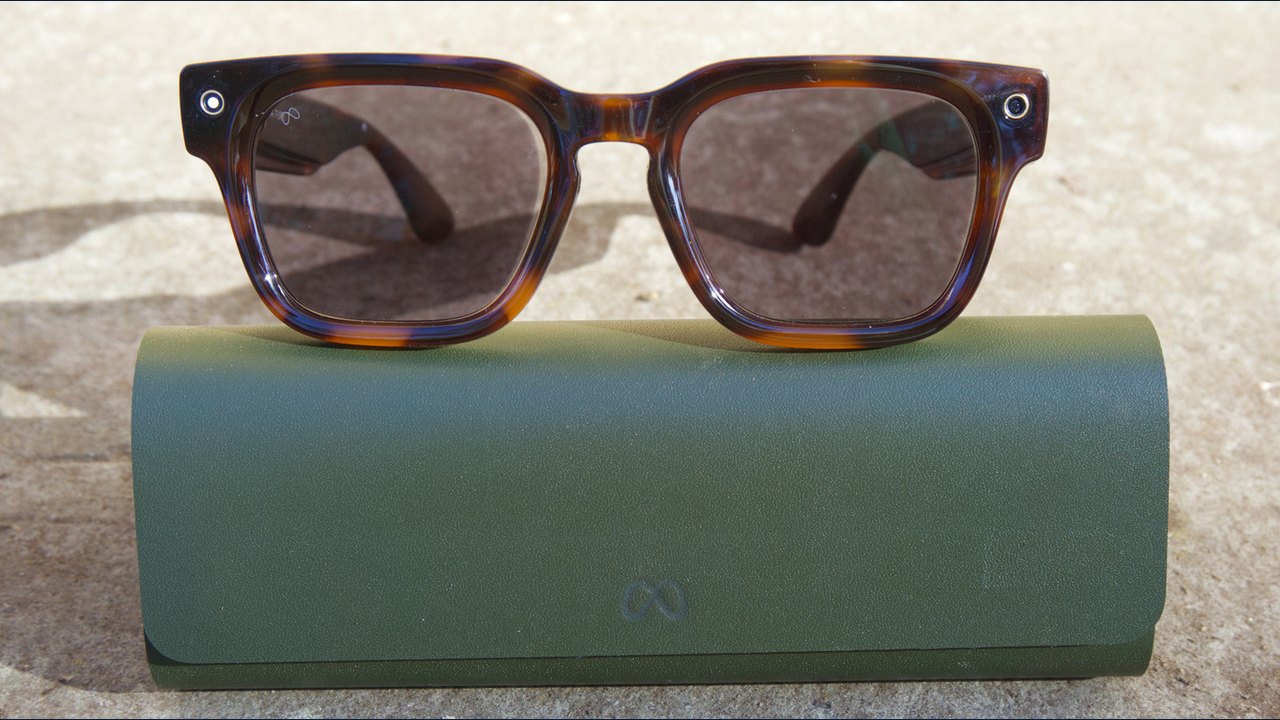
- Bystander Privacy Indicators: Utilizing visual indicators, such as LEDs that activate during photo or video capture, with multi-sensor designs that automatically disable recording if the LED is obstructed or the glasses are removed.
Practical Implications and Verification
While potential use cases range from real-time translation to enhanced enterprise productivity, the long-term success of the category depends on how responsibly manufacturers address surveillance and data commoditization concerns. Readers interested in verifying these developments can consult original industry market research reports from firms like Omdia and review manufacturer specifications regarding encryption and local storage policies before adopting new wearable technologies.
AI-assisted reporting; source claims are attributed and have not been independently verified.
More to read
 Senators Probe Meta’s AI Smart Glasses Over Serious Privacy Risks
 Solos AirGo V2 Smart Glasses Introduce Modular Design and Integrated AI
 AI Genealogy Tool Tackles Soviet-Era Family Histories with Evidence‑First Approach
 Google and XREAL Launch XREAL AURA: First Android XR Wired Glasses Powered by Gemini
Trending on GlobeWire Daily
Selected from recent coverage and related topics; not live search rankings.
 Madhya Pradesh Government Plans Revenue Generation from 117-Year-Old Edward Villa in Mumbai Through Leasing
 iPhone 18 Pro Named TechRadar Product of the Year 2026
 Google Project Suncatcher Runs Gemma 4 AI on Orbiting Satellite and Receives First Response
 Gender Disparities in Eye Care Access Across India Examined
 Satellite Images Show Cyclone Arnab Weakening Over India As New System Brews
 Expanding Green and Blue Spaces Crucial for India's Economic and Public Health, Reports Indicate