Android Distribution Figures Show Slow Adoption for Android 17 While Android 16 Claims Top Spot
· GlobeWire Daily Editorial Desk · Source: www.androidauthority.com
Original GlobeWire Daily editorial illustration — not an event photograph.
Recent Android distribution data indicates that Android 16 has become the most widely used version of Google's mobile operating system, capturing 25.4% of active devices as of October 2026. However, the figures also highlight ongoing fragmentation within the ecosystem, with older software continuing to maintain a significant market presence.
According to estimates shared by heise.de via Android Studio, adoption numbers reveal a complex picture of how users upgrade across the platform. While newer releases are gaining traction, a substantial portion of the active device base remains on older software iterations.
Current Adoption Breakdown
- Android 16: 25.4% of active devices, marking an increase from 7.5% in December 2025.
- Android 14: 15.3% of active devices.
- Android 15: 14.7% of active devices.
- Android 13: 11.8% of active devices.
- Android 11: 10.5% of active devices.
- Android 12: 9.6% of active devices.
- Android 17: 1% adoption, following its availability in June 2026.
Fragmentation and Ecosystem Challenges
The data shows that 56.4% of active devices currently run Android 14 or newer. Conversely, 43.6% of active devices continue to run Android 13 or older iterations. Notably, older systems like Android 8.1 still maintain a share larger than the newly released Android 17, which sits at just 1%.
Reports note a timing caveat when comparing Android 17 to its predecessor, as Android 17 has had less time to reach devices than Android 16 had during earlier snapshots. Nevertheless, the low initial figure underscores the persistent speed challenges associated with rolling out new software versions across the wider Android ecosystem.
Understanding the Data
These metrics do not originate from a real-time survey of every individual Android phone. Google no longer publishes a routinely updated public distribution chart, instead providing cumulative adoption figures through Android Studio. These estimates derive from devices that connected to the Google Play Store over a designated seven-day measurement period. Users interested in verifying their own software status can check their device settings under the "About Phone" or "System Update" sections.
AI-assisted reporting; source claims are attributed and have not been independently verified.
More to read
 ICC World Test Championship Standings Update: New Zealand Claims Top Spot as South Africa Jumps to Second
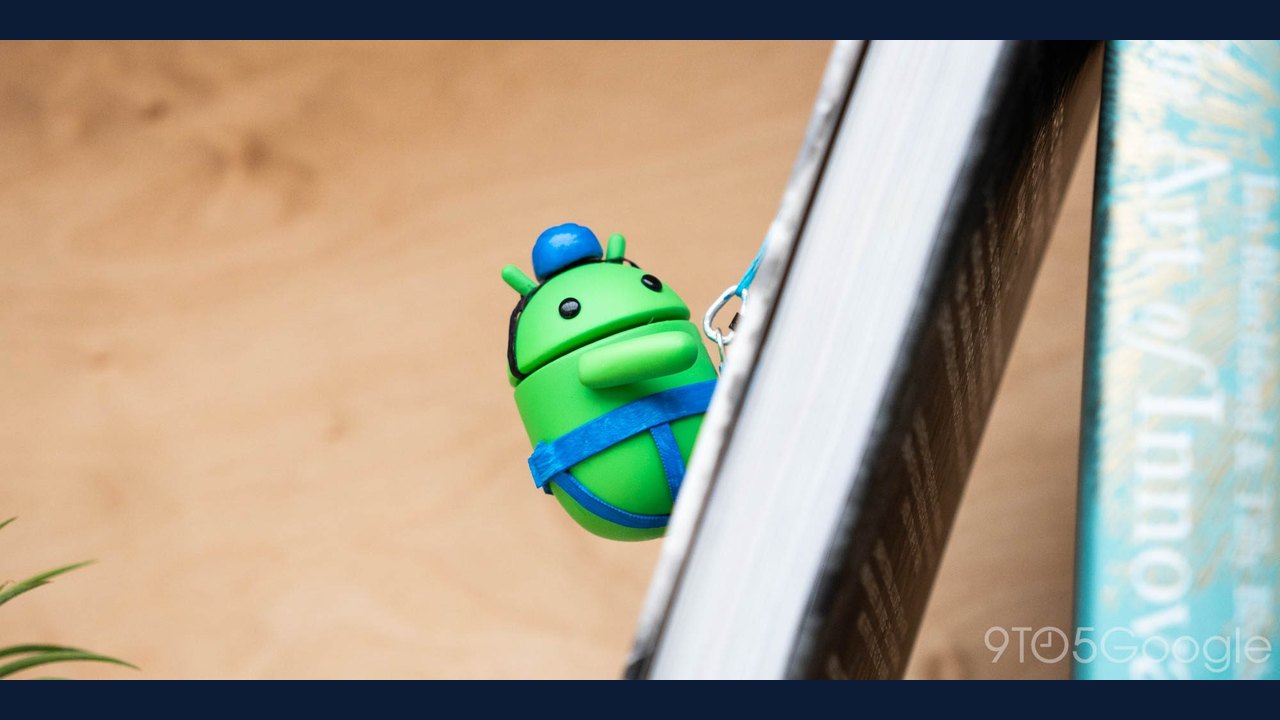 Android 17 Reaches 1% Adoption After Four Months as Android 16 Dominates
 Billy Searle Leads Leicester Tigers to Prem Top Spot with Bonus-Point Win Over Bristol
 Amazon Urges Engineering Leaders to Investigate Slow AI Adoption Among Teams
Trending on GlobeWire Daily
Selected from recent coverage and related topics; not live search rankings.
 Madhya Pradesh Government Plans Revenue Generation from 117-Year-Old Edward Villa in Mumbai Through Leasing
 iPhone 18 Pro Named TechRadar Product of the Year 2026
 Google Project Suncatcher Runs Gemma 4 AI on Orbiting Satellite and Receives First Response
 Gender Disparities in Eye Care Access Across India Examined
 Satellite Images Show Cyclone Arnab Weakening Over India As New System Brews
 Expanding Green and Blue Spaces Crucial for India's Economic and Public Health, Reports Indicate